

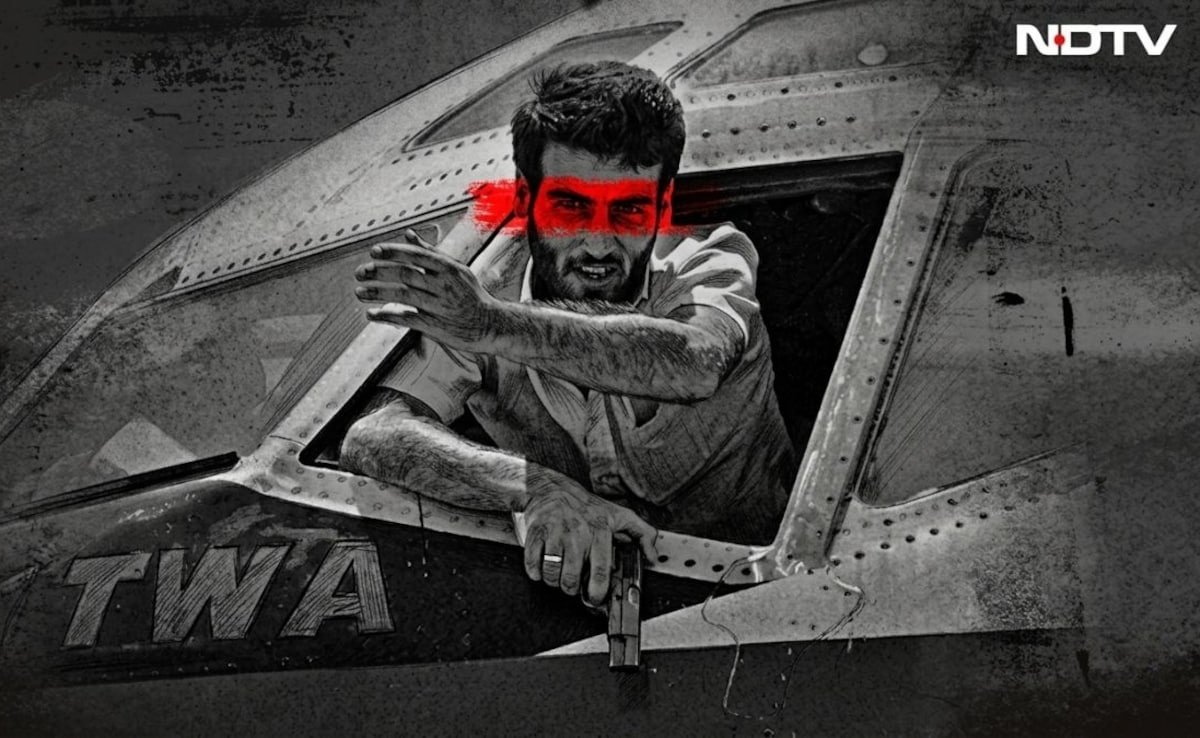
Before the world knew the name Osama bin Laden, intelligence agencies were already obsessed with a different shadow: Imad Mughniyeh. A man who lacked bin Laden’s theatrical flair but arguably possessed a more lethal mind for the “architecture of modern terror,” Mughniyeh was finally eliminated in a surgical strike that took two decades to authorize.
The story of his life and death provides the historical backdrop to today’s escalating tensions, as the 2026 Iran War continues to ripple through the Strait of Hormuz and Southern Lebanon.
A Legacy of “Firsts”
Mughniyeh didn’t just participate in war; he innovated it. Born in 1962 in Southern Lebanon, he rose through the ranks of Yasser Arafat’s Fatah before becoming a founding architect of Hezbollah.
-
The Suicide Pioneer: He is credited with the 1983 twin truck bombings in Beirut that killed 241 US Marines and 58 French paratroopers—an event that introduced the world to the devastating efficiency of suicide attacks.
-
The “Hostage Holder”: Throughout the 1980s, he orchestrated the kidnappings of Westerners, including CIA Station Chief William Buckley.
-
Global Reach: His operations weren’t limited to the Middle East; he was linked to the 1992 and 1994 bombings in Buenos Aires, Argentina, which killed over 100 people.
The Ones That Got Away
For 20 years, Mughniyeh was a “ghost” who outmaneuvered the world’s most elite tracking teams through plastic surgery, false identities, and political shield-play.
-
Paris, 1985: The CIA tracked him to a hotel on the Champs-Elysees. French authorities reportedly met with him but allowed him to leave in exchange for the release of a French hostage.
-
Jeddah, 1995: The US requested Saudi Arabia to detain his flight from Sudan. The Saudis refused landing rights to the FBI intercept team, and Mughniyeh vanished again.
-
The Arabian Gulf, 1996: Navy SEALs shadowed a vessel believed to be carrying him, but the mission was aborted at the last minute due to “unreliable intelligence.“
The Final Operation: “Clean” and Coordinated
By the mid-2000s, Mughniyeh had sought sanctuary in Damascus, Syria. The operation that finally ended his run was a masterpiece of restraint and high-tech surveillance.
-
The Moment: On February 12, 2008, as Mughniyeh approached his Mitsubishi Pajero in the Kafr Sousa neighborhood, a remote-controlled explosive concealed in the car’s spare tire detonated.
-
Zero Collateral: Despite his proximity to other high-value targets—including Qassem Soleimani, whom surveillance teams had spotted walking with him days earlier—the strike was delayed until he was alone to avoid political fallout and civilian casualties.
-
The Admission: While Israel denied involvement for years, former Prime Minister Ehud Olmert finally broke the silence in September 2024, confirming that the bumper of the car was a booby-trap designed to “trap him” the moment he passed.
2026: The Cycle Continues
Today, as a US naval blockade tightens around the Strait of Hormuz and Israel conducts Operation Eternal Darkness against Hezbollah’s Radwan Force, the shadow of Mughniyeh looms large. The tactics he pioneered—asymmetric naval warfare and decentralized militant cells—remain the primary tools used by his successors.
Though the “Ghost of Beirut” is gone, the architecture of conflict he built continues to define the war currently unfolding across the Middle East.
