

A bombshell report by the Financial Times has revealed that Iran’s Islamic Revolutionary Guard Corps (IRGC) successfully utilized a Chinese-built satellite to track and target U.S. military positions during the recent surge in Middle East hostilities.
The satellite, identified as TEE-01B, highlights a sophisticated and “obscure” model of military cooperation between Beijing and Tehran that managed to bypass traditional international scrutiny.
The “In-Orbit Delivery” Loophole
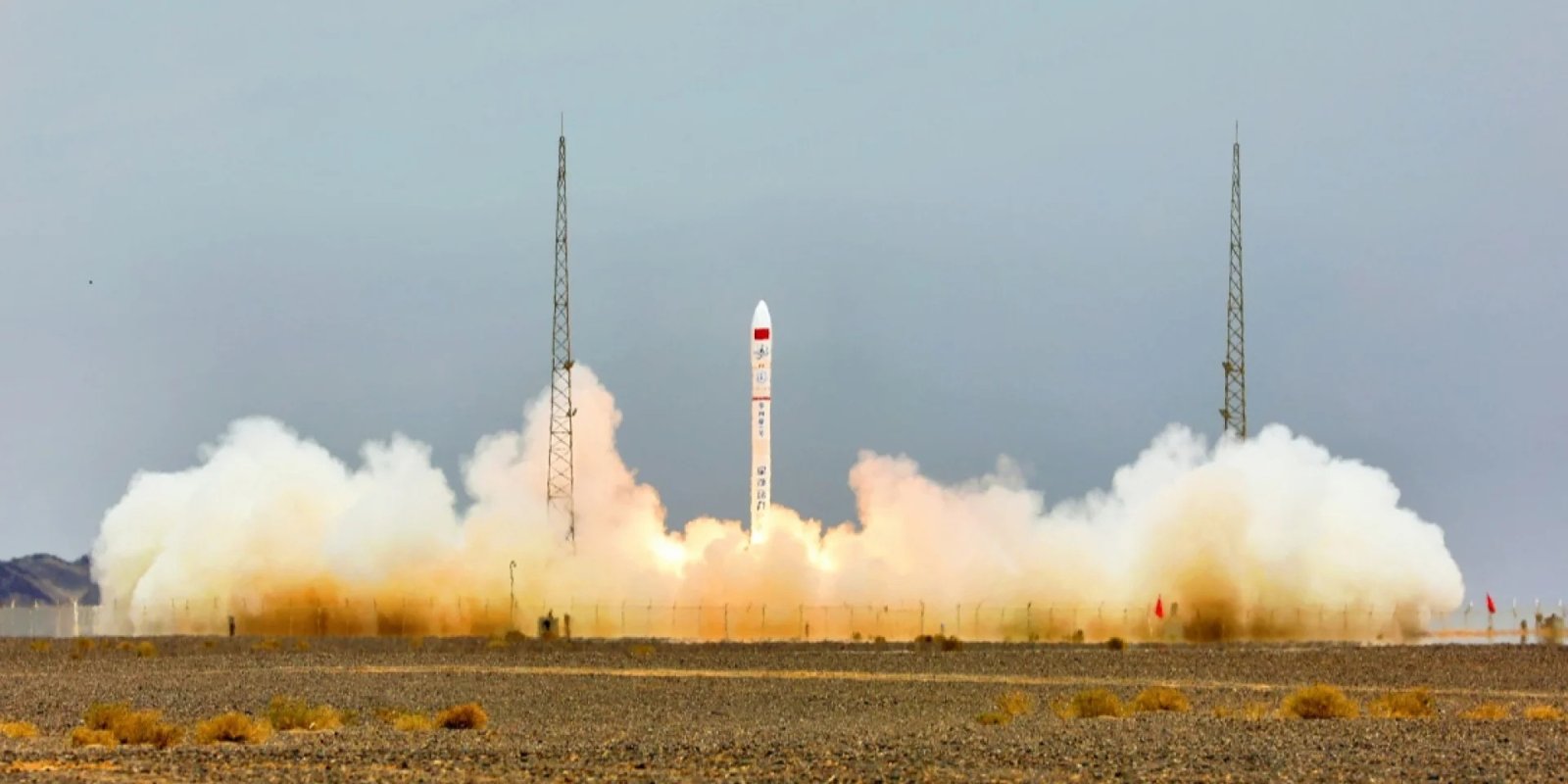
The TEE-01B was developed and launched by the Chinese firm Earth Eye Company. Rather than shipping hardware to Iran—which would trigger export alerts—the company used a method known as “in-orbit delivery.”
-
The Process: The spacecraft is launched from China under a commercial guise. Once it successfully reaches orbit and is fully operational, ownership is quietly transferred to the buyer—in this case, the IRGC Aerospace Force.
-
Ground Support: The IRGC was also granted access to a global network of commercial ground stations managed by Emposat, a Beijing-based provider with a footprint spanning Latin America and Asia.
Precision Targeting: US Bases Under Watch
The report links specific satellite surveillance windows directly to subsequent Iranian strikes and U.S. damage reports.
| Date (March 2026) | Target Monitored | Outcome/Report |
| March 13–15 | Prince Sultan Air Base (Saudi Arabia) | President Trump confirmed aircraft damage on March 14. |
| Mid-March | Muwaffaq Salti Air Base (Jordan) | Tracked during periods of reported IRGC activity. |
| Mid-March | Erbil Airport (Iraq) | IRGC claimed strikes in this area following surveillance. |
| Ongoing | U.S. 5th Fleet HQ (Bahrain) | Surveillance of naval movements in Manama. |
Other monitored facilities include:
-
Kuwait: Camp Buehring and Ali Al Salem Air Base.
-
Djibouti: Camp Lemonnier.
-
Oman: Duqm International Airport.
-
Critical Infrastructure: UAE’s Khor Fakkan port and Bahrain’s Alba aluminum plant.
The “Hidden Hand” of Beijing
Western intelligence officials argue that such a transaction could not have occurred without the explicit approval of the Chinese government.
“There is no way any Chinese company could launch a satellite without somebody in the administration giving it the go-ahead… China has been helping the Iranians with intelligence while trying to keep the hand of government hidden.” — Former Western Intelligence Official.
While China’s Foreign Ministry has repeatedly denied providing military support to Iran, the U.S. government has long maintained that Beijing provides “dual-use” components essential for Iran’s ballistic missile program.
A Multipolar Intel Shield
The TEE-01B is not the only “eye in the sky” aiding Tehran. Previous reports suggest that since the joint US-Israeli bombing campaign began on February 28, 2026, Iran has also gained access to Russian satellite intelligence to monitor Israeli and American high-value targets.
This burgeoning “intelligence alliance” between China, Russia, and Iran poses a significant challenge to U.S. air defense and regional stability, as commercial space technology is increasingly weaponized in real-time conflict.
