

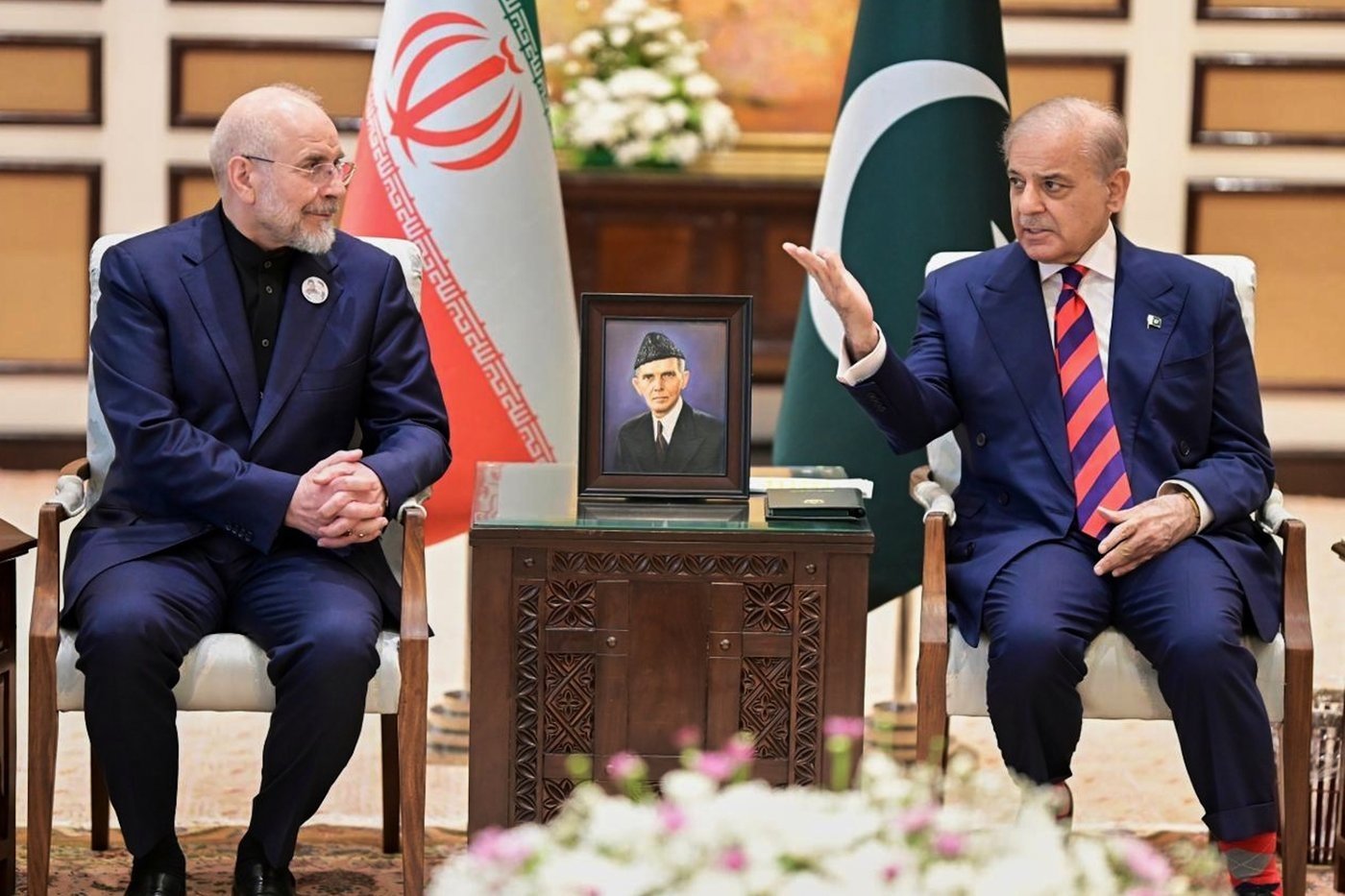
The United States has established two non-negotiable conditions for returning to the negotiating table with Iran in Islamabad, Pakistan. While President Donald Trump suggested talks could resume within 48 hours, Washington is demanding significant concessions and internal cohesion from Tehran before proceeding.
The announcement comes following a weekend of direct dialogue in Pakistan—the first senior engagement between the two nations in over a decade—which ended without a definitive breakthrough.
The Two Key Conditions
Washington’s position is centered on “reciprocity” and the legitimacy of the Iranian negotiating team.
-
Unrestricted Reopening of the Strait of Hormuz: The US is demanding the full and unrestricted movement of ships and tankers through the Strait of Hormuz. US officials have made it clear that if Iran blocks the passage of global tankers, the US will ensure Iranian ships and tankers face identical restrictions.
-
Full IRGC Authority for the Delegation: Washington has voiced frustration over internal rifts within the Iranian regime. For the next round of talks, the US requires that the Iranian delegation—reportedly led by Parliament Speaker Mohammad Bagher Ghalibaf—has explicit and full authority from the Islamic Revolutionary Guard Corps (IRGC) to finalize and sign an agreement.
Internal Rifts in Tehran
Reports indicate a deepening divide between Iran’s political leadership and its military wing:
-
The Conflict: President Masoud Pezeshkian and Foreign Minister Abbas Araghchi are reportedly pushing for a deal to “save Iran from total economic collapse.”
-
The Obstacle: Senior IRGC officials, including Ahmad Vahidi and Ali Abdollahi, allegedly blocked the previous political delegation from providing concrete answers to American proposals.
-
The Stake: Pezeshkian has reportedly called on Ghalibaf to take a firm stand against military hardliners to ensure the survival of the Iranian economy.
Timeline for Resumption
While no firm date has been set, diplomatic activity in Islamabad is intensifying:
-
The Venue: Islamabad remains the primary neutral ground, though other venues are reportedly under consideration.
-
The Schedule: Delegations from both sides have been told to keep Friday through Sunday (April 17–19) open for a potential second round.
-
The Goal: These talks are aimed at establishing a permanent resolution to the ongoing conflict in the Gulf, following the ceasefire announcement earlier this month.
“The right people, the appropriate people… want to work a deal.” — US President Donald Trump
Economic Impact: The Cost of Conflict
The urgency for talks is underscored by the staggering financial toll of the current maritime standoff:
-
Iran’s Daily Loss: Estimated at $435 million per day due to the disruption of trade and energy exports.
-
Global Security: Concerns are rising that the US may shift its naval focus toward the Strait of Malacca if the Hormuz crisis remains unresolved, potentially impacting global energy security and maritime trade routes in the East.
