

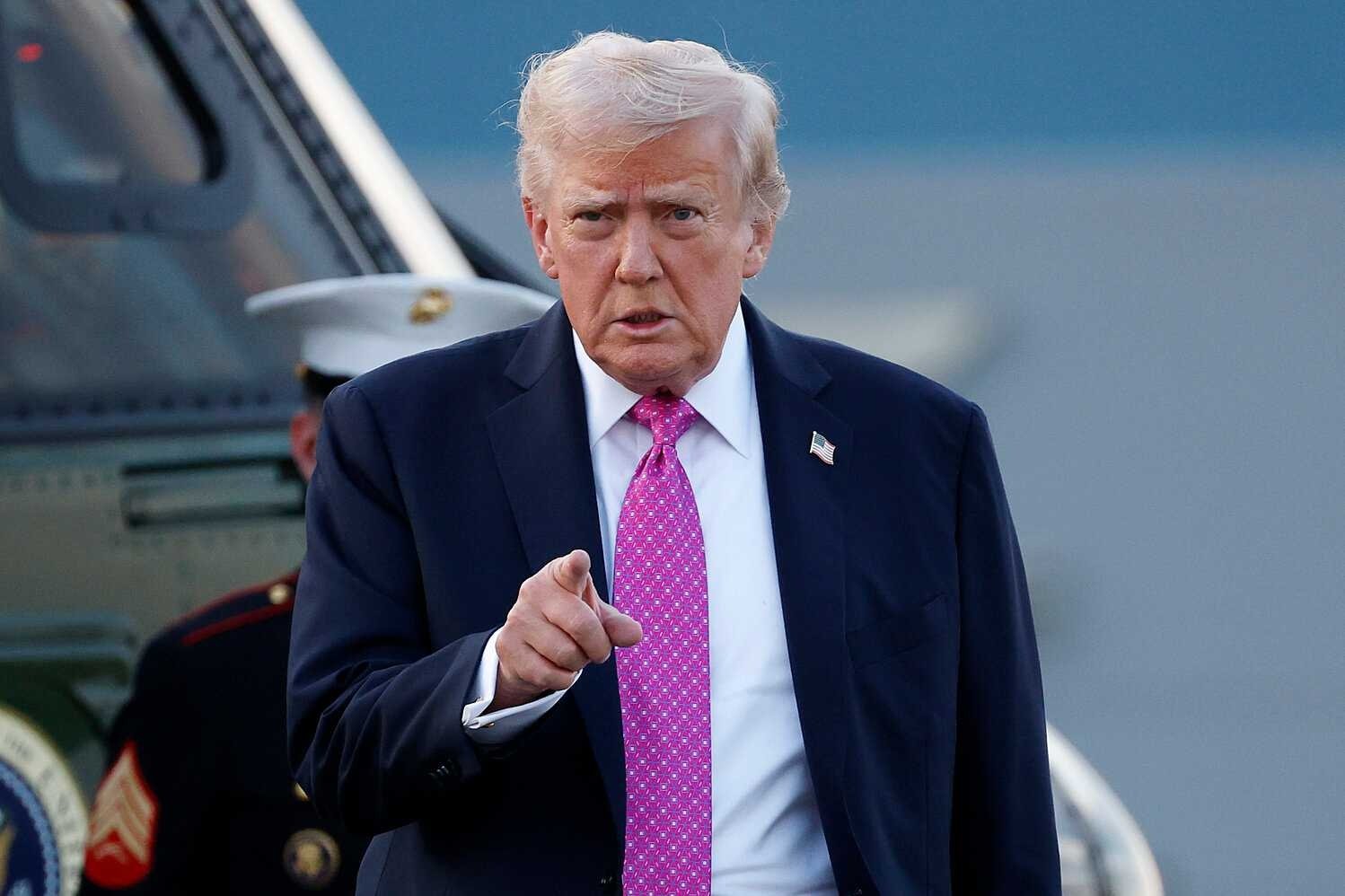
MARCH 24, 2026 — In a move that has sent shockwaves through both global markets and diplomatic circles, US President Donald Trump announced a five-day postponement of planned military strikes against Iran. The decision comes alongside a cryptic suggestion that the strategic Strait of Hormuz could eventually fall under the joint supervision of himself and Iran’s leadership.
The announcement marks a significant de-escalation in a conflict that has claimed over 2,000 lives since US-Israeli strikes on February 28 triggered a massive regional war and the death of former Supreme Leader Ayatollah Ali Khamenei.
A “Joint” Future for Global Energy?
Speaking from Florida on Monday, President Trump claimed the Strait of Hormuz—a vital artery for 20% of the world’s oil and LNG—would be “opened very soon” if ongoing negotiations prove successful. When pressed on who would oversee the waterway, which has been effectively shuttered since late February, Trump offered an unconventional vision:
“Maybe me. Maybe me. Me and the Ayatollah, whoever the Ayatollah, whoever the next Ayatollah…”
The President’s comments refer to the current power vacuum in Tehran, as the country navigates a transition toward a new Supreme Leader, widely believed to be Ayatollah Mojtaba Khamenei. Trump further suggested that a “very serious form of regime change” is already underway, noting that he is currently dealing with Iranian representatives he described as “very reasonable” and “solid.”
Market Relief and Diplomatic Confusion
The news of a five-day reprieve from strikes on Iranian energy infrastructure triggered an immediate reaction in global finance:
-
Oil: Brent crude futures plummeted as fears of an immediate supply total-blockage eased.
-
Stocks: Global markets rallied on the hope of a sustained ceasefire.
-
Currency: The US dollar weakened against major peers as haven-seeking behavior cooled.
However, the reality on the ground remains murky. While Trump spoke of “productive conversations,” Iran’s Fars news agency flatly denied any direct or indirect communication with Washington, highlighting a stark disconnect between the White House’s narrative and Tehran’s official stance.
The Cost of Conflict
The de-escalation follows a week of devastating precision strikes. On March 18, Israel targeted Iran’s South Pars gas field, prompting a retaliatory strike by Iran against Qatar’s Ras Laffan LNG plant. The escalating “tit-for-tat” on energy infrastructure has driven global inflation and upended shipping routes.
Trump’s Monday deadline for Iran to “fully open” the Strait has now been effectively pushed back. Whether this five-day window leads to a permanent “joint control” agreement or merely serves as a pause before further escalation remains the central question for a rattled global community.
