

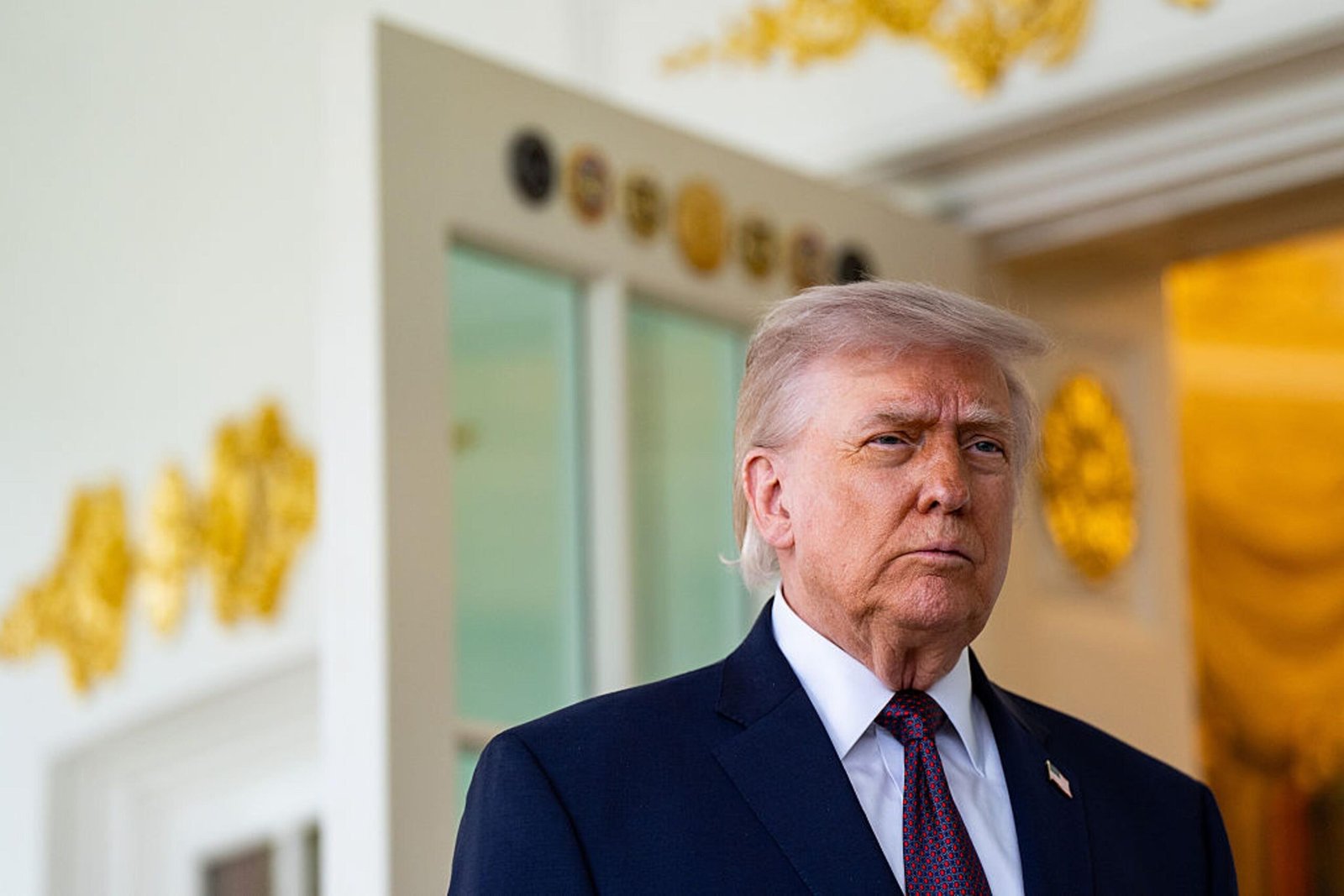
As of April 17, 2026, a new term has entered the lexicon of global brinkmanship: “Nuclear Dust.” This is President Donald Trump’s shorthand for Iran’s stockpile of highly enriched uranium, much of which is currently believed to be trapped beneath the rubble of facilities devastated by US-Israeli airstrikes in June 2025.
Trump has made it clear that a ceasefire in the current Middle East conflict is contingent on one thing: the total removal of this material from Iranian soil.
What is “Nuclear Dust”?
While the phrase sounds like something out of a sci-fi thriller, it refers to a very real and dangerous physical reality. In the wake of Operation Midnight Hammer (June 2025), which targeted sites like Natanz and Isfahan, the following materials were reported buried:
-
60% Highly Enriched Uranium (HEU): Approximately 440 kg of material that is a “short, technical step” from weapons-grade.
-
20% Fissile Material: Roughly 184 kg, which acts as a precursor for rapid enrichment to 90%.
-
Contaminated Rubble: Trump’s “dust” also refers to the particulate matter and enriched gas ($UF_6$) trapped in destroyed centrifuges and underground tunnels.
Why Trump Wants to “Dig It Up”
The Biden-era status quo focused on monitoring; the Trump 2026 strategy focuses on physical extraction. The administration’s logic is built on three pillars:
-
Eliminating the “Breakout” Capability: Even if Iran stops enriching today, the existing buried material represents a “bomb-in-a-box.” If excavated by Tehran, it could be processed into several nuclear warheads within weeks.
-
Verification through Removal: Trump has stated the US will work with Iran to “dig up and remove” the material. This essentially means US-led teams (or IAEA-supervised contractors) physically taking possession of the uranium to ensure it isn’t diverted to secret secondary sites.
-
The “Grand Bargain”: Led by Vice President JD Vance and facilitated by Pakistani negotiators, the US is offering a total lifting of the naval blockade in exchange for the “nuclear dust.“
The Reality Check: Power vs. Weapons
Tehran maintains its enrichment is for its 20-gigawatt nuclear power goal by 2041. However, the numbers tell a different story:
“Iran holds some of the world’s largest natural gas reserves… its electricity mix remains dominated by gas, while nuclear contributes only 1% from the single Bushehr reactor.”
— Umud Shokri, Energy Strategist
| Facility | Status (April 2026) | Significance |
| Bushehr | Operational (1,000 MW) | Iran’s only functioning power plant; fuel is supplied by Russia. |
| Natanz | Destroyed/Buried | Primary site of “Nuclear Dust” and 60% enrichment. |
| Isfahan | Heavily Damaged | Site of underground tunnels containing high-security caches. |
The Deadline
Trump’s insistence that “there will be no enrichment” puts Tehran at a historic crossroads. While the Iranian Foreign Ministry claims the right to enrich is “indisputable,” they have hinted that the level and storage of that enrichment are negotiable.
If the “Nuclear Dust” deal goes through, it would represent the most significant involuntary disarmament of a nuclear-threshold state in modern history. If it fails, the US has already threatened a “resumption of airstrikes” on Iranian infrastructure.
