

ISLAMABAD/WASHINGTON – As the conflict between the U.S., Israel, and Iran enters its 31st day, diplomatic and military tensions have reached a critical flashpoint. U.S. President Donald Trump has stirred international debate by suggesting the U.S. could seize Iranian oil assets, while regional powers scramble to organize peace talks in Pakistan.
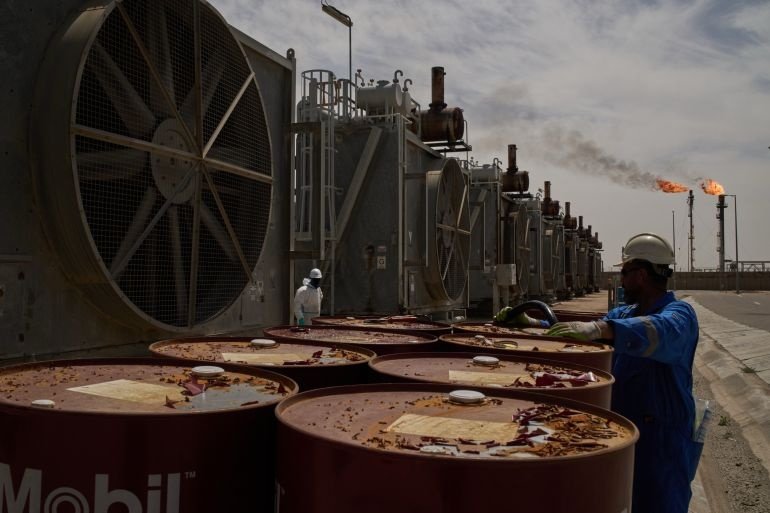
In a recent interview with the Financial Times, President Trump stated that his preferred strategy involves taking control of Iran’s oil. “To be honest with you, my favorite thing is to take the oil in Iran,” Trump said, specifically mentioning Kharg Island—the terminal through which the majority of Iran’s oil exports flow. He suggested such an operation would be “very easy,” though he also noted that a diplomatic deal remains a possibility in the near future.
Iran Denies Direct Negotiations
Responding to the escalating rhetoric, Iran’s Foreign Ministry spokesperson, Esmaeil Baqaei, clarified that Tehran has “not had any direct negotiations with the U.S. so far.” Baqaei dismissed recent proposals from the West as “unrealistic” and “unreasonable,” warning that linking the Middle East conflict to the war in Ukraine was a “catastrophic miscalculation.
5 Key Developments in the Conflict
-
Oil Prices Surge: Crude prices have jumped above $115 a barrel in Asian markets as supply concerns grow and the conflict widens.
-
Infrastructure Under Fire: U.S.-Israeli strikes recently targeted a petrochemical facility in Tabriz and caused power outages in parts of Tehran. Meanwhile, Iranian strikes hit an industrial zone in southern Israel.
-
Indian Worker Killed: Authorities in Kuwait reported that an Indian worker was killed during an Iranian strike on a local power and desalination plant.
-
Diplomatic Push in Pakistan: Foreign ministers from Pakistan, Egypt, Turkey, and Saudi Arabia met in Islamabad to discuss de-escalation. Pakistan has indicated it may host formal talks in the coming days.
-
Military Escalation: Iran has warned of wider retaliatory strikes, while its parliamentary speaker stated that forces are “waiting” for U.S. ground troops following the deployment of additional American forces to the region.
