

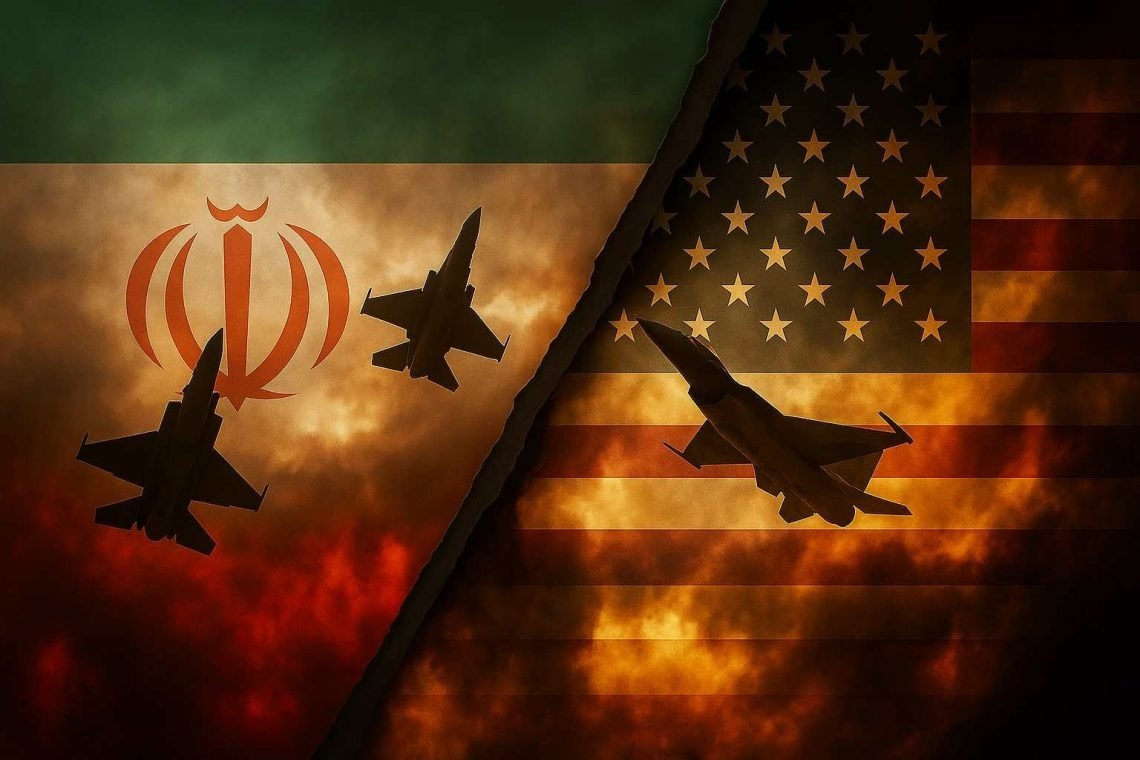
As the conflict between the US, Israel, and Iran escalates into a global energy and security crisis, Pakistan has emerged as a critical back-channel mediator. However, Islamabad’s ambitions to broker a peace deal are increasingly complicated by a significant “Saudi problem”—a mutual defense pact that could force Pakistan to pick a side.
The Mediator’s Gambit
Islamabad is currently leveraging its unique position as a state that maintains workable ties with both Washington and Tehran. Recent diplomatic efforts include:
-
Direct Presidential Channels: Army Chief Field Marshal Asim Munir and PM Shehbaz Sharif have held high-level talks with both President Trump and Iranian President Pezeshkian.
-
The 15-Point Peace Plan: Pakistan recently delivered a US-led peace proposal to Tehran, though it was initially rejected.
-
De-escalation Successes: Reports suggest Pakistan successfully lobbied Israel to remove certain Iranian officials from their “hit list” to keep diplomatic doors open.
Historical Context: If successful, this mediation would be Pakistan’s most significant diplomatic achievement since facilitating the 1972 opening between the US and China.
The Saudi Complication
The primary threat to Pakistan’s neutrality is its September 2026 Mutual Defence Agreement with Riyadh. As Iran retaliates against US and Israeli strikes by targeting Gulf nations, Pakistan finds itself in a corner:
-
The Pact: The agreement mandates that Pakistan and Saudi Arabia come to each other’s aid in the event of an attack.
-
The Trigger: If Iranian strikes on Saudi territory continue, Riyadh may invoke the pact, potentially pulling Pakistan’s military directly into the conflict.
-
The Warning: Foreign Minister Ishaq Dar has reportedly reminded Tehran of this defense obligation while simultaneously trying to negotiate a ceasefire to avoid being forced into the war.
Why Pakistan is Desperate for Peace
Beyond global prestige, Islamabad has urgent domestic reasons to end the hostilities:
-
Energy & Economy: The blockade of the Strait of Hormuz has caused severe fuel disruptions and price hikes within Pakistan.
-
Internal Stability: Home to the world’s second-largest Shi’ite population, Pakistan saw massive protests following the killing of Ayatollah Ali Khamenei on February 28.
-
Border Security: A prolonged war on its western border risks spillover into the already volatile Balochistan province.
Pakistan’s Unique Leverage
Unlike other regional mediators, Pakistan offers specific advantages to Iran:
-
No US Bases: Unlike Qatar or the UAE, Pakistan does not host US military installations.
-
Diplomatic Infrastructure: Pakistan’s embassy in Washington has served as Iran’s de facto diplomatic mission since 1979.
-
Military Might: As a nuclear-armed power, Pakistan carries a level of regional “weight” that smaller Gulf mediators lack.
As the conflict between the US, Israel, and Iran escalates into a global energy and security crisis, Pakistan has emerged as a critical back-channel mediator. However, Islamabad’s ambitions to broker a peace deal are increasingly complicated by a significant “Saudi problem”—a mutual defense pact that could force Pakistan to pick a side.
The Mediator’s Gambit
Islamabad is currently leveraging its unique position as a state that maintains workable ties with both Washington and Tehran. Recent diplomatic efforts include:
-
Direct Presidential Channels: Army Chief Field Marshal Asim Munir and PM Shehbaz Sharif have held high-level talks with both President Trump and Iranian President Pezeshkian.
-
The 15-Point Peace Plan: Pakistan recently delivered a US-led peace proposal to Tehran, though it was initially rejected.
-
De-escalation Successes: Reports suggest Pakistan successfully lobbied Israel to remove certain Iranian officials from their “hit list” to keep diplomatic doors open.
Historical Context: If successful, this mediation would be Pakistan’s most significant diplomatic achievement since facilitating the 1972 opening between the US and China.
The Saudi Complication
The primary threat to Pakistan’s neutrality is its September 2026 Mutual Defence Agreement with Riyadh. As Iran retaliates against US and Israeli strikes by targeting Gulf nations, Pakistan finds itself in a corner:
-
The Pact: The agreement mandates that Pakistan and Saudi Arabia come to each other’s aid in the event of an attack.
-
The Trigger: If Iranian strikes on Saudi territory continue, Riyadh may invoke the pact, potentially pulling Pakistan’s military directly into the conflict.
-
The Warning: Foreign Minister Ishaq Dar has reportedly reminded Tehran of this defense obligation while simultaneously trying to negotiate a ceasefire to avoid being forced into the war.
Why Pakistan is Desperate for Peace
Beyond global prestige, Islamabad has urgent domestic reasons to end the hostilities:
-
Energy & Economy: The blockade of the Strait of Hormuz has caused severe fuel disruptions and price hikes within Pakistan.
-
Internal Stability: Home to the world’s second-largest Shi’ite population, Pakistan saw massive protests following the killing of Ayatollah Ali Khamenei on February 28.
-
Border Security: A prolonged war on its western border risks spillover into the already volatile Balochistan province.
Pakistan’s Unique Leverage
Unlike other regional mediators, Pakistan offers specific advantages to Iran:
-
No US Bases: Unlike Qatar or the UAE, Pakistan does not host US military installations.
-
Diplomatic Infrastructure: Pakistan’s embassy in Washington has served as Iran’s de facto diplomatic mission since 1979.
-
Military Might: As a nuclear-armed power, Pakistan carries a level of regional “weight” that smaller Gulf mediators lack.
As the conflict between the US, Israel, and Iran escalates into a global energy and security crisis, Pakistan has emerged as a critical back-channel mediator. However, Islamabad’s ambitions to broker a peace deal are increasingly complicated by a significant “Saudi problem”—a mutual defense pact that could force Pakistan to pick a side.
The Mediator’s Gambit
Islamabad is currently leveraging its unique position as a state that maintains workable ties with both Washington and Tehran. Recent diplomatic efforts include:
-
Direct Presidential Channels: Army Chief Field Marshal Asim Munir and PM Shehbaz Sharif have held high-level talks with both President Trump and Iranian President Pezeshkian.
-
The 15-Point Peace Plan: Pakistan recently delivered a US-led peace proposal to Tehran, though it was initially rejected.
-
De-escalation Successes: Reports suggest Pakistan successfully lobbied Israel to remove certain Iranian officials from their “hit list” to keep diplomatic doors open.
Historical Context: If successful, this mediation would be Pakistan’s most significant diplomatic achievement since facilitating the 1972 opening between the US and China.
The Saudi Complication
The primary threat to Pakistan’s neutrality is its September 2026 Mutual Defence Agreement with Riyadh. As Iran retaliates against US and Israeli strikes by targeting Gulf nations, Pakistan finds itself in a corner:
-
The Pact: The agreement mandates that Pakistan and Saudi Arabia come to each other’s aid in the event of an attack.
-
The Trigger: If Iranian strikes on Saudi territory continue, Riyadh may invoke the pact, potentially pulling Pakistan’s military directly into the conflict.
-
The Warning: Foreign Minister Ishaq Dar has reportedly reminded Tehran of this defense obligation while simultaneously trying to negotiate a ceasefire to avoid being forced into the war.
Why Pakistan is Desperate for Peace
Beyond global prestige, Islamabad has urgent domestic reasons to end the hostilities:
-
Energy & Economy: The blockade of the Strait of Hormuz has caused severe fuel disruptions and price hikes within Pakistan.
-
Internal Stability: Home to the world’s second-largest Shi’ite population, Pakistan saw massive protests following the killing of Ayatollah Ali Khamenei on February 28.
-
Border Security: A prolonged war on its western border risks spillover into the already volatile Balochistan province.
Pakistan’s Unique Leverage
Unlike other regional mediators, Pakistan offers specific advantages to Iran:
-
No US Bases: Unlike Qatar or the UAE, Pakistan does not host US military installations.
-
Diplomatic Infrastructure: Pakistan’s embassy in Washington has served as Iran’s de facto diplomatic mission since 1979.
-
Military Might: As a nuclear-armed power, Pakistan carries a level of regional “weight” that smaller Gulf mediators lack.
As the conflict between the US, Israel, and Iran escalates into a global energy and security crisis, Pakistan has emerged as a critical back-channel mediator. However, Islamabad’s ambitions to broker a peace deal are increasingly complicated by a significant “Saudi problem”—a mutual defense pact that could force Pakistan to pick a side.
The Mediator’s Gambit
Islamabad is currently leveraging its unique position as a state that maintains workable ties with both Washington and Tehran. Recent diplomatic efforts include:
-
Direct Presidential Channels: Army Chief Field Marshal Asim Munir and PM Shehbaz Sharif have held high-level talks with both President Trump and Iranian President Pezeshkian.
-
The 15-Point Peace Plan: Pakistan recently delivered a US-led peace proposal to Tehran, though it was initially rejected.
-
De-escalation Successes: Reports suggest Pakistan successfully lobbied Israel to remove certain Iranian officials from their “hit list” to keep diplomatic doors open.
Historical Context: If successful, this mediation would be Pakistan’s most significant diplomatic achievement since facilitating the 1972 opening between the US and China.
The Saudi Complication
The primary threat to Pakistan’s neutrality is its September 2026 Mutual Defence Agreement with Riyadh. As Iran retaliates against US and Israeli strikes by targeting Gulf nations, Pakistan finds itself in a corner:
-
The Pact: The agreement mandates that Pakistan and Saudi Arabia come to each other’s aid in the event of an attack.
-
The Trigger: If Iranian strikes on Saudi territory continue, Riyadh may invoke the pact, potentially pulling Pakistan’s military directly into the conflict.
-
The Warning: Foreign Minister Ishaq Dar has reportedly reminded Tehran of this defense obligation while simultaneously trying to negotiate a ceasefire to avoid being forced into the war.
Why Pakistan is Desperate for Peace
Beyond global prestige, Islamabad has urgent domestic reasons to end the hostilities:
-
Energy & Economy: The blockade of the Strait of Hormuz has caused severe fuel disruptions and price hikes within Pakistan.
-
Internal Stability: Home to the world’s second-largest Shi’ite population, Pakistan saw massive protests following the killing of Ayatollah Ali Khamenei on February 28.
-
Border Security: A prolonged war on its western border risks spillover into the already volatile Balochistan province.
Pakistan’s Unique Leverage
Unlike other regional mediators, Pakistan offers specific advantages to Iran:
-
No US Bases: Unlike Qatar or the UAE, Pakistan does not host US military installations.
-
Diplomatic Infrastructure: Pakistan’s embassy in Washington has served as Iran’s de facto diplomatic mission since 1979.
-
Military Might: As a nuclear-armed power, Pakistan carries a level of regional “weight” that smaller Gulf mediators lack.
