

In this analysis, Sutanu Guru and Yashwant Deshmukh of CVoter examine the complex political landscape of the 2026 West Bengal Assembly Elections. Eschewing specific seat projections due to the recent volatility in polling accuracy, the authors focus on the demographic trends that could decide the outcome.
The Duel of Narratives
The election is defined by two competing perspectives:
-
Anti-Incumbency: There is undeniable anger directed toward Trinamool Congress (TMC) lower-level leadership, suggesting a potential 5% vote swing that could favor the BJP.
-
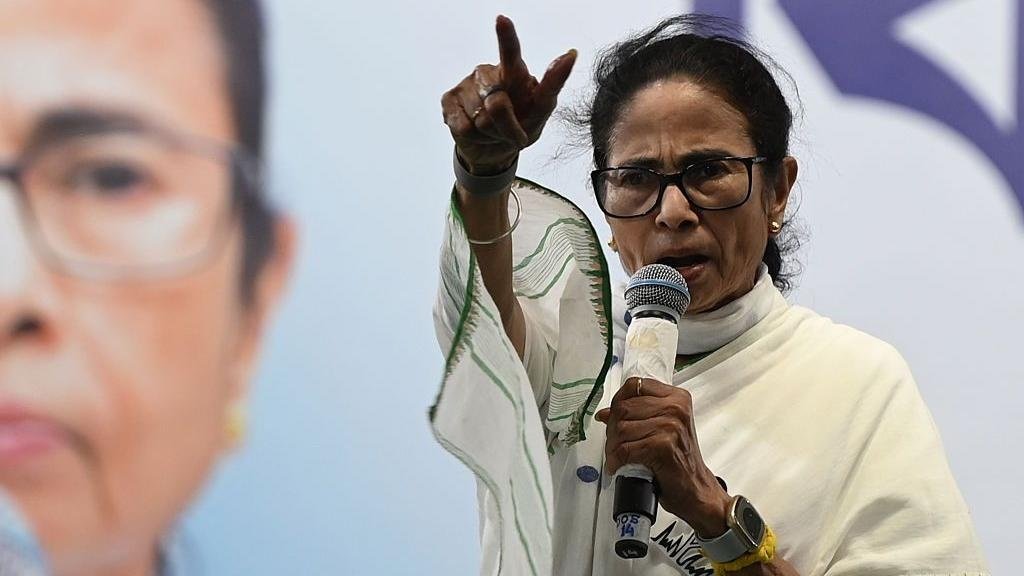
The “Mamata” Factor: Despite local resentment, Mamata Banerjee remains the state’s most popular leader. Her extensive welfare schemes and doles, specifically those targeting women, act as a significant buffer against incumbency fatigue.
The Power of the Female Vote
The authors point to a recurring trend in recent state elections (Haryana, Jharkhand, Maharashtra, Bihar) where female voters have largely favored incumbents who offer credible, “bird-in-hand” welfare benefits over more extravagant opposition promises.
-
Turnout Trends: In the current Bengal elections, female voter turnout has consistently stayed roughly 2% higher than male turnout, mirroring a national trend where women are becoming the ultimate “kingmakers.”
-
The Known vs. The Unknown: The analysis suggests that when faced with a choice, female voters often prefer the “known devil”—the incumbent who has already delivered benefits—over a tectonic shift to a new party.
The South Bengal Citadel
The BJP has historically struggled to breach the “Mamata citadel” in South Bengal, particularly the five Presidency districts (Kolkata, Howrah, North/South 24 Parganas, and Nadia), which account for 108 assembly seats.
-
2021 Context: The TMC won a staggering 97 of these 108 seats in the last election.
-
The 4% Edge: CVoter tracker surveys through early April 2026 indicate that while North Bengal is a toss-up, the TMC maintains a near 4% lead in female vote share in South Bengal.
Conclusion
The authors conclude that in a deeply polarized bilateral contest, even a 4% advantage among women in South Bengal could be the decisive factor. If Mamata Banerjee secures a fourth term, it will likely be because the female electorate—particularly in the southern districts—chose to stand by her despite widespread local anti-incumbency.
