

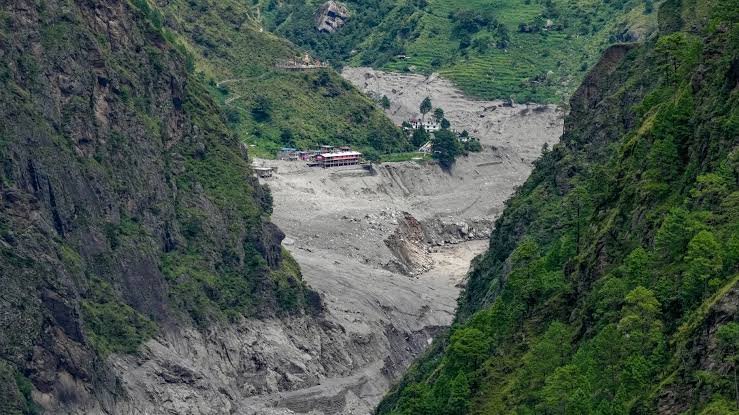
In the wake of catastrophic flash floods triggered by a high-altitude glacial collapse along the Tibet-Nepal border, Nepal is aggressively shifting its diplomatic framework from requesting “aid” to demanding “climate justice and compensation” from wealthy, industrialized nations.
The disaster along the Bhotkoshi River has left a trail of immense destruction across at least three districts, with emergency teams recovering over 1,100 bodies while nearly 4,500 people remain missing following a massive wave of freezing water, debris, and rocks.
Shifting From Aid to Accountability In a stark interview with Kantipur TV, Nepal Foreign Minister Shisir Khanal asserted that post-disaster assistance must be treated as an “obligation of large nations” and a matter of “moral liability.” Highlighting that Nepal’s greenhouse gas emissions are virtually negligible, Khanal emphasized that vulnerable mountain nations are bearing the ultimate price of a global crisis they did not create.
Key elements of Nepal’s diplomatic and financial push include:
-
Formal Claims Filed: Nepal’s Ministry of Finance has officially dispatched a climate compensation claim letter to international partners and formally approached the board of the Fund for Responding to Loss and Damage (established at COP27).
-
Cross-Border Stakes: Officials have warned that the rapid melting of Himalayan glaciers threatens the water security of over two billion people across South Asia who depend on rivers like the Ganges and Trishuli, framing the crisis as a battle for civilizational survival.
-
International Forums: Kathmandu intends to raise the issue with absolute firmness at upcoming global platforms, demanding that major historical emitters take financial accountability for climate-induced losses.
Meanwhile, India has broadly supported climate equity principles, emphasizing that historical emissions, national capacities, and development needs should dictate global climate obligations while maintaining that Western industrialized nations must provide necessary financial resources to vulnerable developing states.
