

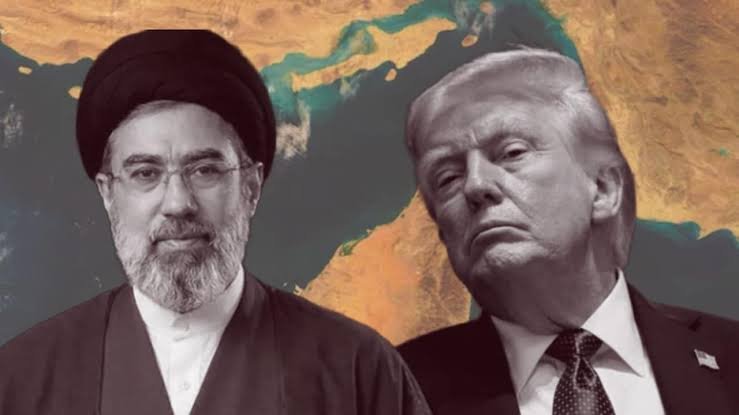
Tensions in the ongoing US-Iran conflict have reached a critical juncture at the United Nations General Assembly in New York, where both nations have signaled a cautious openness to diplomacy—even as military hostilities and restrictions persist.
According to reports citing a senior Iranian official, Tehran is prepared to fully reopen the strategic Strait of Hormuz within seven days, provided the United States eases its military pressure and lifts the ongoing blockade on Iranian ports. The official emphasized that the Iranian delegation currently in New York possesses full authority to revive diplomatic efforts, calling the UN General Assembly a “golden opportunity” for Washington to shift away from confrontation.
Reflecting a similar, albeit guarded, sentiment, US Secretary of State Marco Rubio told NBC that the United States is open to speaking with Iranian officials at the UN. While noting that no formal meetings have been scheduled, Rubio stated that Washington is receptive to dialogue “if it has the prospects of leading to something positive.”
Despite this potential opening for talks, significant hurdles remain. The diplomatic thaw faces friction over travel and security restrictions: the US government has restricted the movement of Iranian President Masoud Pezeshkian’s delegation exclusively between their Manhattan hotel and UN headquarters, and reportedly denied visas to several members of the president’s media team—a move state-run agency IRNA labeled an “unprecedented hostile action.” Furthermore, a senior Iranian official confirmed that President Pezeshkian will not meet with US President Donald Trump during the summit. Concurrently, the US State Department is providing security details for Iranian Foreign Minister Abbas Araghchi during his stay.
The diplomatic posturing unfolds against the backdrop of heightened military friction. The US military resumed its enforcement of a blockade against Iranian ports and coastal areas on July 14, and recent intelligence indicated Washington was planning renewed strikes with regional backing. In response, Iran’s military command issued a stark warning on Sunday, vowing unlimited retaliation if the attacks proceed.
Nearly seven months into the ongoing US-Iran conflict, the Strait of Hormuz remains a critical global flashpoint. With international energy markets heavily strained by restrictions on the vital trade route, the outcome of potential diplomatic overtures in New York remains uncertain as both nations navigate a precarious balance between confrontation and talks.
