

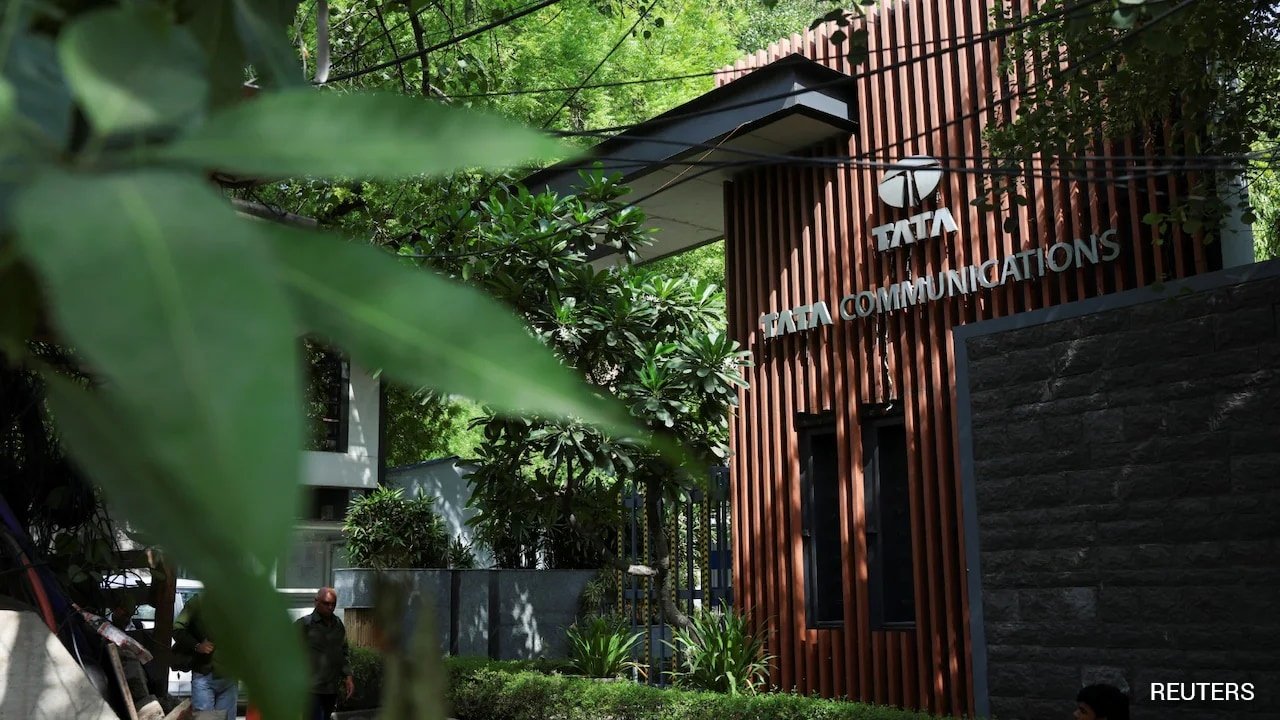
A major fire at a prominent New Delhi data centre has sent shockwaves through the enterprise tech sector, causing persistent network issues for Google Cloud in India and leaving clients facing the potential permanent loss of decades of critical operational data.
The blaze occurred at a facility operated by STT Global Data Centres India—a massive joint venture owned by Singapore’s ST Telemedia and Tata Communications. The infrastructure damage is described as “extensive,” heavily complicating recovery timelines.
Key Impacts & Affected Entities
While STT India operates 30 data centres across 10 Indian cities, the fallout from this specific Delhi hub is widespread:
-
Google Cloud Operations: Google reported an emergency power shutdown of networking equipment following the incident. In its late-June updates, the tech giant warned enterprise clients of ongoing latency issues across the region with no immediate workaround.
-
Matrix Cellular: The international SIM card provider reports it is struggling to recover more than 20 years of historic customer, billing, and vendor data. The company has noted a sharp decline in sales due to the prolonged outage.
-
R2 Net (Internet Service Provider): Facing estimated losses of $2 million, the ISP noted that the fire wiped out vital tracking data utilized by law enforcement agencies to monitor illegal internet activity.
The Recovery Bottleneck: What Went Wrong?
Preliminary assessments by the Delhi fire authorities indicate the blaze broke out within the facility’s lithium battery units, cutting through heavily fortified data halls.
The Legal & Operational Standoff: Tata Communications’ unit, Novamesh, has formally cited a force majeure (unforeseeable circumstances/act of God) clause to clients, indicating that severity of the physical layout damage makes data restoration highly challenging. While Tata claims services have been restored for clients who actively subscribed to secondary off-site recovery and backup systems, un-mirrored data remains trapped or destroyed inside the burned infrastructure. An independent technical root-cause analysis is expected to take up to 7 weeks.
