

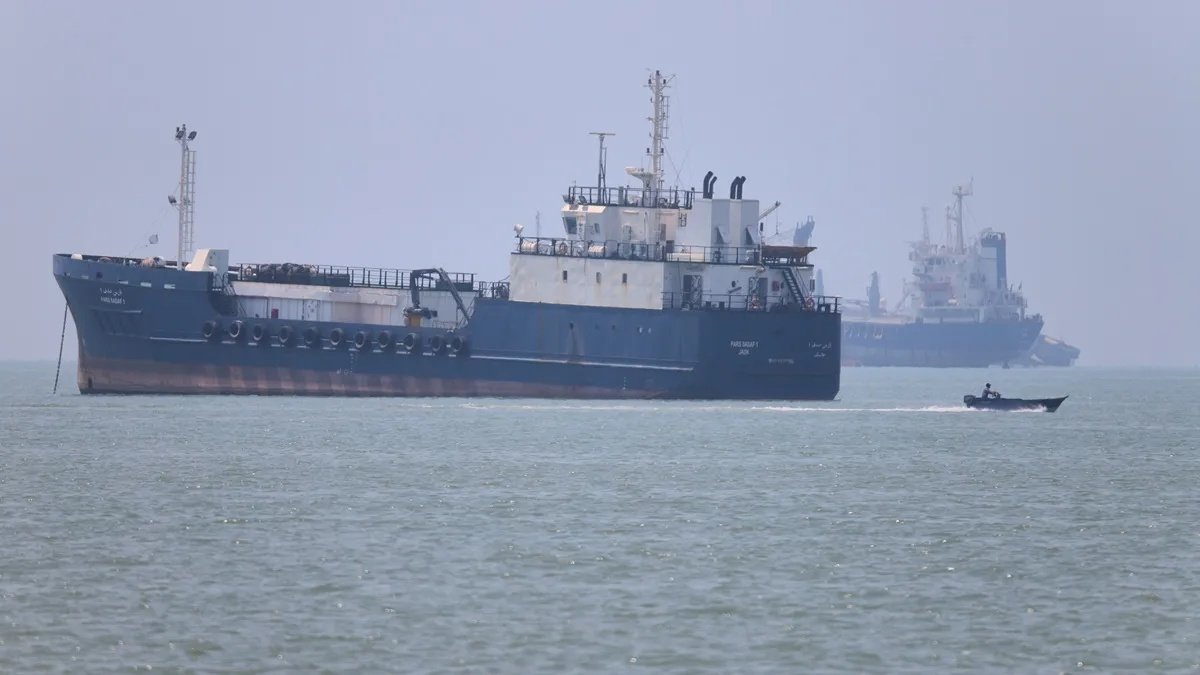
The tragic news of the death of an Indian seafarer on the MT Al Bahiyah and the injuries to nine other Indian crew members on the MT Mombasa underlines the exact reason why the UAE’s proposed bypass port in Fujairah is transitioning from a forward-looking plan to an immediate, non-negotiable strategic necessity.
The strike highlights the real-world vulnerability of the old logistical framework and accelerates the shift in three major ways:
1. From “Operational Alternative” to “Life-and-Death Urgency”
Up until now, the discussions around DP World’s Fujairah port expansion were framed as high-level financial risk management. This attack, however, makes it clear that transiting the southern passage of the Strait of Hormuz is no longer safe for civilian crews.
With 30 Indian seafarers trapped aboard these two UAE-flagged vessels during the cruise missile strikes, global shipping lines will face soaring insurance premiums and outright crew refusals to enter the Gulf. Shifting the primary point of offloading to the open waters of Fujairah is now a critical step for preserving human life, not just protecting cargo.
2. Massive Geopolitical Complications for Partners Like India
For the UAE, the Strait of Hormuz is a localized security challenge; for India, it is a global labor and supply chain nightmare.
-
The Seafarer Dilemma: India provides a massive percentage of the global merchant navy workforce. When geopolitical crossfire in the Gulf kills Indian nationals, it forces New Delhi to intervene diplomatically—as seen by India summoning Iran’s Deputy Chief of Mission, Mohammad Javad Hosseini, to register a “strong protest”.
-
The Logistics Solution: By routing UAE-bound cargo to Fujairah, the UAE offers its international trading partners, including India, a way to keep trade flowing without dragging their citizens and merchant fleets directly through the Iranian-controlled bottleneck.
3. Acceleration of the 18-Month Timeline
When DP World announced talks for the Fujairah terminal, the projected 18-month construction timeline seemed highly ambitious. However, the rapidly deteriorating situation on July 14, 2026—marked by retaliatory US strikes, the reinstatement of a US naval blockade, and direct Iranian cruise missile strikes on commercial tankers—leaves no room for bureaucratic delay.
We can expect the UAE to fast-track the Fujairah project, treating it as critical national defense infrastructure rather than a standard commercial port venture.
