

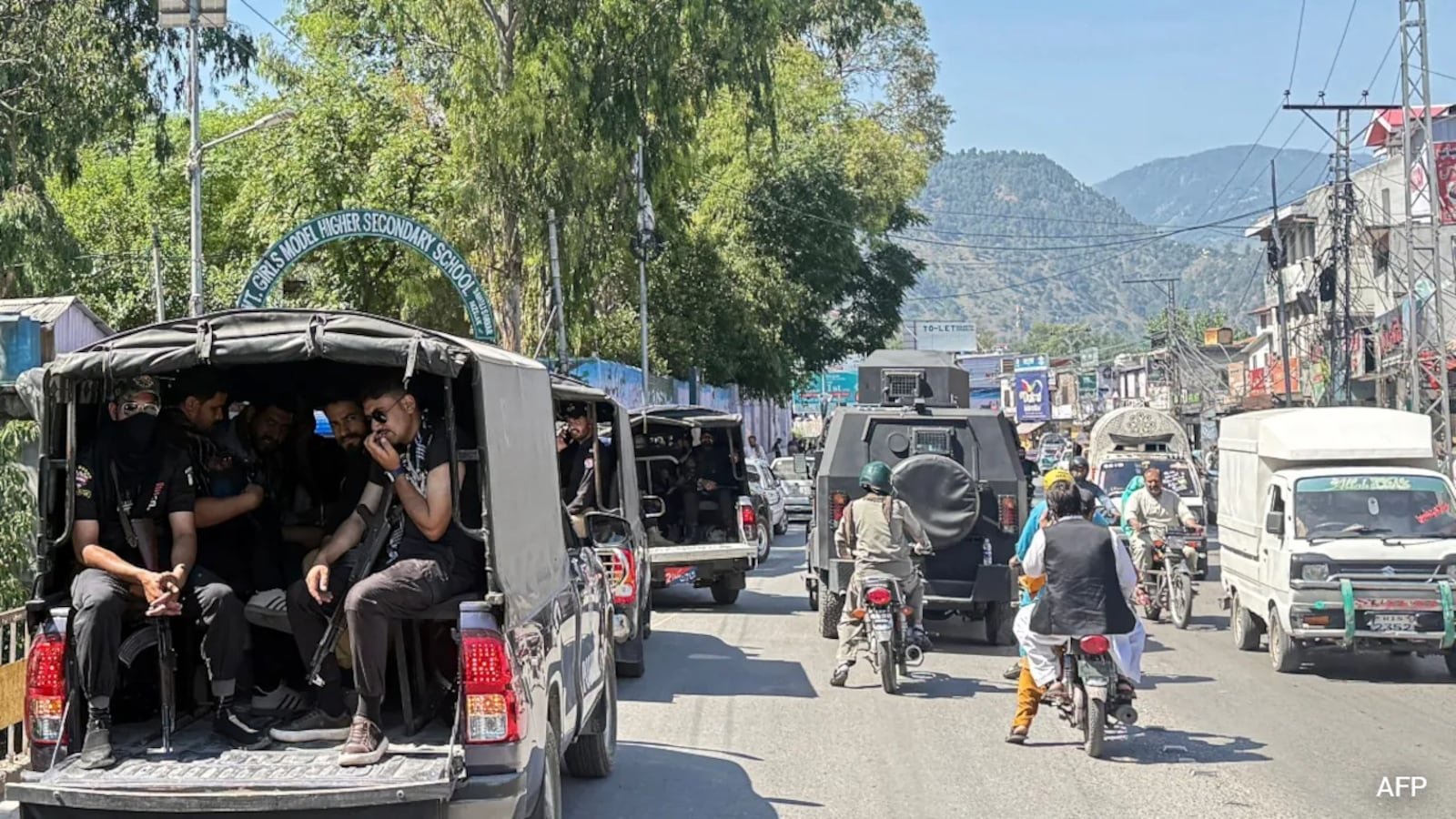
The ongoing unrest in Pakistan-occupied Kashmir (PoK) has reached a critical flashpoint. Entering its 14th consecutive day, the anti-occupation movement has taken a unprecedented turn as school-aged children and women step into the vanguard of the demonstrations. Protesters are demanding outright independence and an end to what they call a repressive military occupation by Pakistan.
The New Face of Resistance: Youth and Women
The epicenter of the movement remains Rawalakot’s Eidgah Ground, where a massive sit-in of over 70,000 people has held strong for 11 days. However, the demographic driving the narrative has visibly shifted:
-
Schoolchildren Reclaiming the Streets: Children as young as 10 to 12 years old have become the face of the protests. In Rawalakot and Tarar Khel (Sudhnoti district), students blocked public squares holding signs reading “Pakistani Forces Out” and “Food is Blocked, Internet is Turned Off.”
-
Women-Led Marches: In Mandhole, hundreds of women organized independent rallies, marching through towns to denounce the Pakistani military apparatus and demand fundamental human rights.
A Brewing Humanitarian Crisis
As the standoff intensifies, Pakistani authorities have clamped down on basic amenities, triggering severe resource shortages across the region.
| Crisis Metric | Current Status & Impact |
| Internet Blackout | Suspended since June 5, completely choking communication and independent media coverage. |
| Food Blockade | Supply trucks stopped at regional entry points since June 14, triggering widespread acute shortages. |
| Casualties to Date | 58 deaths recorded in violent clashes between citizens and Pakistani Rangers/security forces. |
The June 23 Ultimatum: March on Muzaffarabad
The protests are being spearheaded by the Awami Action Committee (AAC), which has presented a charter of 38 distinct demands to the Pakistani government.
With the deadline set for June 23, organizers have made it clear that they will not back down. If Islamabad fails to comply, the AAC plans to mobilize a march of over 100,000 people from Rawalakot to the administrative capital of Muzaffarabad to seize popular control of the region’s political institutions.
“If the Pakistan Army continues its oppression, the entire military apparatus will be pushed out of PoK. If Kashmiris cannot live in PoK, then the Pakistan Army will not be able to live here either.”
— Sardar Aman Khan, Senior AAC Organizer
Comparing the current momentum to historic mass uprisings in Nepal and Bangladesh, leadership maintains that the room for political maneuvering by Pakistani authorities has officially run out.
