

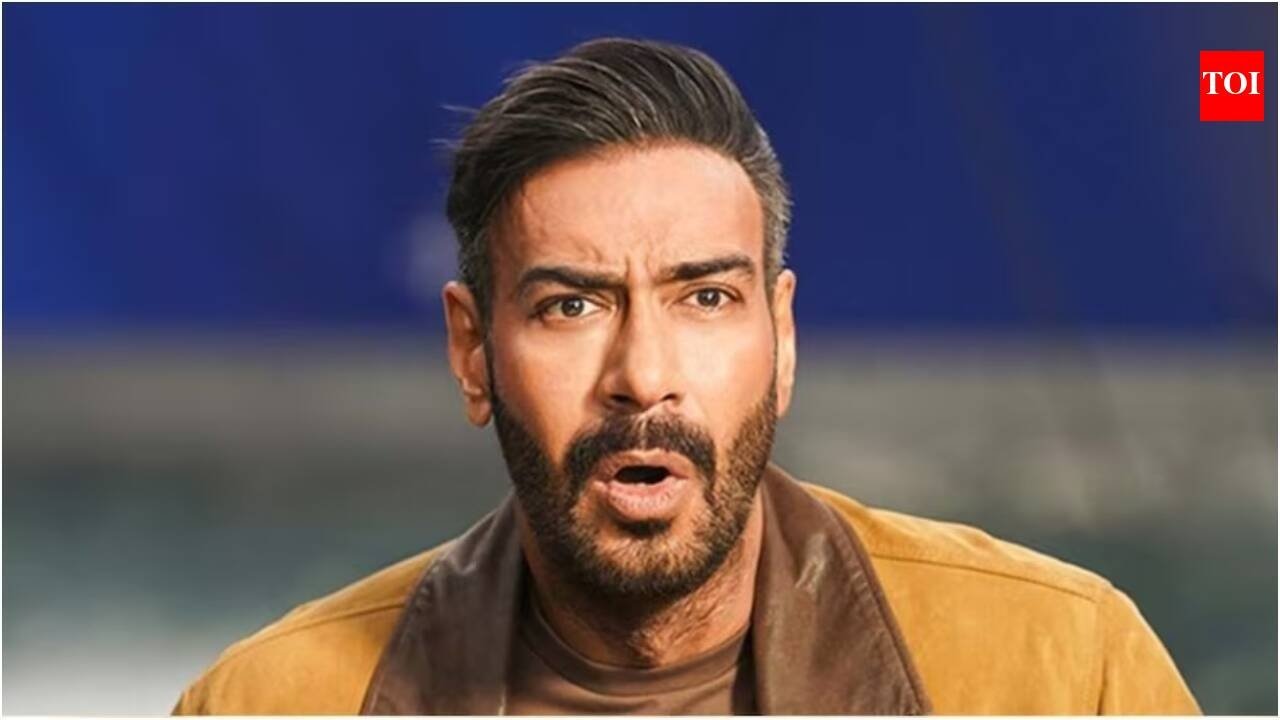
The social media storm surrounding Dhamaal 4‘s infamous whale-riding scene highlights a growing tension in Indian cinema: the balance between creative slapstick liberty and acceptable visual effects standards.
While comedies historically rely on suspension of disbelief, the severe backlash points to a few critical factors that explain why the scene triggered such an intense reaction.
Why the Trolling Escalated
-
The “Cardboard” Visual Execution: In the clip, Ajay Devgn’s head appears awkwardly layered on top of the water surface. Rather than looking like a character physically interacting with water and marine life, the visual lacks realistic lighting, shadowing, or interactive water splashing, making his head look like a static cutout.
-
The Actor’s VFX Pedigree: A major point of criticism on X (formerly Twitter) was the irony of the situation. Ajay Devgn owns NY VFXWAALA, one of the prominent visual effects studios in the Indian film industry. Fans and critics alike expected a higher standard of post-production quality from a film produced by and starring someone who actively runs a VFX business.
-
The Out-of-Place Soundtrack: The choice to use the historic Italian anti-fascist folk song Bella Ciao—widely popularized globally by Money Heist—as the background track for a goofy scene where a man rides two whales felt incredibly jarring to audiences.
The Slapstick Counter-Argument
Supporters of the franchise and the film’s creative team have offered a different perspective, arguing that hyper-realism is not the goal of the Dhamaal series.
From its inception in 2007, the franchise has thrived on cartoonish, logic-defying situations, over-the-top character reactions, and classic slapstick comedy. For these viewers, analyzing the physics of riding a whale in a Dhamaal film misses the point of pure escapist entertainment.
The box office has largely supported this view, with the film pulling in steady theatrical numbers despite the online critique.
