

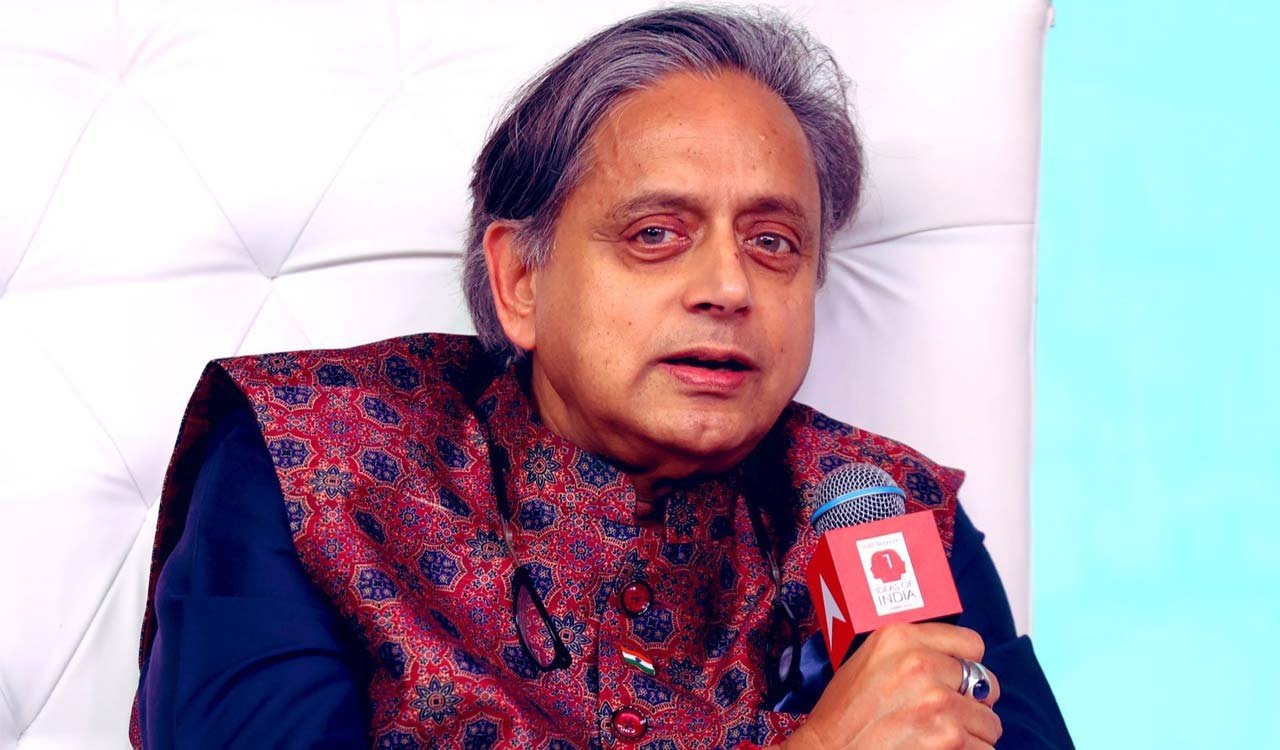
The conclusion of the 107-day conflict in West Asia—marked by a fragile United States-Iran Memorandum of Understanding (MoU)—has triggered a profound realignment in South Asian diplomacy. In an analysis of the post-war strategic ledger, Shashi Tharoor evaluates how India’s departure from strict neutrality and Pakistan’s performance as a diplomatic intermediary have altered their respective global standing.
India’s Departure from Multi-Alignment
For decades, New Delhi maintained an elegant policy of multi-alignment, balancing deep economic and energy ties with Iran alongside robust security partnerships with Israel and the Gulf monarchies. However, the recent crisis exposed a vulnerability in this doctrine.
-
The Misstep: By leaning heavily toward the American-Israeli axis—exemplified by high-profile bilateral engagements just ahead of the bombardment of Iran—India compromised its traditional stance of studied neutrality.
-
The Cost: Tying its diplomatic positioning so closely to one side eroded India’s credibility as an acceptable interlocutor to Tehran. Consequently, New Delhi ceded its influential position at the West Asian peace deliberations in Geneva.
Mediator or Messenger? Pakistan’s Proxy Diplomacy
While Islamabad has claimed credit for facilitating the breakthrough and assuming the mantle of regional peacemaker, Tharoor argues that its ascension requires deep skepticism. Pakistan’s role was less about strategic autonomy and more about diplomatic convenience.
-
Lack of Detachment: Highly publicized, unctuous flattery toward Washington—including the embarrassing, inadvertent release of a statement explicitly headlined as a U.S.-drafted document—indicated that Pakistan was not a disinterested arbiter.
-
The “Stool-Pigeon” Role: True mediation requires independent leverage to alter the behavior of disputants. Instead, Pakistan functioned as a reliable message-transmission belt. Washington needed a back-channel to de-escalate an unpopular war without direct political fallout, and Tehran needed a face-saving exit. Pakistan was chosen for its utility as a surrogate, not its moral authority.
Strategic Takeaways for South Asia
The remapped diplomatic landscape offers critical lessons for strategic autonomy in South Asia:
For India: The crisis serves as a stark reminder that perceived partisanship instantly erodes the leverage required to act as a global bridge. To regain its reputational assets, New Delhi must return to genuine multi-alignment.
For Pakistan: Islamabad may be rewarded by Washington with short-term military or financial aid for its surrogate diplomacy, but it should not mistake this for a genuine gain in global stature. The international community clearly distinguishes between an autonomous global actor and a convenient diplomatic messenger.
