

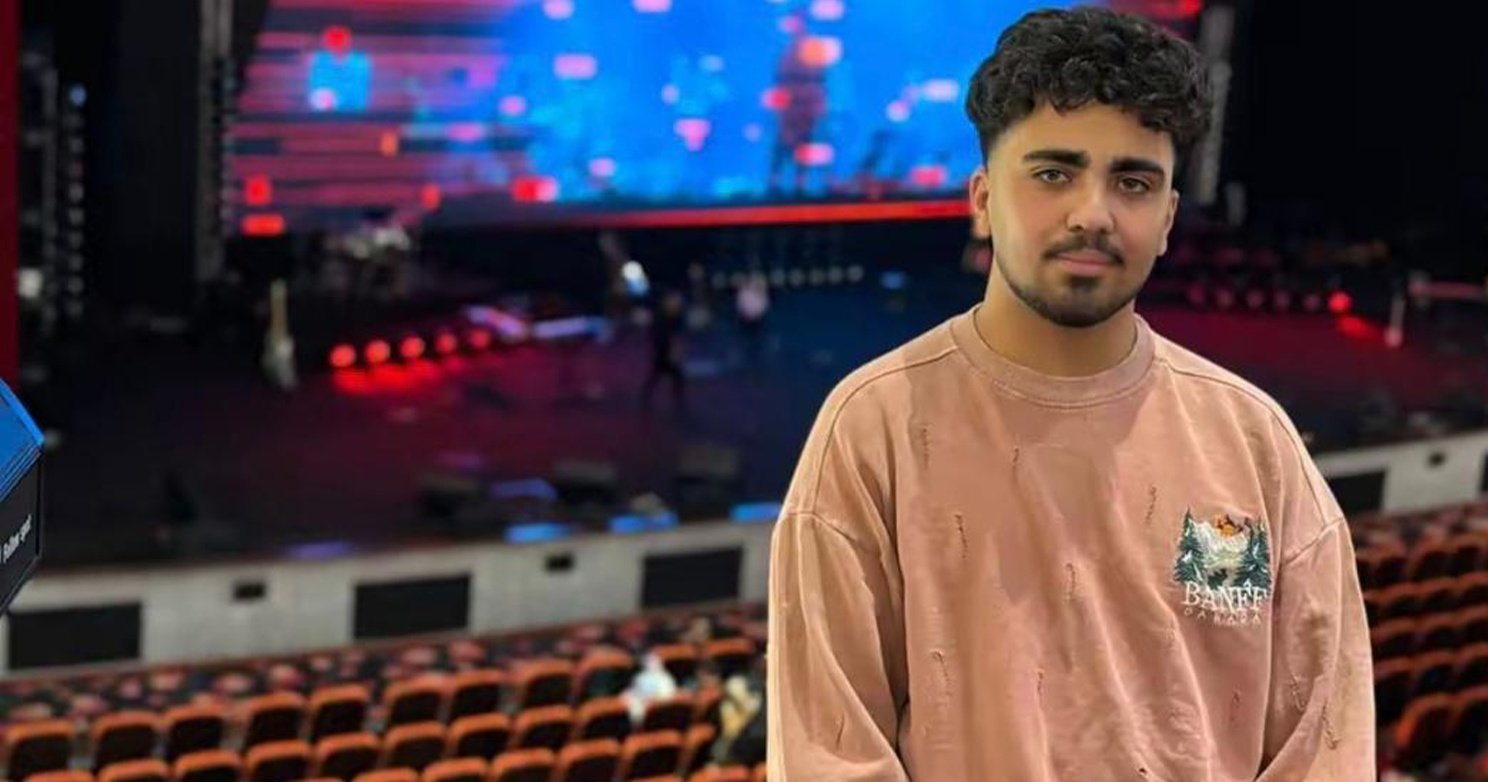
Amidst the ongoing turmoil in the Middle East, a personal story of loss has bridged the gap between a mourning family in California and the White House. Majid Moghadasi, an Iranian-American living in Woodland Hills, has shared a letter from President Donald Trump regarding the death of his 18-year-old nephew, Erfan Faraji.
The Life and Death of Erfan Faraji
Erfan Faraji was a teenager living in Shahr-e Rey, south of Tehran, who became a victim of the violent crackdowns following the anti-government demonstrations that erupted in early 2026.
-
Tragic Timing: Erfan was shot and killed on January 8, just two days after celebrating his 18th birthday.
-
The Circumstances: According to his uncle, Erfan was an “innocent teenager with dreams” whose only act was standing up against perceived injustice. He was reportedly killed by live ammunition during a period when the regime’s suppression of unrest resulted in staggering casualties (estimates ranging from 7,000 to over 36,000 deaths in January alone).
A Promise from the President
Moved by the tragedy, Majid Moghadasi reached out to the White House directly. To his surprise, President Trump responded on January 13 with a letter expressing both grief and a firm political stance.
Key Quotes from Trump’s Letter:
“Erfan will be held in my heart, and I promise never to forget or forgive the terrible events that took him from us.”
“My Administration will always stand with the Iranian people in their quest for freedom and democracy… we are working diligently to ensure that the Ayatollah and his murderous regime are brought to justice.”
Family Response
Moghadasi expressed deep gratitude for the President’s words, stating that the letter brought him “immense joy” during a period of profound mourning. The exchange highlights the Trump administration’s strategy of pairing personal outreach with a “maximum pressure” diplomatic approach, framing the current conflict as a struggle for the freedom of the Iranian people.
The story has resonated within the Iranian-American community, serving as a symbol of the human cost behind the geopolitical headlines dominating 2026.
