

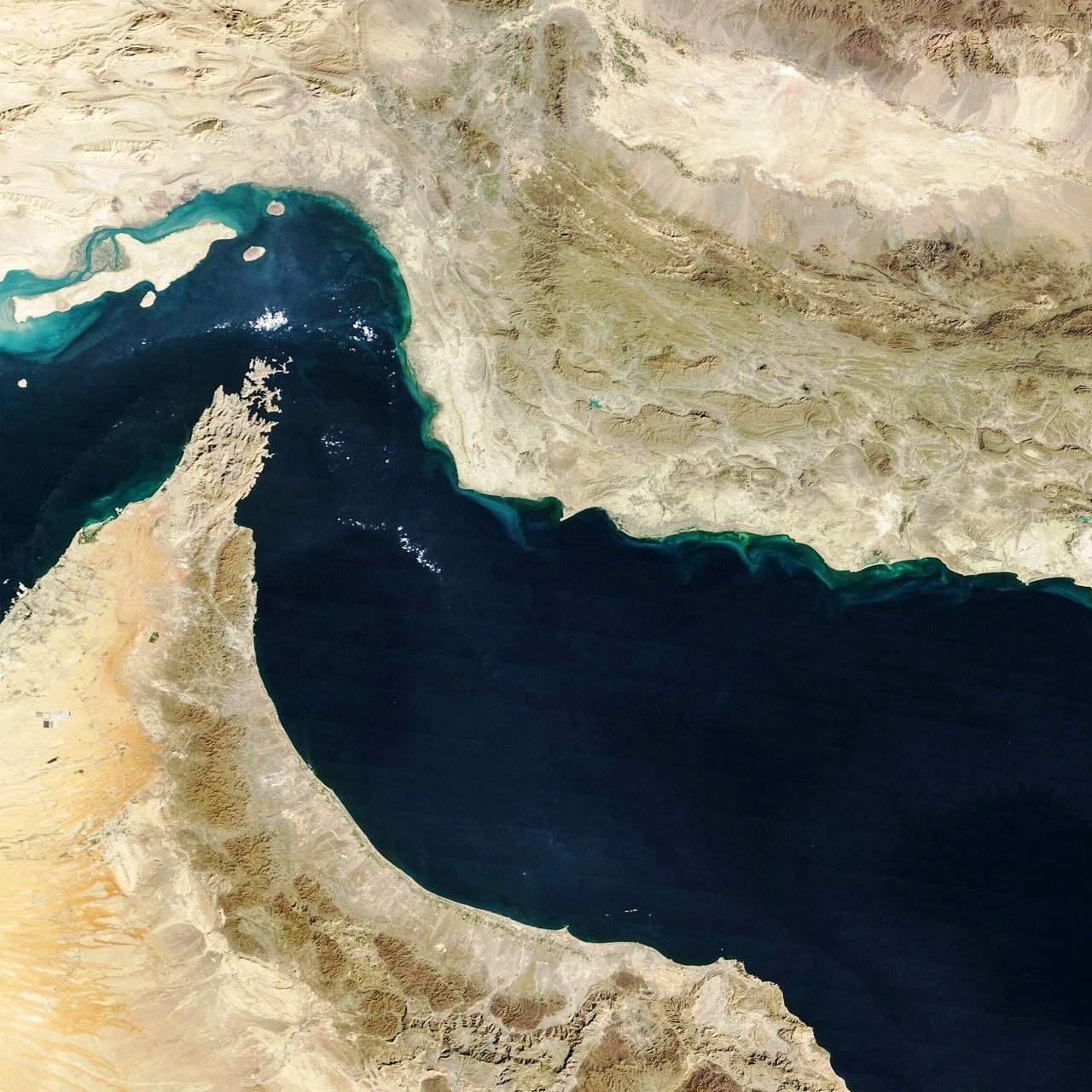
As the conflict between Iran and the US-Israeli alliance intensifies, the Strait of Hormuz has transitioned from a historical point of contention to Iran’s most potent economic and military weapon. Following the joint US-Israeli strikes on February 28, Tehran took the unprecedented step of “shutting” the waterway, through which nearly 20% of the world’s oil supply passes.
The Standoff: Blockades and Defiance
The situation in the Strait is currently defined by a dual-layered maritime crisis: a US naval blockade attempting to intercept sanctioned vessels and Iran’s self-imposed closure of the strategic chokepoint.
-
Tracking the Transit: Despite the tension, shipping data from Kpler shows that 20 tankers transited the Strait this past Saturday. However, at least nine vessels, including the Chinese-owned Rich Starry, have complied with orders to turn back.
-
The “Tollbooth” System: In a bold financial move, Iran has reportedly begun charging a toll of $1 per barrel of oil (or up to $2 million per vessel) for safe passage. To bypass international banking sanctions, Tehran is demanding these payments in cryptocurrency.
-
The Justification: Hamid Hosseini of Iran’s Exporters’ Union stated the measures are necessary to monitor cargo and ensure that ceasefire periods are not used for weapon transfers.
Geopolitical & Economic Impact
Iran’s control over the waterway has granted it significant “bargaining power” with energy-dependent nations, particularly in Asia.
| Country | Dependency/Impact |
| India | Imports over 85% of its crude oil, mostly via the Gulf; faces severe supply risks. |
| China | Imports 80% of Iranian oil; remains a primary trade partner despite US sanctions. |
| Global Markets | The closure has sparked international panic, with Iran using the Strait as a “security guarantee” against further military strikes. |
“Inalienable Right”: Tehran’s Stance
Iranian officials remain defiant, framing their control of the Strait as a matter of national sovereignty. Ebrahim Azizi, chair of the Iranian Parliament’s national security committee, described Tehran’s authority as an “inalienable right.”
The Warning: Iran’s Revolutionary Guards Navy (IRGCN) has warned that any vessel approaching the chokepoint without authorization will be viewed as cooperating with the “enemy.” Furthermore, officials cautioned that if Iranian ports are targeted, “no port in the Persian Gulf or Gulf of Oman will remain secure.”
While the US claims its naval blockade is effective in stifling Iranian influence, the reality on the water suggests a complex “new legal regime” where Tehran is successfully leveraging global energy dependencies to fund its war effort and secure its political future.
