

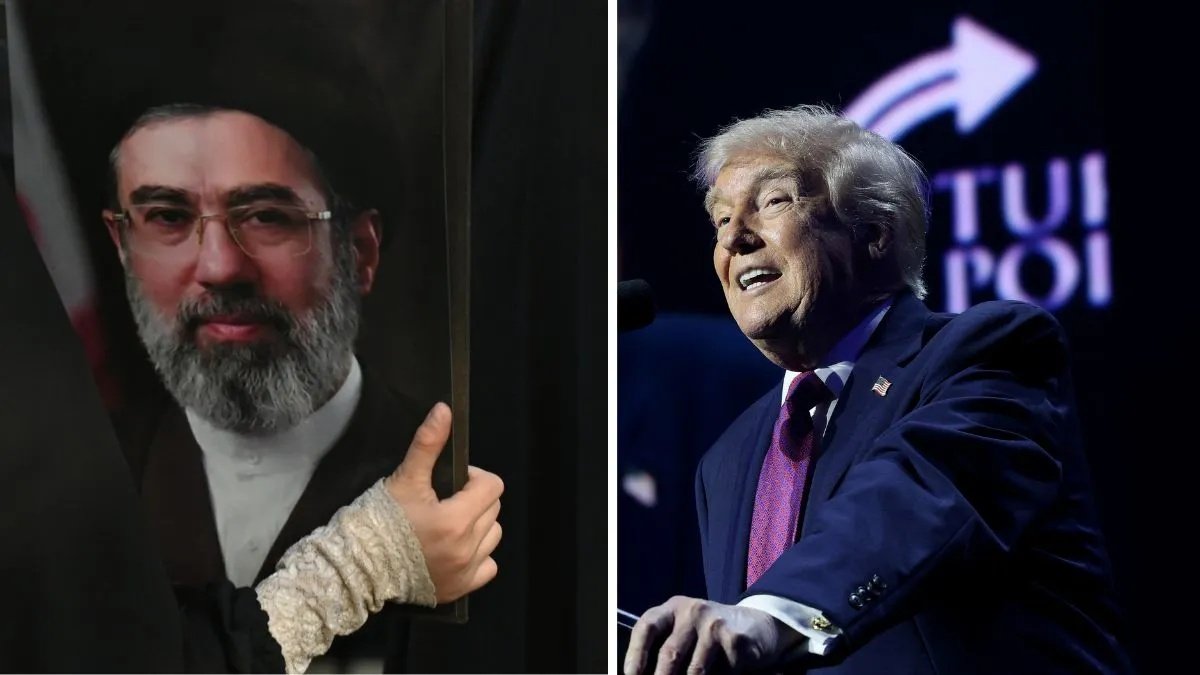
Diplomatic efforts to end the conflict between the United States and Iran have hit a wall. Despite a high-stakes 21-hour opening session in Islamabad on April 11, Tehran has officially declined to participate in a second round of talks, citing Washington’s “unrealistic” demands and the ongoing naval blockade of the Strait of Hormuz.
With the current fragile ceasefire nearing its expiration, three critical sticking points remain the primary obstacles to a lasting peace deal.
1. The Nuclear Standoff: Enriched Uranium
The most significant hurdle is the fate of Iran’s stockpile of highly enriched uranium.
-
The US Position: Washington is demanding that Tehran either transfer or surrender its entire stockpile to a third party to eliminate any “breakout” capability for nuclear weapons.
-
The Iranian Position: Tehran has rejected this as a violation of sovereignty. They insist on their right to enrich uranium for civilian purposes and are demanding the release of billions in frozen funds as a prerequisite for any compromise on enrichment levels.
2. The Strait of Hormuz: A Strategic Chokepoint
The waterway has become Iran’s most powerful bargaining chip in the 2026 conflict.
-
The Conflict: While the US demands immediate, unrestricted passage for commercial vessels, Iran has tightened its grip.
-
The Leverage: Tehran has warned it will not relinquish control—and may impose further restrictions or tolls—unless the US naval blockade is lifted. For Iran, the Strait is an “existential factor” that guarantees their security against further military action.
3. Sanctions and $120 Billion in Frozen Assets
Iran’s economy is reeling under heavy international pressure, and their negotiators are looking for a massive financial reset.
-
The Demand: Parliament Speaker Mohammad Bagher Ghalibaf has stated that $120 billion in frozen Iranian funds must be released for a deal to move forward.
-
The Hesitation: US negotiators are reluctant to grant major sanctions relief or release funds before securing “concrete and verifiable” nuclear commitments. Furthermore, Iran’s continued support for regional groups remains a “red line” for the Trump administration and its allies.
The Islamabad Legacy
The first round of talks, brokered by Pakistan, was characterized by intense direct and backchannel exchanges. However, the failure to produce even a basic framework has left both nations in a dangerous limbo. As Vice President Vance noted, Iran has “not accepted” the current US terms, while Tehran continues to describe Washington’s approach as “unreasonable.”
Without a breakthrough, the region remains on the brink as the clock on the ceasefire runs out.
