

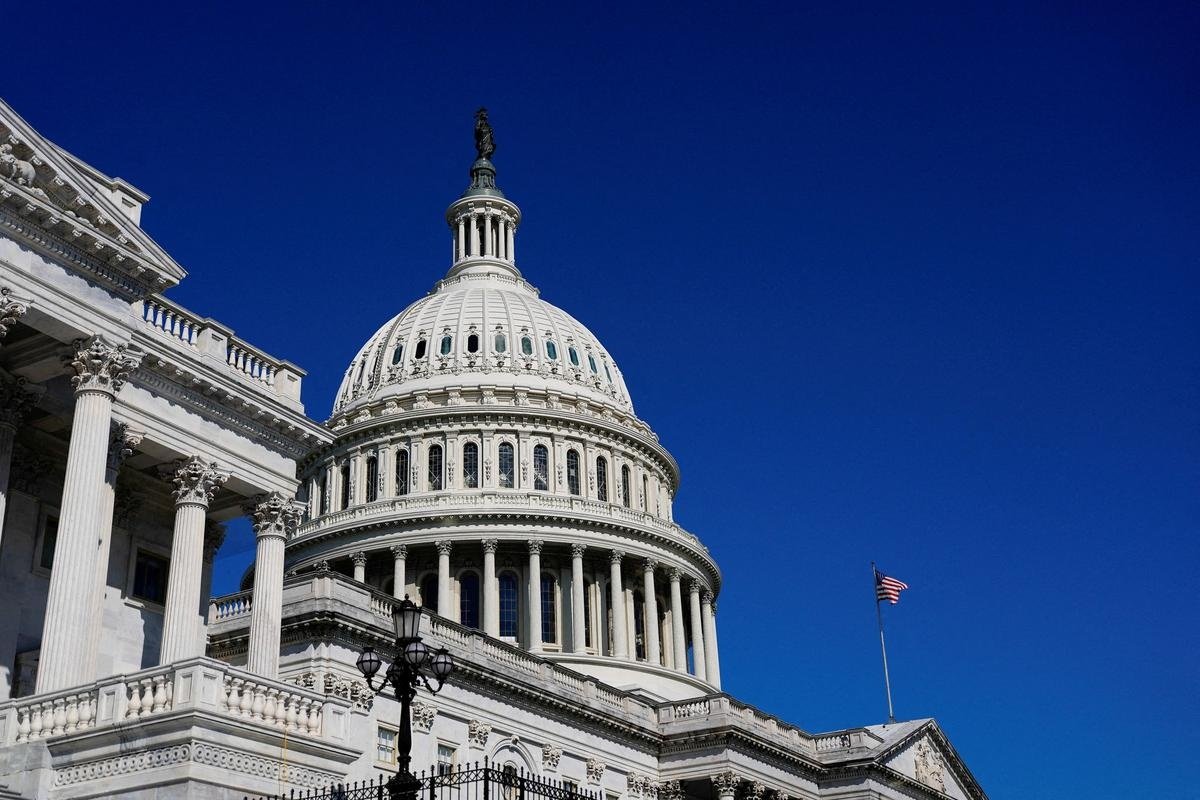
The United States Senate has overwhelmingly advanced long-stalled bipartisan legislation aimed at choking off Moscow’s energy revenues. The bill grants President Donald Trump broad authority to levy secondary tariffs of up to 100% on imports from major purchasers of Russian crude oil and natural gas, placing India and China directly in the crosshairs of U.S. trade policy.
The procedural vote cleared the 60-vote threshold with an 86-to-12 majority, drawing support from nearly all Senate Republicans and a major contingent of Democrats.
Targeting Moscow’s Energy Revenue and the “Shadow Fleet”
The legislation—formally co-authored by Senator Richard Blumenthal and the late Senator Lindsey Graham—represents one of the most aggressive legislative measures to target nations maintaining substantial trade ties with Russia amid the ongoing conflict in Ukraine.
Core Provisions of the Bill:
-
Secondary Tariffs on Top Buyers: Authorizes the executive branch to impose tariffs of up to 100% on goods originating from the top five purchasers of Russian oil and gas. Re-evaluations of these purchasing volumes will take place every 180 days.
-
Targeting Evasion Networks: Mandates strict sanctions on Russian financial institutions, oligarchs, and maritime operators participating in the “shadow fleet”—a network of non-Western tankers used to circumvent global oil price caps.
-
Carve-Outs and Exemptions: Provides conditional relief for countries importing less than 15% of their natural gas from Russia, provided they demonstrate tangible steps toward reducing energy reliance on Moscow.
-
Extension of Iran Sanctions: Incorporates expanded sanction authority targeting Iran’s energy and weapons sectors, extending existing enforcement frameworks through 2031.
Capitol Hill Momentum and Tribute to Lindsey Graham
The vote carried emotional weight on Capitol Hill, taking place shortly after a memorial service honoring Senator Graham, who spent over a year assembling bipartisan consensus for the bill prior to his sudden death earlier this month.
Ukrainian President Volodymyr Zelenskyy was present on Capitol Hill during the proceedings, meeting with lawmakers to express support for the measure as part of broader effort to curb foreign funding for Russia’s military operations.
“There is no greater way to honor Senator Graham’s legacy than to move forward with this bipartisan agreement.” — Joint Statement by Lead Senate Negotiators
Domestic Concerns and the Road Ahead
While the measure enjoyed broad support, several lawmakers voiced caution regarding its domestic and diplomatic economic impact. Opponents noted that sweeping 100% tariffs could raise costs for American consumers, disrupt global supply chains, and strain relations with key strategic partners like India.
Despite clearing the Senate threshold, the bill faces a temporary legislative pause. The U.S. House of Representatives has adjourned for its summer recess, meaning formal consideration and final passage cannot occur until lawmakers return to Washington in September 2026.
