

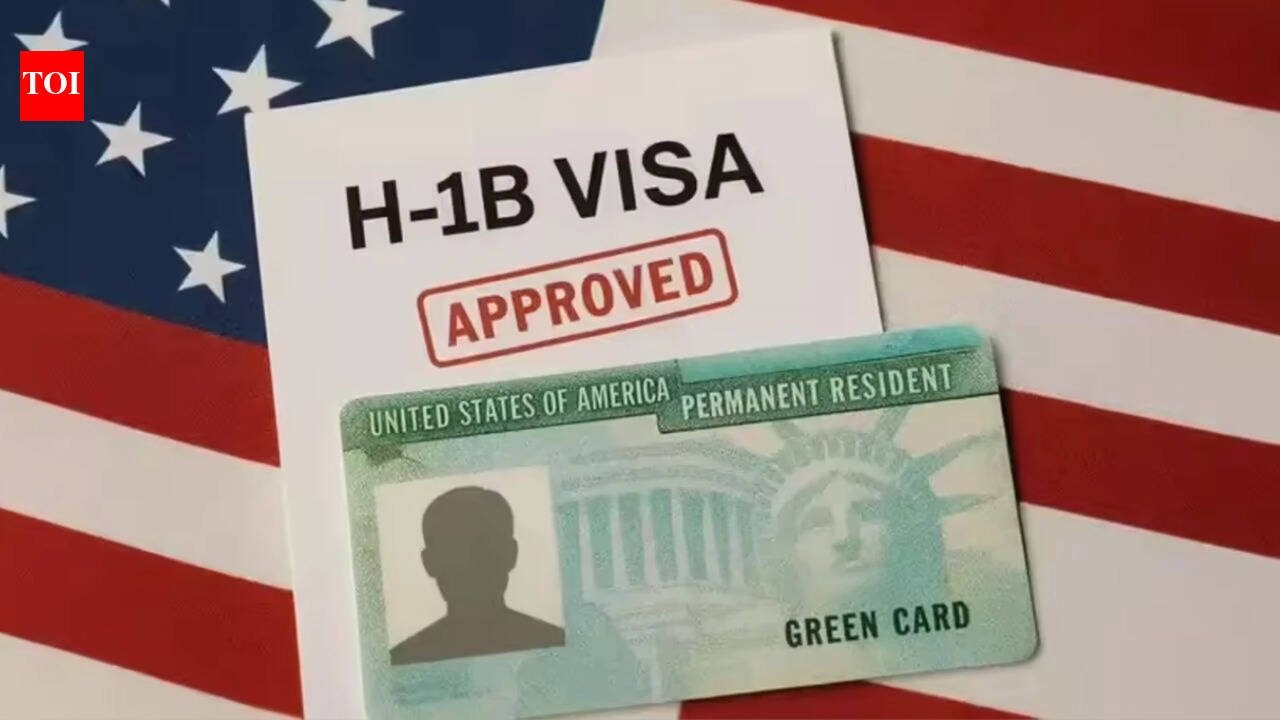
Democratic lawmakers led by California Senator Alex Padilla have reintroduced the Renewing Immigration Provisions of the Immigration Act of 1929. The bill aims to modernize Section 249 of the Immigration and Nationality Act (commonly known as the Registry) by allowing long-term US residents—including Indian H-1B visa holders—to apply for Lawful Permanent Resident (LPR) status after seven years of continuous residence.
The proposal is co-led in the Senate by Democratic Whip Dick Durbin along with 14 co-sponsors, while Representative Zoe Lofgren leads companion legislation in the House of Representatives.
Key Mechanics of the Proposed Legislation
Core Provisions:
-
Rolling Residency Eligibility: Replaces the static 1972 entry cutoff with a continuous 7-year rolling requirement. Anyone who has lived in the US legally or unlawfully for 7 years at the time of application would become eligible.
-
Clean Record Mandate: Applicants must pass background checks, maintain a clean criminal record, and fulfill standard medical and security admissibility criteria.
-
Broad Coverage: Applies to Dreamers (DACA), Temporary Protected Status (TPS) holders, essential workers, Documented Dreamers (aging-out children of visa holders), and employment-based visa holders (H-1B, L-1
Why It Matters for Indian H-1B Visa Holders
Indian high-skilled workers face unprecedented backlogs under the current employment-based green card system due to the 7% per-country cap.
-
Bypassing Country Quotas: Because the Registry provision grants LPR status directly through administrative adjustment of status under Section 249, it operates outside standard per-country preference caps (EB-1, EB-2, EB-3).
-
Relief for Aged-Out Children: Children of H-1B holders who face deportation upon turning 21 (“Documented Dreamers”) would gain a direct, independent pathway to permanent residency.
Legislative Outlook & Reality Check
Despite its potential benefits, political analysts note that the bill faces steep legislative hurdles:
-
Partisan Divide: Republican lawmakers remain broadly opposed to registry updates or broad residency pathways, favoring stricter enforcement and reduced overall immigration levels.
-
Low Probability of Passage: With political divisions in Congress and strong conservative resistance, the measure is largely seen as a symbolic Democratic policy statement rather than legislation likely to pass into law in the near term.
