

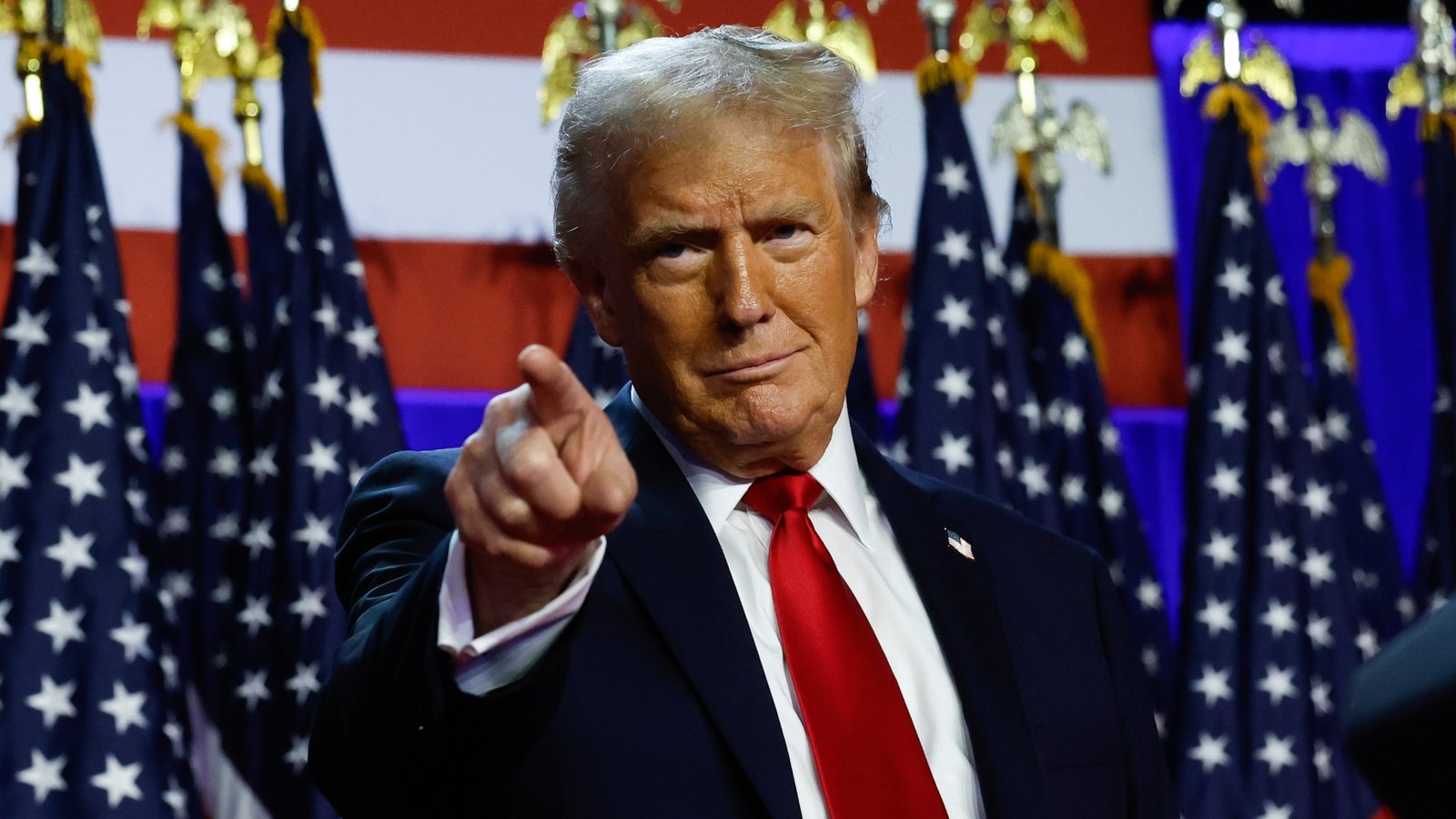
In a move that dramatically raises the stakes of the ongoing Middle East conflict, President Donald Trump has announced a U.S. naval blockade of the Strait of Hormuz.The strategy aims to “block the already blocked” waterway, specifically targeting Iran’s ability to selectively control traffic and export its own crude.
The Strategy: “Visit and Search”
While Iran has physically obstructed the Strait since the war began, it has allowed a “fraction” of traffic to pass—reportedly charging tolls up to $2 million per ship and prioritizing its own tankers. The U.S. plan, executed by CENTCOM, seeks to flip this leverage.
How it functions:
-
Selective Enforcement: Unlike a total closure, the U.S. will allow ships traveling between non-Iranian ports to transit.
-
Inspection Rights: Under international maritime law, U.S. forces will exercise the right of “visit and search.” Any vessel attempting to transit must submit to an inspection to determine if they are carrying Iranian goods or heading to Iranian docks.
-
Economic Warfare: By stopping the roughly 1.85 million barrels of oil Iran exports daily, the U.S. hopes to “collapse Iran’s business model” and drain its war chest.
The Economic Gamble
The Trump administration has previously been hesitant to block Iranian oil because any reduction in global supply triggers a price surge. However, analysts now argue that hitting Iran’s revenue is the only way to end their “chokehold” on the region.
Market Impact (April 13, 2026):
| Oil Benchmark | Current Price | Increase |
| WTI (US Crude) | $104.24 | 8% |
| Brent Crude | $102.29 | 7% |
Before the war in February, Brent crude was trading at approximately $70.
War of Words: “Nostalgic for $5 Gas”
The announcement has triggered immediate defiance from Tehran. Iranian officials are betting that the political pressure of rising fuel prices in the U.S. will force Trump to back down.
“Enjoy the current pump figures. With the so-called ‘blockade’, soon you’ll be nostalgic for $4–$5 gas.” — Mohammad Bagher Ghalibaf, Iran’s Parliament Speaker
The Risks Ahead
-
Shipping Volume: Normally, 150 vessels pass through Hormuz daily. In March, that number plummeted to just 150 for the entire month.
-
Retaliation: Iran has previously threatened that the Strait has been mined. A U.S. blockade increases the risk of direct naval skirmishes or “shadow war” attacks on tankers.
-
Global Inflation: With 20% of seaborne oil at risk, the blockade could stall global economic recovery and keep energy prices at record highs indefinitely.
The U.S. blockade is scheduled to begin officially at 10:00 AM EDT (5:30 PM Iran time). All eyes are now on the Persian Gulf to see if the U.S. Navy will physically intercept Iranian tankers already en route to international markets.
