

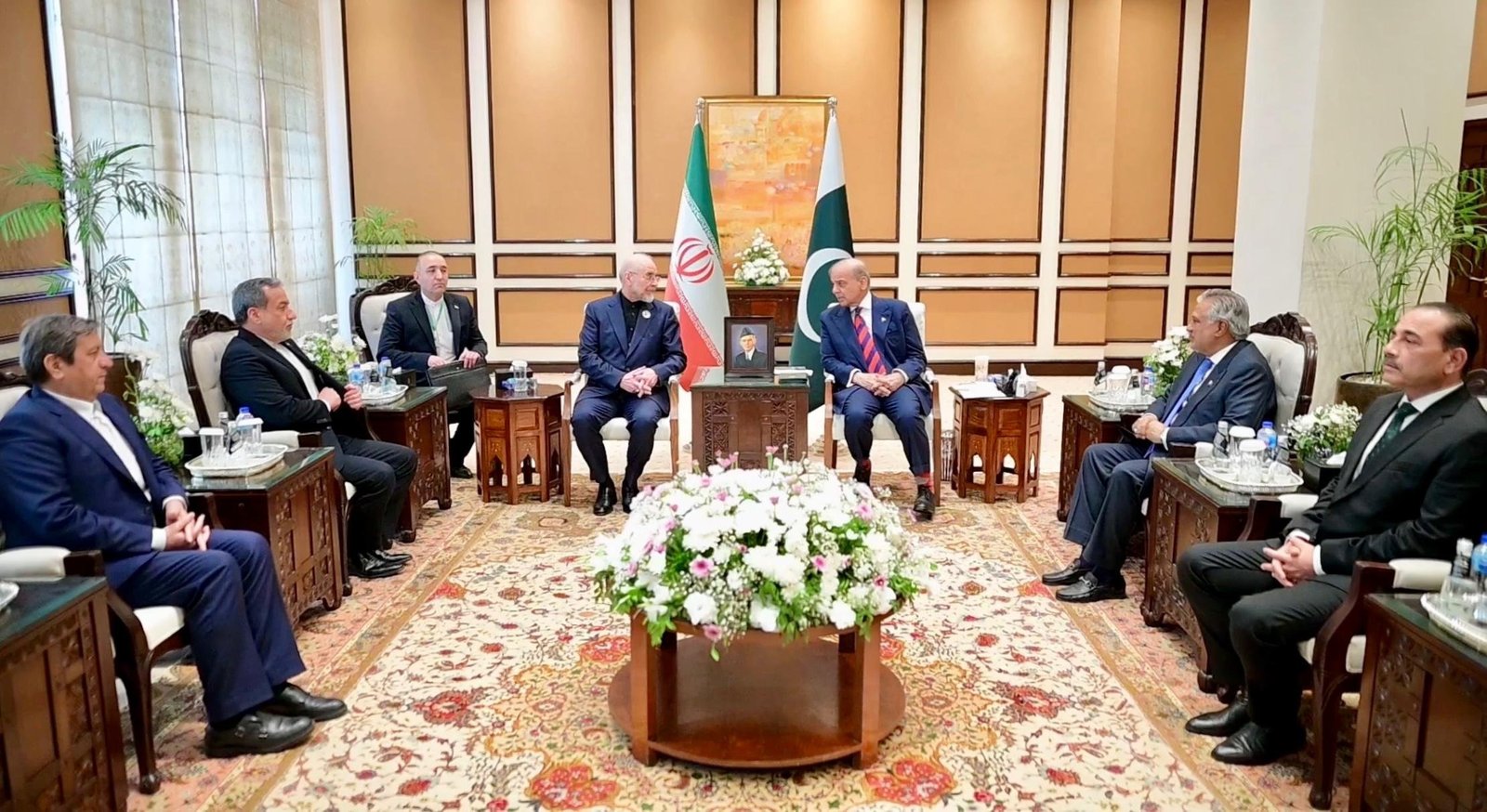
High-stakes peace talks between the United States and Iran in Islamabad have collapsed, with Iranian officials claiming they were “inches away” from a historic memorandum of understanding before American “maximalism” derailed the process.
The failure of the summit—the highest-level engagement between the two nations in 47 years—has immediately shifted the landscape from diplomacy to military posturing, as the U.S. prepares to enforce a naval blockade.
The Iranian Perspective: “Shifting Goalposts”
Foreign Minister Abbas Araghchi expressed deep frustration over the weekend’s outcome, stating that Iran entered the negotiations in “good faith” to end the ongoing conflict.
“When just inches away from the ‘Islamabad MoU’, we encountered maximalism, shifting goalposts, and blockade. Zero lessons learned. Good will begets good will. Enmity begets enmity.” — Abbas Araghchi, Foreign Minister
President Masoud Pezeshkian maintained that a breakthrough is still possible, but only if Washington abandons what he termed “totalitarianism” and respects Iranian sovereignty. He praised his negotiating team, specifically Parliamentary Speaker Mohammad Baqer Qalibaf, for their intensive efforts.
From Dialogue to Blockade
The collapse of the talks was swiftly followed by an aggressive directive from U.S. President Donald Trump.
The U.S. Response:
-
Naval Blockade: U.S. Central Command (CENTCOM) is set to blockade all Iranian ports starting Monday.
-
Scope: The blockade will be “enforced impartially” against vessels of all nations attempting to enter or leave Iranian docks.
-
Transits: Ships traveling between non-Iranian ports will still be permitted to transit the Strait of Hormuz, though tensions in the waterway are expected to spike.
Iran’s Counter-Defiance
Despite the looming economic and military pressure, Speaker Mohammad Bagher Ghalibaf dismissed the U.S. threats as having “no effect” on the Iranian people. He emphasized that Tehran had brought “very good initiatives” to the table and warned the U.S. against testing Iran’s military resolve.
“If you fight, we will fight, and if you come forward with logic, we will deal with logic… Let them test our will once again so that we can teach them a bigger lesson.” — Mohammad Bagher Ghalibaf, Parliament Speaker
Key Takeaways from the Islamabad Collapse
-
The Goal: An agreement known as the “Islamabad MoU” intended to end the war.
-
The Hurdle: Iran claims the U.S. introduced last-minute demands and threats of a blockade.
-
The Result: Immediate escalation; oil prices have already spiked past $100 as the global market braces for the closure of Iranian energy exports.
