

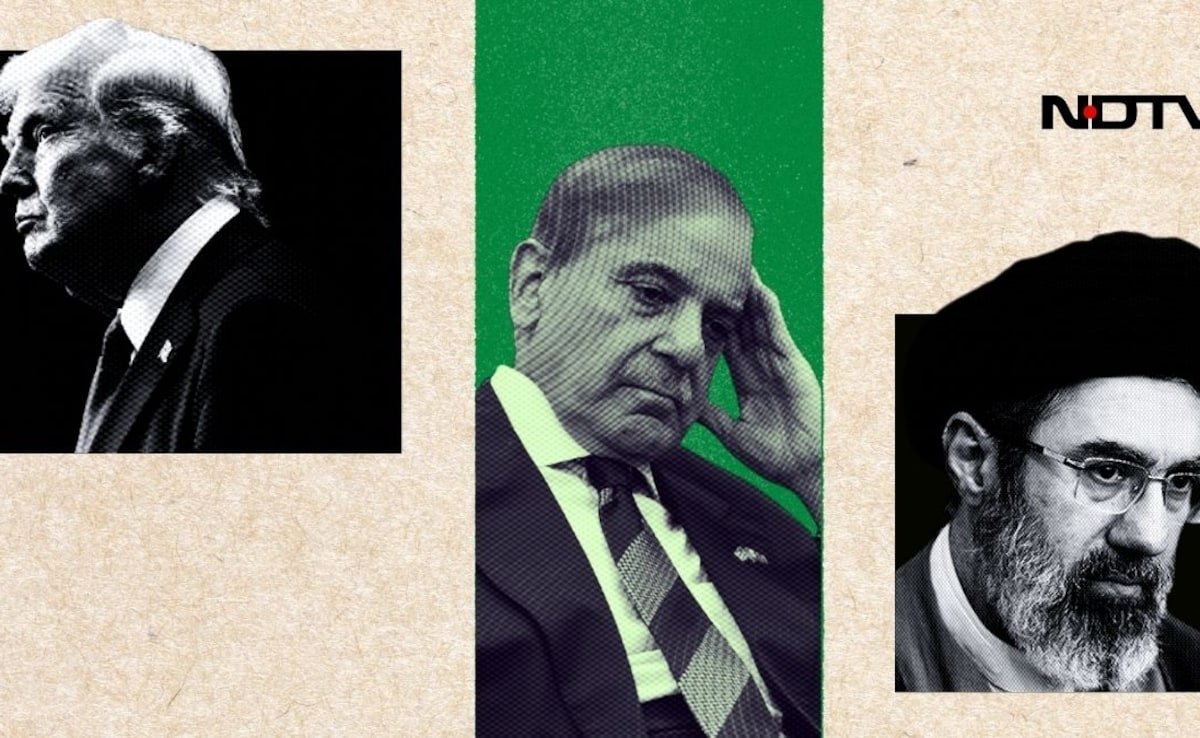
In a whirlwind of digital threats and back-channel maneuvers, the world witnessed one of the most dramatic de-escalations in modern history on Tuesday night. Just 90 minutes before a self-imposed deadline to “obliterate” the Iranian power grid and bridges, President Donald Trump announced a two-week ceasefire with Tehran, citing a “workable” 10-point peace plan.
What appeared to be an inevitable march toward total war was halted by a high-stakes intervention from Pakistan and the emergence of a new, pragmatic voice within the Iranian leadership.
A Timeline of Extremes
The road to this ceasefire was paved with shifting deadlines and increasingly dire rhetoric from the White House:
-
February 28: War breaks out following US-Israeli strikes on Tehran, resulting in the death of Supreme Leader Ali Khamenei.
-
March 21 – April 6: Trump issues a series of deadlines for Iran to reopen the Strait of Hormuz, extending them multiple times while posting videos of Iranian bridges “tumbling down.“
-
April 7, 9:00 AM: Trump issues his most harrowing threat yet: “A whole civilization will die tonight… 47 years of extortion, corruption, and death will finally end.”
-
April 7, 6:30 PM: Trump pivots, announcing the ceasefire via Truth Social after emergency consultations with Pakistani leaders.
The Negotiators: The Pakistan Connection
While Trump occupied the public stage, the real movement happened in Islamabad and Budapest. Vice President JD Vance, operating out of Hungary, worked the phones with Pakistani Prime Minister Shehbaz Sharif and Field Marshal Asim Munir.
Pakistan served as the “postman” for a 10-point Iranian proposal that Trump eventually labeled “workable.” This document, now known as the Islamabad Accord framework, suggests a radical shift in US-Iran relations, including the acceptance of Iranian nuclear enrichment and the lifting of both primary and secondary sanctions.
Mojtaba Khamenei: The “Runner” Leader
The most significant shift inside Iran has been the consolidation of power under Mojtaba Khamenei, the son of the late Ali Khamenei. Operating from undisclosed locations and communicating via handwritten notes to avoid Israeli assassination attempts, Mojtaba reportedly gave the final “green light” for the truce.
His first public directive since becoming Supreme Leader was a command to all military units to cease fire, though he pointedly warned, “This is not the end of the war.”
The Current State of Play
As of Wednesday, April 8, 2026, the situation remains a mix of relief and intense skepticism:
| Entity | Current Stance |
| United States | Strikes paused; preparing for formal talks in Islamabad this Friday. |
| Iran | Reopening the Strait of Hormuz; coordinating maritime traffic via the IRGC. |
| Israel | Officially supports the ceasefire but continues strikes in Lebanon, stating it is not part of the deal. |
| Global Markets | Oil prices have plummeted by 13% as the threat of a global energy blockade recedes. |
The “Tragedy” of Recovery
Despite the ceasefire, the “humiliation” mentioned by critics like Nishtha Gautam remains a central theme. The US has moved from threatening “total annihilation” to considering a 10-point plan that fulfills nearly every major Iranian demand of the last two decades. As the delegations prepare to meet in Islamabad on Friday, the world is left wondering if this is a genuine bridge to peace or merely a two-week breather before the final collapse.
