

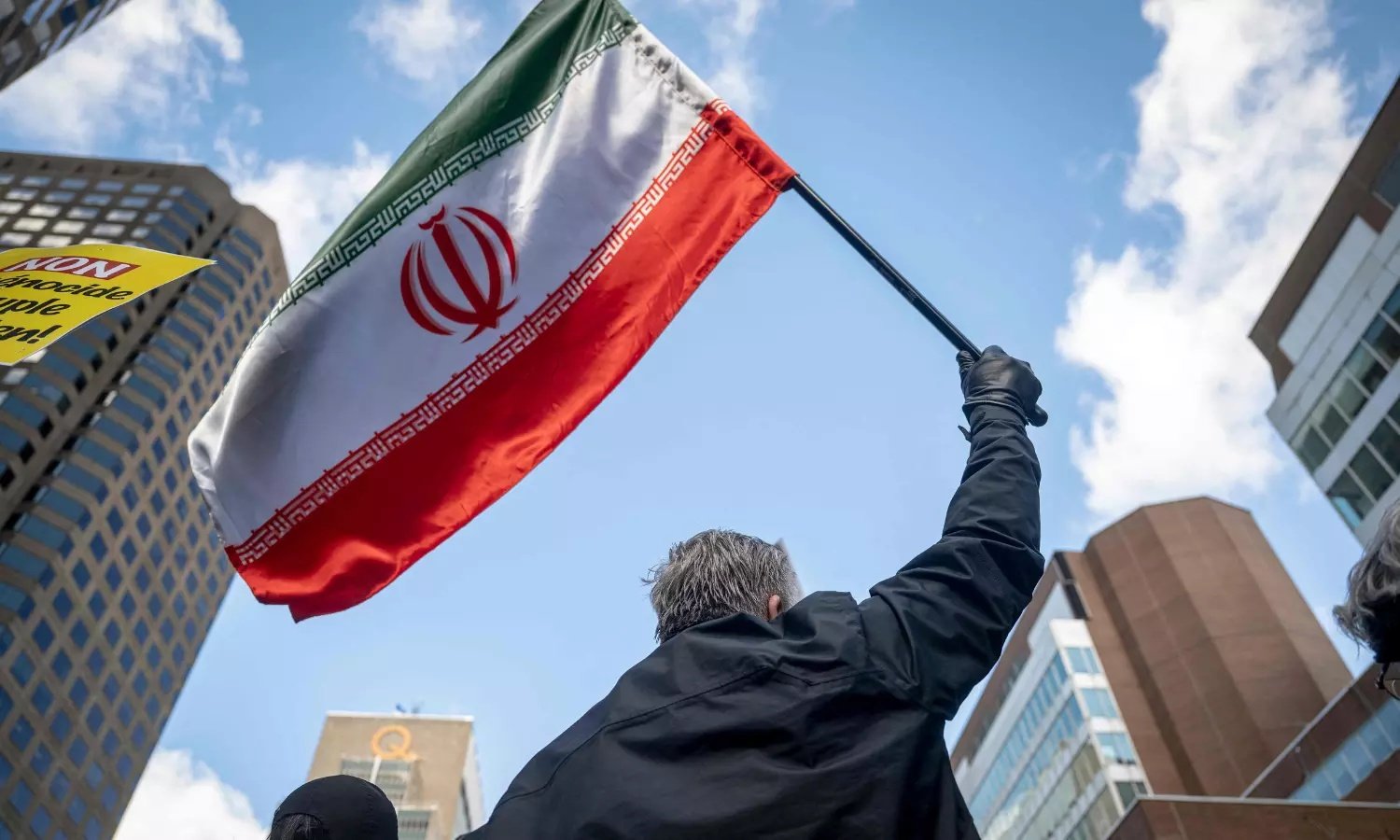
In a dramatic pivot from threats of total destruction to the negotiating table, President Donald Trump has signaled that a 10-point ceasefire proposal from Tehran is a “workable basis” for long-term peace. This announcement follows a month of intense warfare that began on February 28, 2026, and marks a significant pause in what many feared was an unstoppable march toward regional collapse.
While the White House frames the ceasefire as a result of “maximum military leverage,” Tehran is already claiming a “significant diplomatic victory,” asserting that the U.S. has been forced to acknowledge Iran’s core sovereign demands.
The 10-Point Blueprint for Peace
The proposal, delivered via Pakistani mediators, outlines a comprehensive restructuring of the U.S.-Iran relationship. The conditions are far-reaching and touch upon every major point of contention from the last several decades:
-
Non-Aggression: A formal pact to end all direct military hostilities.
-
Sovereignty over the Strait of Hormuz: Continued Iranian military control and coordination of the vital energy corridor.
-
Nuclear Acceptance: Formal U.S. acceptance of Iran’s right to uranium enrichment.
-
Lifting Primary Sanctions: Removal of direct U.S. trade embargoes.
-
Lifting Secondary Sanctions: Ending U.S. penalties on third-party nations trading with Iran.
-
UNSC Resolution: Termination of all previous UN Security Council resolutions against Iran.
-
IAEA Resolution: Termination of all International Atomic Energy Agency Board of Governors resolutions.
-
Reparations: Payment of compensation to Iran for damages incurred during the conflict.
-
Regional Withdrawal: The total exit of U.S. combat forces from the Middle East.
-
Global Cessation of War: Ending hostilities on all fronts, explicitly including the “Islamic Resistance of Lebanon” (Hezbollah).
Trump’s Gambit: “Mission Accomplished?”
President Trump’s acceptance of these terms as a starting point has stunned many observers. In his statement on Truth Social, he justified the move by claiming the U.S. has already “met and exceeded all military objectives.”
“Almost all of the various points of past contention have been agreed to… this extension will allow time for a permanent agreement to be finalized.” — President Donald Trump
The President credited the leadership of Pakistan—specifically Prime Minister Shehbaz Sharif and Field Marshal Asim Munir—for convincing him to “hold off the destructive force” scheduled for deployment against Iran’s power grid and infrastructure.
The Obstacles Ahead
Despite the optimism on the stock markets, several “red flags” suggest the two-week window will be incredibly volatile:
-
The “Netanyahu Factor”: Israeli Prime Minister Benjamin Netanyahu has already signaled that Lebanon is not included in the ceasefire, directly contradicting Point 10 of Iran’s proposal.
-
The Nuclear Question: Accepting Iranian enrichment (Point 3) represents a 180-degree turn in U.S. foreign policy, which may face massive domestic resistance in Congress.
-
The “Binding” Nature: Iran is demanding a UN Security Council resolution to make this deal “binding under international law,” an attempt to prevent future U.S. administrations from reneging on the deal as occurred with the 2015 JCPOA.
For now, the guns are silent, and the Strait of Hormuz is beginning to reopen. Whether this is a genuine “opening for a diplomatic solution” or merely a tactical pause before a larger storm remains to be seen.
