

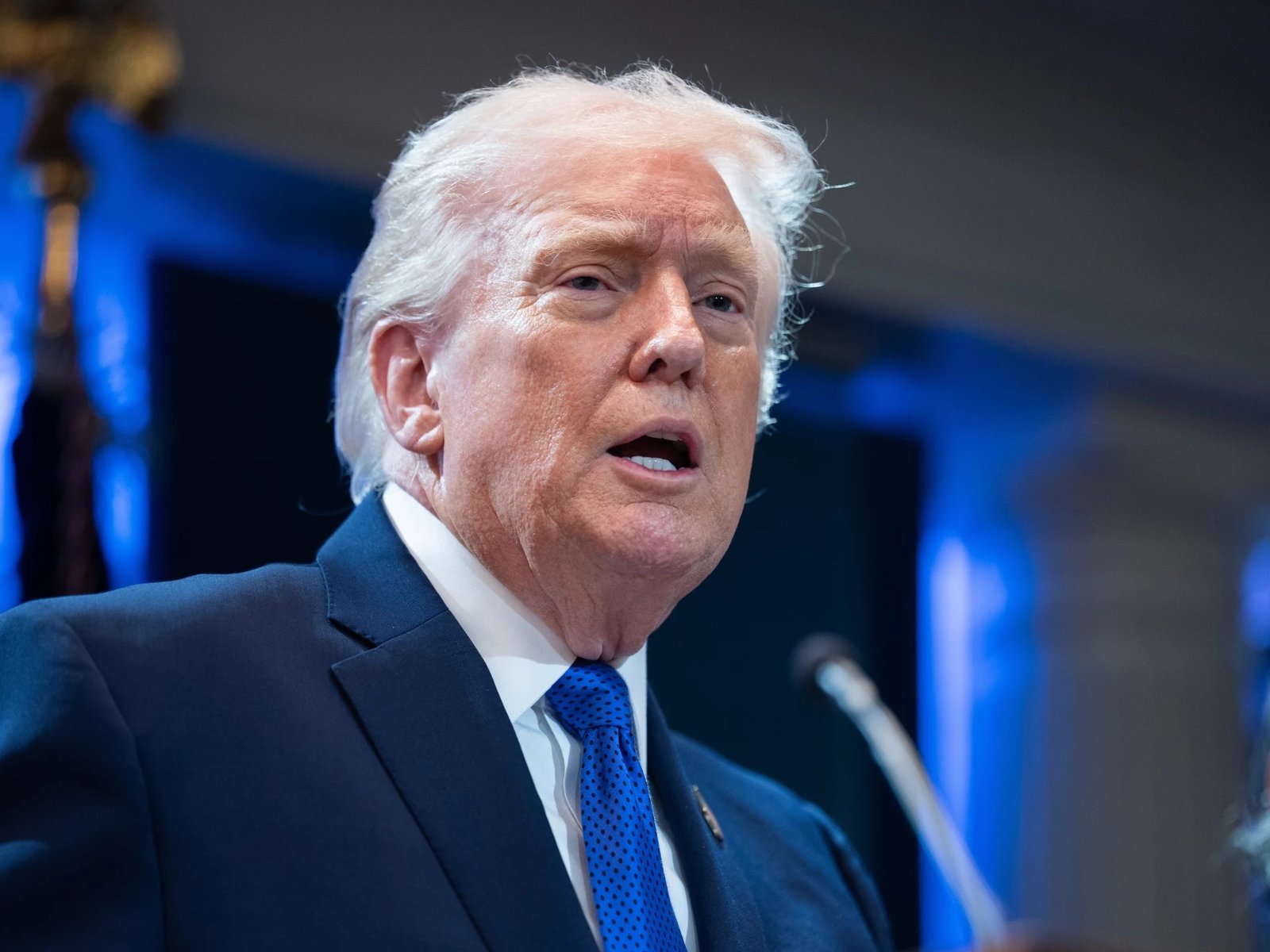
As the two-week US-Iran ceasefire nears its end, a war of words has erupted between Washington and Tehran. While President Donald Trump has flooded social media with celebratory claims of a finalized “transaction,” Iranian officials have hit back, accusing the President of spinning a web of falsehoods.
Mohammad Bagher Ghalibaf, Speaker of Iran’s Parliament, took to X (formerly Twitter) to deliver a blunt rebuttal: “The President of the United States made seven claims in one hour, all seven of which were false.”
The “Seven Claims” Under Fire
The dispute centers on a series of posts made by Trump on Truth Social. Iran contends that these assertions do not reflect the reality of the negotiations:
-
Strait of Hormuz Permanence: Trump claimed Iran agreed to never close the Strait again. Iran maintains that if the US naval blockade continues, the Strait will not remain open.
-
The “Nuclear Dust” Extraction: Trump asserted the US would use “excavators” to take back enriched material. Iran’s Foreign Ministry clarified that its stockpile will not be transferred “anywhere.”
-
Mine Removal: Trump thanked Iran for removing sea mines with US help; Tehran has not confirmed such joint operations.
-
Lebanon Linkage: Trump insisted the Iran deal is separate from the Lebanon-Hezbollah ceasefire, a point of contention in regional optics.
-
NATO as a “Paper Tiger”: Trump claimed he rejected NATO’s help after the crisis was “over,” calling the alliance useless.
-
The Naval Blockade: Trump stated the Strait is open, yet vowed the blockade on Iranian ports will remain in “full force” until the deal is signed.
-
The Announcement Source: Trump claimed Iran officially announced a “full and ready” passage; Iran clarifies the opening is temporary and strictly for the duration of the ceasefire.
A Precarious Opening
The Strait of Hormuz is the world’s most vital oil artery, carrying 20% of the global supply. While Iran’s Foreign Minister Abbas Araghchi confirmed the passage is currently open to commercial vessels, he emphasized two major caveats:
-
It is only open for the remaining period of the ceasefire.
-
Vessels must follow routes strictly coordinated by Iranian authorities.
The Blockade Deadlock
The core of the tension remains the US naval blockade. Trump has threatened to resume “dropping bombs” if the transaction isn’t finalized quickly, while Ghalibaf warned that the US “will certainly not get anywhere in negotiations” through lies and continued economic strangulation.
With the ceasefire clock ticking down, the “great and brilliant day” Trump described appears increasingly shadowed by Tehran’s refusal to accept the terms of what the US calls a completed deal.
