

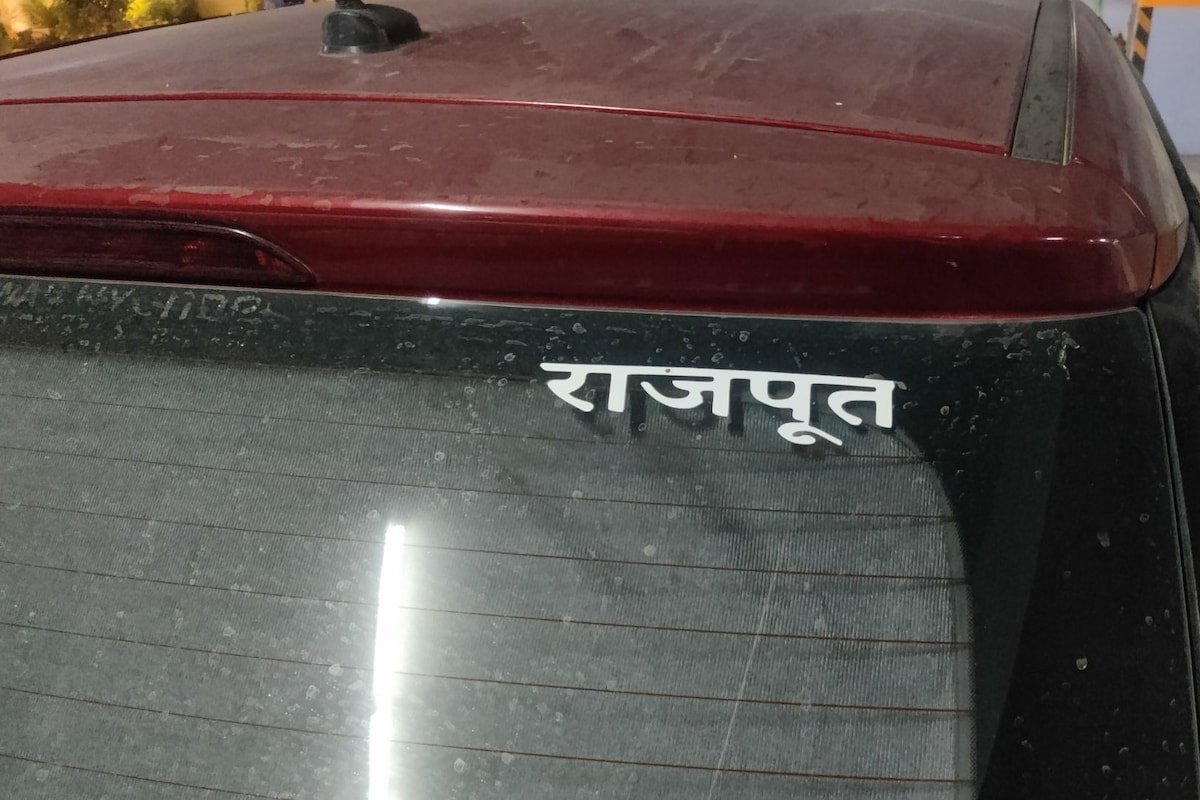
While stickers like Brahmin, Yadav, Gujjar, Jaat, and Rajput are common sights on Indian roads, they are legally classified as traffic violations. As of April 2026, transport departments across India have intensified crackdowns on caste-based markings to ensure social harmony and road safety.
Here is why your “caste pride” sticker could result in a heavy fine or vehicle impoundment.
The Legal Basis for Fines
Traffic authorities use a combination of federal laws to penalize unauthorized markings on vehicles:
-
Registration Plate Violations (Rule 50): Under the Motor Vehicles Act, number plates must follow a strict, uniform format (HSRP). Any additional text, nicknames, or symbols are strictly prohibited.
-
Penalty: Fines up to ₹5,000 for first-time offenders and up to ₹10,000 (plus possible jail time) for repeat offenses.
-
-
Body Markings (Section 177 & 179): Writing caste names on the windshield, bumpers, or doors is viewed as a general traffic violation.
-
Penalty: Fines typically range from ₹1,000 to ₹2,500.
-
Why the Government is Cracking Down
The ban isn’t just about aesthetics; it’s rooted in security and social policy:
-
Ensuring Social Harmony: State governments, particularly in Uttar Pradesh and Haryana, argue that such displays promote casteism and can trigger public friction or road rage.
-
Unobstructed Identification: Stickers often distract from or partially obscure license plates, making it harder for high-speed cameras and police to track vehicles involved in crimes or accidents.
-
Standardization: The push for High-Security Registration Plates (HSRP) is designed to create a digital, trackable database of all vehicles, which unauthorized stickers compromise.
Enforcement in Numbers
States have moved from warnings to active enforcement:
-
Special Drives: In regions like Noida and Ghaziabad, police have issued thousands of challans in single-day “special drives” specifically targeting caste stickers.
-
Digital Policing: With the rise of the Automated Challan System, traffic cameras can now flag vehicles with unauthorized markings, sending a fine directly to the owner’s phone via SMS.
Expert Advice for Motorists
To avoid “unnecessary” stops and financial penalties, legal experts recommend:
-
Total Removal: Ensure no text exists on the number plate except the registration number.
-
Clean Glass: Remove any adhesive labels from the rear and front windshields that signify caste or religious dominance.
-
Follow HSRP: Only use the government-mandated reflective plates with the prescribed font and size.
The Verdict: While displaying your identity may feel like a personal choice, the Indian legal system views a vehicle as a public utility that must remain neutral and compliant. To stay “challan-free,” it’s best to keep your caste identity off your car.
