

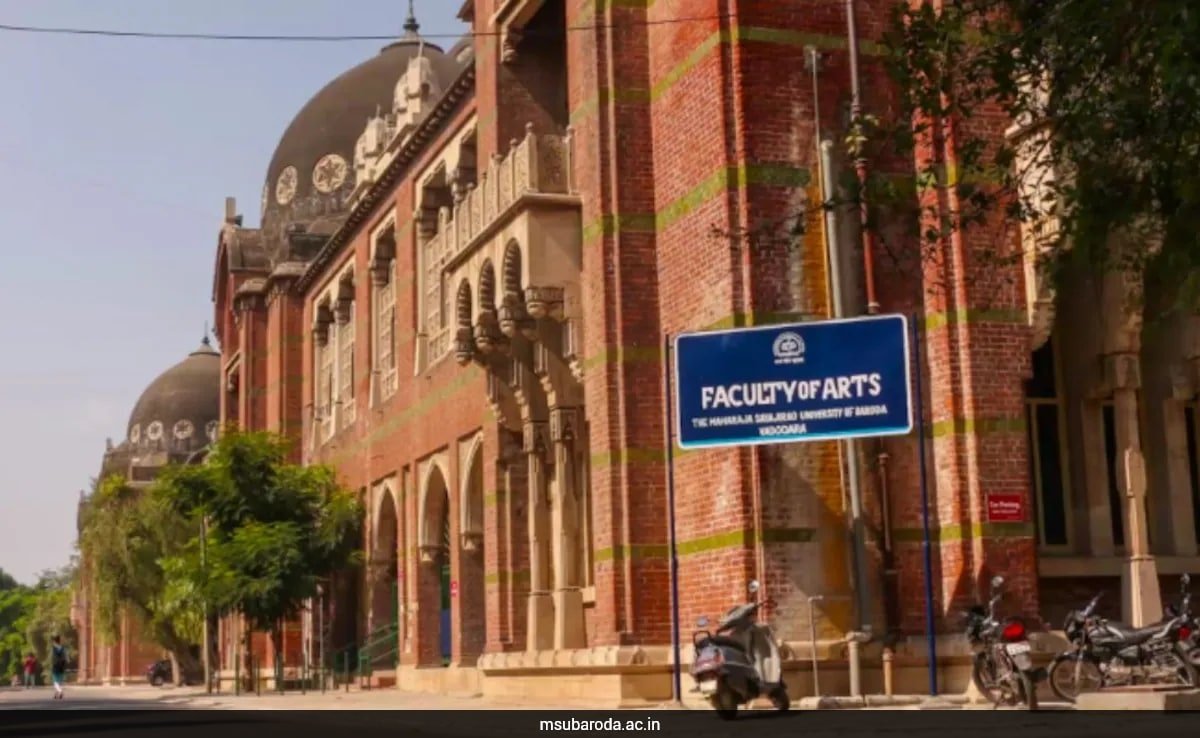
In a move that has sparked significant academic debate, Maharaja Sayajirao University (MSU) of Baroda has announced a major curriculum overhaul. Students in the Sociology Department will now find the history of the Rashtriya Swayamsevak Sangh (RSS) and the leadership philosophy of Prime Minister Narendra Modi, dubbed “Modi Tatva,” as mandatory core subjects.
Rationale for the Change
University officials and proponents of the new syllabus argue that the shift is necessary to bridge the gap between theoretical research and the realities of modern governance:
-
Social Impact: Virendra Singh, representing the university’s perspective, stated that the RSS’s extensive social work warrants scholarly documentation and study for those entering social and public policy.
-
Contemporary Relevance: The administration highlighted that Prime Minister Modi’s leadership and flagship programs, such as Digital India, represent “transformative ideologies” that are essential for social science students to analyze.
-
Bridge to Governance: The revision aims to connect students with “major ideological currents” and the nation’s cultural roots, citing high student interest in current governance models.
Key Components of the New Coursework
| Subject | Academic Focus |
| RSS History | Analyzing the organization’s evolution, ideological framework, and its role in social movements. |
| Modi Tatva | Studying the fundamental elements, charisma, and leadership philosophy of PM Narendra Modi and their impact on India’s social fabric. |
| Practical Linkage | Building on recent NITI Aayog research projects that have already engaged students with government initiatives. |
The Academic Debate
The decision has split the academic community:
-
Proponents: Argue that it offers a realistic, grounded understanding of the organizations and leadership currently shaping the country.
-
Critics: Contend that educational curricula should remain strictly independent of political figures and specific organizational histories to maintain academic neutrality.
This curriculum shift marks a notable departure in pedagogical direction for one of Gujarat’s most prominent universities, reflecting a broader trend of integrating contemporary political movements into formal academic frameworks.
