

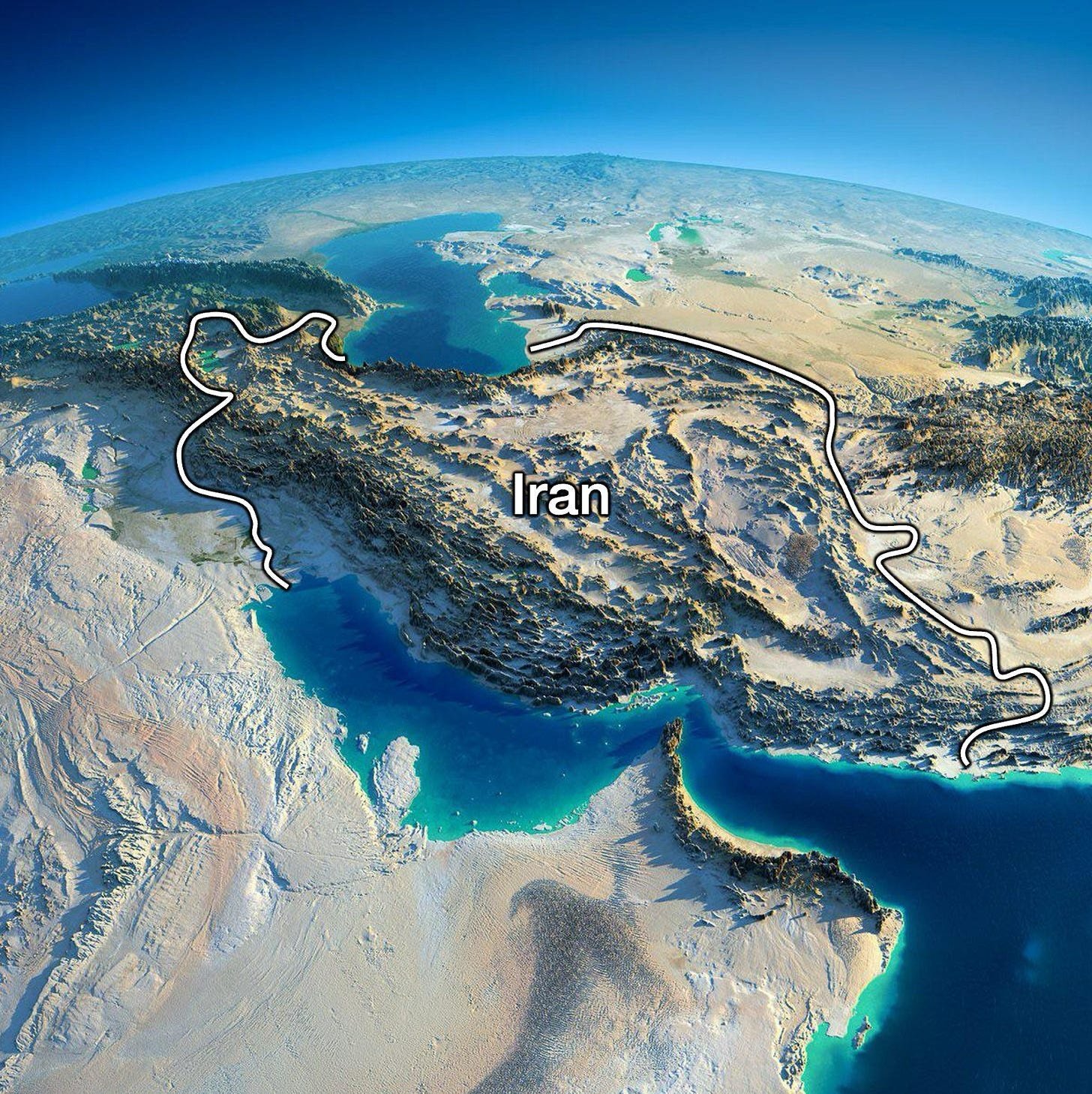
As the regional conflict enters its second month, Iran has introduced a 10-point peace agenda that demands international recognition of its “sovereign rights” over the Strait of Hormuz. This move follows reports that Tehran is already informally charging specific vessels up to $2 million in Chinese yuan for safe passage through the chokepoint, which handles 20% of global seaborne crude.
The Financial Stakes
For Iran, formalizing this “managed corridor” is a massive economic lifeline:
-
Monthly Revenue: Analysts estimate that a standardized toll could generate $4.5 billion per month from crude tankers alone, with an additional $800 million from gas tankers.
-
Strategic Rebuilding: Intelligence reports suggest the regime intends to use these funds to rebuild infrastructure damaged by US-Israeli strikes (Operation Epic Fury) and to replenish its missile and drone stockpiles.
-
Market Impact: Brent crude has already surged past $110 per barrel, a 38% increase since the war began on February 28, 2026.
Trump’s Ultimatum and the “Crazy B*****ds” Post
The demand for “Hormuz Authority” directly clashes with President Donald Trump’s aggressive stance. On Sunday, Trump issued a profanity-laced warning on Truth Social, calling Iranian leaders “crazy b*****ds” and setting a Tuesday deadline for the strait to reopen.
-
The Threat: Trump warned that failure to comply would result in “Power Plant Day and Bridge Day,” signaling a massive offensive against Iran’s domestic energy and transportation infrastructure.
-
The Negotiation: While Trump claims negotiations are “going very well” through mediators, Iran has rejected the US proposal for a temporary ceasefire, insisting on a permanent end to hostilities and the lifting of all economic sanctions.
Implications for India
India, which historically receives 40–50% of its crude through the Hormuz, faces a precarious situation:
-
Government Absorption: New Delhi has so far shielded consumers by absorbing increased costs, but a formal Iranian toll would likely drive freight and insurance premiums higher.
-
Diversification: While India is working to diversify its import sources, offsetting the massive volumes lost to the Hormuz blockade remains a long-term challenge.
-
Diplomatic Stance: Indian officials maintain that “no permission” is required to sail the strait under international law, but the reality on the water remains dictated by Iranian maritime “authority.
