

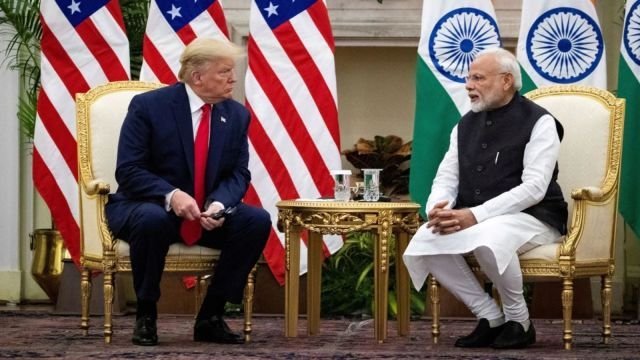
Following the U.S. Congress’s passage of the Lindsey O. Graham Sanctioning Russia and Iran Act of 2026, India has firmly reiterated its resolve to protect its national economic and trade interests. The sweeping legislation—which targets Russian leadership, financial institutions, and the “shadow fleet” facilitating oil shipments—also empowers the U.S. President to impose punitive tariffs of up to 100% on the world’s top five importers of Russian crude oil and natural gas.
Key Aspects of India’s Response
-
Commitment to Energy Security: In an official statement, India’s Foreign Ministry emphasized that New Delhi remains firmly committed to ensuring energy security for its 1.4 billion people, relying on diversified sourcing adapted to evolving market dynamics.
-
High-Level Discussions and Risk Articulation: The ministry noted that India’s oil trade with Russia and the potential repercussions of such legislation on bilateral ties and international energy markets have been communicated clearly to U.S. interlocutors.
-
Safeguarding Economic Interests: Asserting that India is prepared to take all necessary measures to safeguard its trade and economic interests, the government confirmed it will work closely with domestic trade and industry groups to navigate the developments.
Context of the U.S. Legislation
-
Targeting Energy Revenues: Designed to dry up the financial backing for Russia’s military actions, the bill passed the House in a 262–159 vote following an earlier landslide Senate approval.
-
Discretionary Presidential Power: While the legislation does not automatically impose a 100% levy, it grants the White House discretionary authority to penalize major emerging buyers—such as India and China—that continue procuring Russian energy.
-
Diversification Underway: Indian refiners have already been actively diversifying their crude baskets by increasing imports from the U.S., Brazil, Canada, Venezuela, and Africa, even as the timing compounds broader supply challenges stemming from the ongoing Middle East conflict.
