

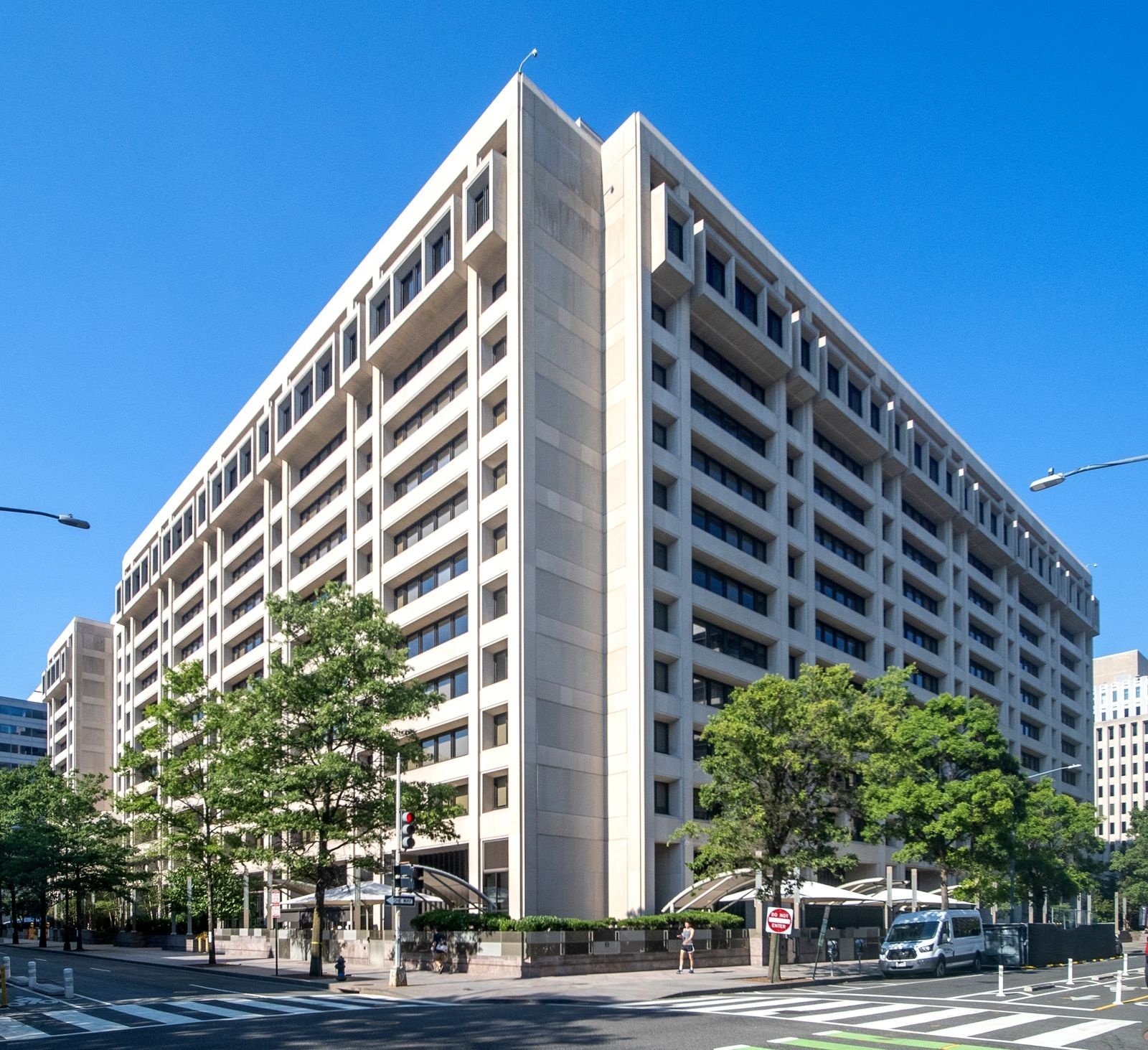
The International Monetary Fund (IMF) has signaled a significant downgrade to its global economic outlook, citing the ongoing war in Iran and the subsequent blockage of the Strait of Hormuz. Managing Director Kristalina Georgieva confirmed that the formal revision will be presented in the World Economic Outlook on April 14, 2026.
Key Economic Indicators
The conflict, which began on February 28, has fundamentally altered the trajectory of the global recovery:
-
Shrinking Supply: Global oil supply has contracted by 13%, while gas shipments face severe delays.
-
Growth Forecasts: The IMF had previously targeted 3.3% growth for 2026; this is now expected to be cut as the “energy shock” permeates multiple sectors.
-
Asymmetric Impact: While energy importers (85% of IMF members) suffer immediate fiscal strain, exporters are also reeling. Strikes in Qatar have damaged production facilities that may take 3 to 5 years to fully restore.
Sectors Under Pressure
Beyond crude oil, the IMF and the International Energy Agency (IEA) have identified critical disruptions across several supply chains:
-
Agriculture: Rising costs for fertilizers and phosphate are threatening global food security.
-
Industry: Supply chains for helium and aluminum are severely strained.
-
Infrastructure: The IEA reports that 72 energy facilities have been damaged, with one-third suffering “significant destruction.”
-
Services: Tourism is facing a downturn due to the sustained disruption of major flight hubs in the Gulf.
Global Coordination and Social Risks
In response to what they term “one of the largest supply shortages in global energy history,” a new coordination group has been formed by the IMF, World Bank, and IEA.
Warning on Social Unrest: Georgieva cautioned that low-income nations have little “fiscal room” left post-pandemic. Without the ability to cushion citizens from soaring fuel and food prices, the risk of widespread social instability is high.
The IMF has advised against broad energy subsidies, warning that they could further fuel the inflation they are intended to combat. Several unnamed member countries have already requested expanded lending programs to manage the crisis.
