

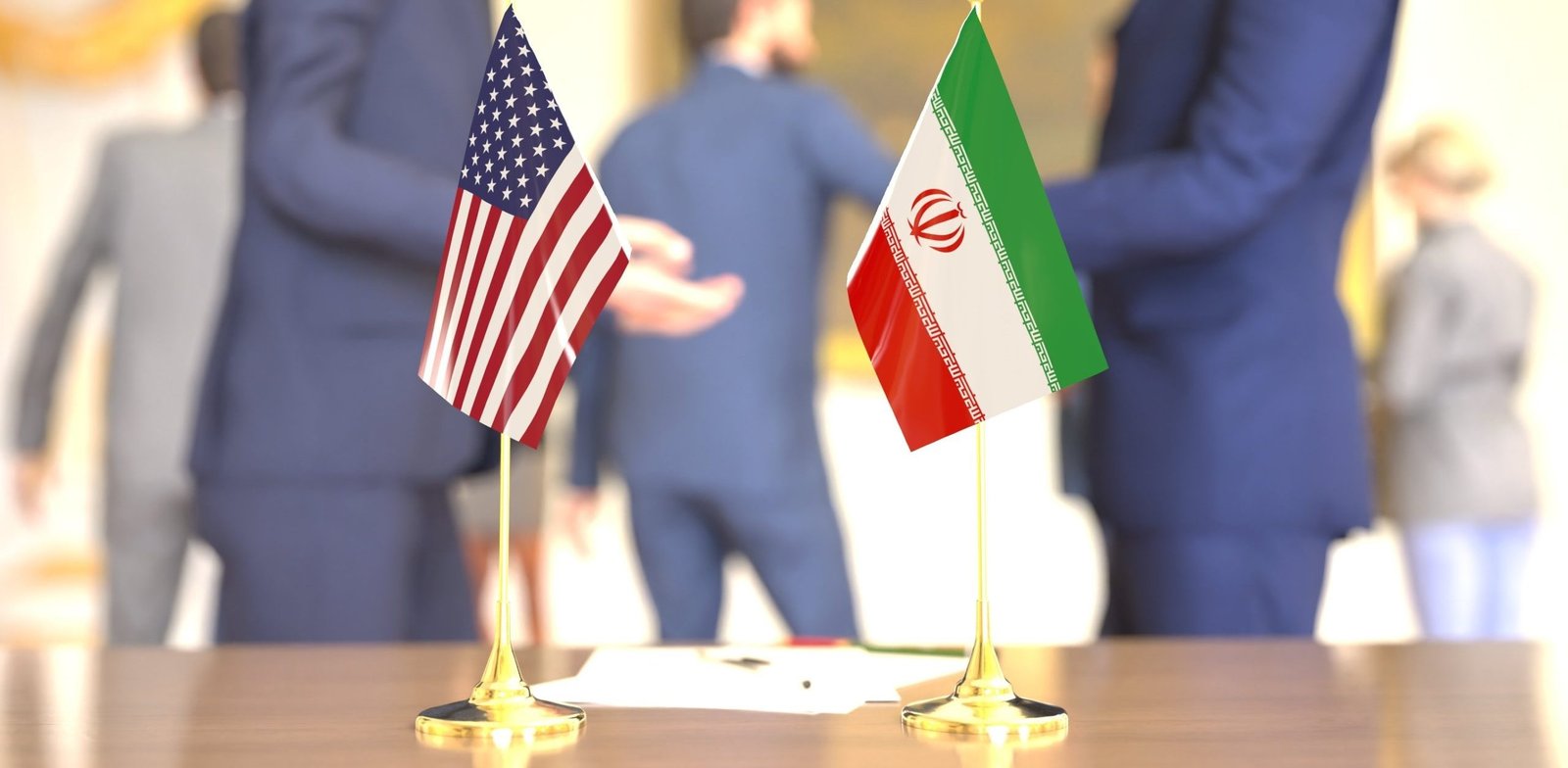
In a dramatic diplomatic development on the sidelines of the G7 summit, US President Donald Trump has signed a foundational peace agreement with Iran. The unexpected signing occurred during a private dinner hosted by French President Emmanuel Macron at the iconic Palace of Versailles, marking a potential end to a volatile 110-day military conflict in the Middle East that began with joint US-Israeli airstrikes on Iran on February 28.
French President Emmanuel Macron broke the news globally on X (formerly Twitter), confirming the treaty was finalized in Versailles. He emphasized that the agreement paves a clear pathway toward permanent peace and will stabilize global markets by immediately reopening critical maritime shipping lanes.
The Islamabad Memorandum: Core Terms of the Accord
Following immense pressure regarding the secrecy of the negotiations, US officials released the explicit wording of the document, formally titled the “Islamabad Memorandum of Understanding between the United States of America and the Islamic Republic of Iran.”
The agreement sets a strict timeline for rolling back military operations and economic blockades:
-
Immediate Ceasefire: An absolute, permanent termination of all active military operations across all fronts, explicitly extending to operations in Lebanon.
-
Lifting the Blockade (30 Days): The United States has committed to completely lifting its naval blockade on Iran within 30 days, allowing commercial maritime traffic to return to pre-war baselines.
-
Troop Withdrawal (30 Days): US military forces must completely withdraw from the immediate vicinity of Iranian territories within 30 days of a finalized, permanent agreement.
-
Safe Passage (60 Days): In return, Iran will implement logistical arrangements to guarantee the entirely free, safe passage of commercial vessels through local waters without charging transit fees for a period of 60 days.
Global Impact: Reopening the Strait of Hormuz
The most immediate tangible impact of the deal is the stabilization of global energy supplies. The reopening of the Strait of Hormuz—the world’s most critical chokepoint for crude oil transit—is expected to rapidly alleviate global energy inflation.
What Happens Next?
While the initial text is legally locked in, the hard work of building a permanent framework is just beginning. Tehran has adopted a cautious but cooperative stance, with Iranian Foreign Ministry spokesman Esmaeil Baqaei stating via state news agency IRNA, “Now it is time to test the implementation of the agreement.”
The diplomatic roadmap now enters a critical stabilization phase:
Geneva Diplomatic Meeting
