

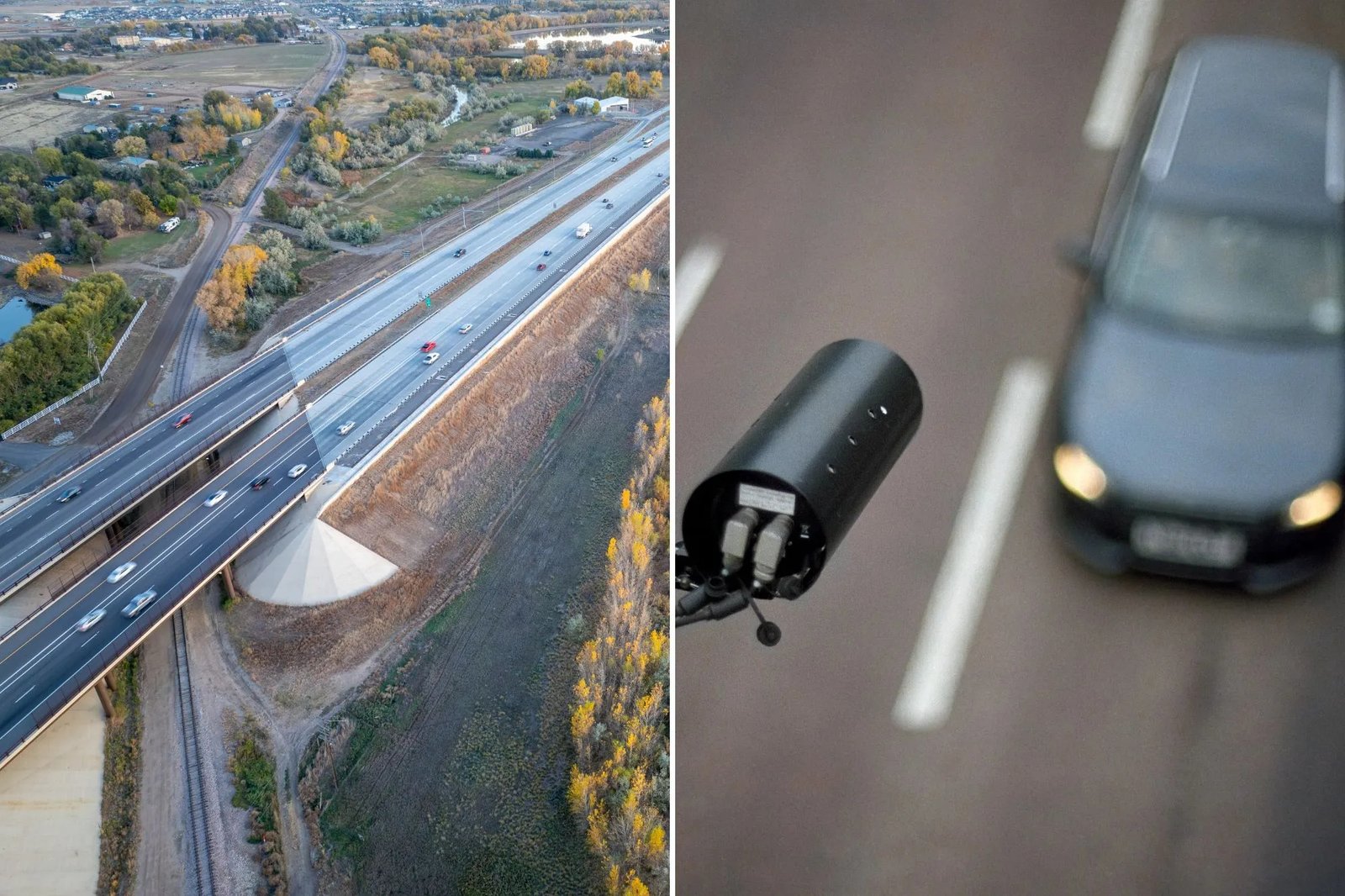
As AI-powered Automated Number Plate Recognition (ANPR) systems become the standard for Indian traffic enforcement, some motorists are turning to increasingly illegal methods to avoid speeding tickets. However, authorities warn that these “creative” solutions carry risks far beyond a simple fine.
The Hyderabad “Flipper” Case
A recent incident in Hyderabad has put traffic departments on high alert. During a routine check, police discovered a luxury car equipped with a remote-controlled mechanism that could swap between two different registration numbers in seconds.
The consequences for the driver went far beyond a traffic violation, resulting in:
-
Vehicle seizure.
-
Criminal charges, including cheating and impersonation.
-
Ongoing investigations into the workshops that installed the device.
Common (But Illegal) Tactics
Traffic departments are reporting several recurring methods used to confuse AI cameras:
| Method | How It Works | Why It Fails |
| Character Alteration | Changing a single digit or letter (e.g., turning a ‘3’ into an ‘8’). | Backend checks flag inconsistencies between the plate and the vehicle’s registered make/color. |
| Reflective Coatings | Using sprays or films to scatter infrared light/flash. | Modern cameras are calibrated to detect and filter out abnormal reflection patterns. |
| Non-Standard Fonts | Using “fancy” lettering or compressed spacing. | These are easily spotted by officers during manual inspections and roadside checks. |
| Cloned Plates | Using the registration number of a different vehicle. | Usually discovered when the innocent owner disputes a wrongful challan. |
Why the System Still Wins
Authorities emphasize that modern enforcement does not rely on a single photo. AI systems now use multi-point verification, including:
-
Visual Data: Cross-referencing the vehicle’s make, model, and color with the RTO database.
-
Movement Patterns: Tracking a vehicle’s progress across multiple camera angles.
-
Physical Records: Verifying engine and chassis numbers during manual stops.
The True Cost of “Cheating”
Attempting to dodge a speeding fine (usually a few hundred to a few thousand rupees) can lead to life-altering legal trouble:
-
Forgery & Forgery Charges: If intent to deceive is proven, drivers can face jail time.
-
Impoundment: Vehicles found with tampering devices are often seized immediately.
-
Blacklisting: Tampering can lead to the permanent blacklisting of the vehicle on the national Vahan portal.
With cities like Hyderabad and Delhi tightening their digital nets, the message from law enforcement is clear: it is significantly cheaper—and safer—to simply follow the speed limit.
