

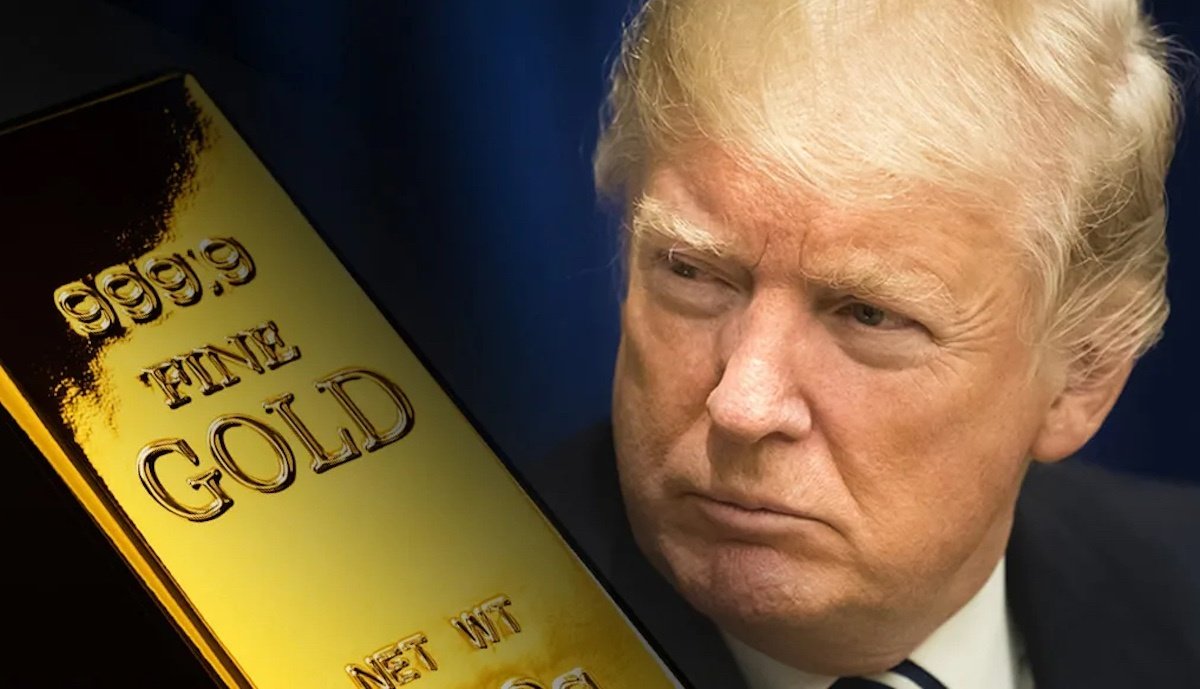
NEW DELHI — After nine consecutive sessions of relentless selling, gold prices staged a dramatic turnaround today, surging 4% to climb back above $4,550 an ounce. The sudden spike was triggered by President Trump’s hints of a diplomatic “present” from Iran, sparking a wave of “peace optimism” across global markets.
Despite today’s rally, the precious metal remains in a precarious position, sitting nearly 20% below its January 2026 peak of $5,626. This volatility has left investors questioning whether gold still functions as a reliable hedge or if it has become a “liquidity sponge” for a chaotic geopolitical climate.
The “Hormuz Bounce”
The primary catalyst for the price jump was the shift in rhetoric surrounding the Strait of Hormuz. As negotiations between Washington and Tehran appear possible as early as Thursday, traders moved quickly to cover short positions (bets that the price would fall).
-
Market Sentiment: Strategist Naveen PMT described the move as “classic headline risk volatility,” noting that the market is currently pivoting from “war panic” to “relief-driven buying.”
-
Technical Levels: Analysts are eyeing $4,600 as the critical resistance level. If gold fails to hold this ground, prices could slide back toward the $4,100 mark.
Why Gold Fell During a Crisis
In a counterintuitive twist, gold prices dropped sharply during the initial weeks of the US-Israel-Iran conflict—a time when “safe-haven” assets usually shine. Dr. Renisha Chainani, Head of Research at Augmont, explains that liquidity dynamics are currently overrunning traditional patterns.
“During acute stress, investors sell their most liquid assets, like gold, to raise cash,” Chainani noted. “The short-term reaction is driven more by liquidity shocks than traditional safe-haven flows.”
Key Factors Pressuring Gold:
-
High Interest Rates: Persistent inflation driven by high oil prices has led to a “higher-for-longer” rate environment, which usually makes non-yielding assets like gold less attractive.
-
Dollar Strength: A robust US dollar has historically acted as a headwind for gold prices.
-
Central Bank Consolidation: After two years of aggressive buying, some central banks have moderated their accumulation, though they remains net buyers for the long term.
The $5 Trillion Question
In India, where household gold holdings are estimated at a massive $5 trillion, the recent price swings have significant implications. However, experts argue that gold’s structural role remains unchanged. It continues to serve as a “cultural asset” and an “emergency liquidity buffer” with zero counterparty risk.
The Verdict: While gold is currently behaving like a high-risk asset due to geopolitical “mood swings,” analysts believe it will reassert its role as a hedge against currency debasement once the current liquidity shock stabilizes.
