

The “two-week ceasefire” hailed as a historic breakthrough just yesterday has been pushed to the breaking point within hours of taking effect. Despite the Islamabad Accord frameworks and President Trump’s declarations of “complete victory,” military strikes have resumed, expanding the conflict’s geography to include previously uninvolved Gulf nations.
The Attack on Lavan Island
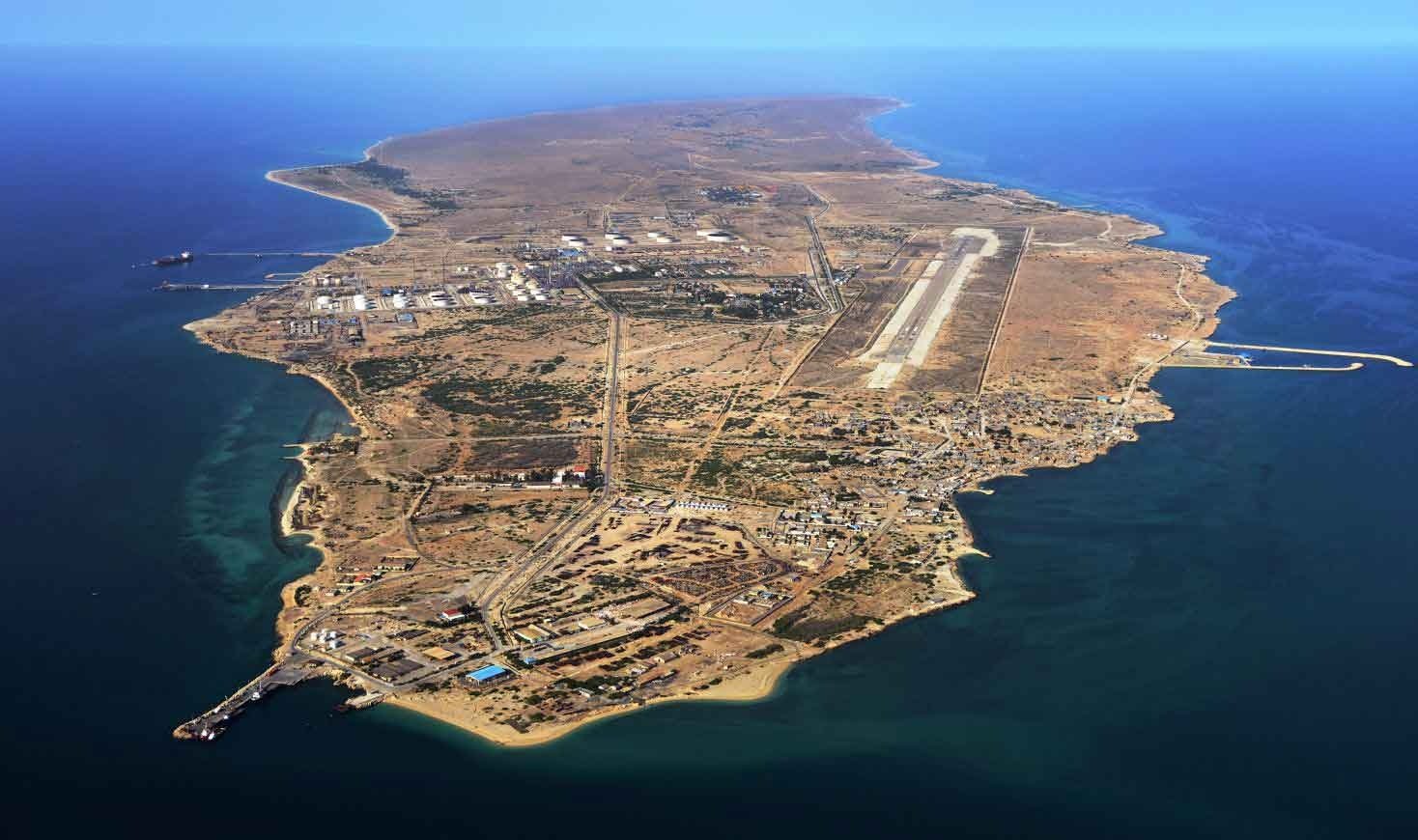
At approximately 10:00 local time on Wednesday, the Lavan Island refinery, a key node in Iran’s oil processing infrastructure, was hit by what Tehran officials are calling an “enemy attack.”
-
The Damage: NASA satellite imagery has confirmed active fires on the island. While the National Iranian Oil Refining and Distribution Company reported no casualties, the facility’s operations are reportedly crippled.
-
The Culprit: While no party has officially claimed responsibility, the timing—falling just after the ceasefire began—suggests a breakdown in coordination or a deliberate sabotage of the diplomatic process by hardline elements.
Iran Retaliates: Kuwait and UAE Under Fire
In a significant and dangerous escalation, Iran appears to have responded to the Lavan Island strike by targeting regional neighbors. Reports indicate that Kuwait and the United Arab Emirates (UAE) have been struck, marking a departure from the localized US-Iran-Israel theater.
This move likely reflects Tehran’s long-standing warning that if its infrastructure is targeted, its neighbors’ energy facilities will not be safe. The strikes on Gulf Arab countries threaten to draw more regional powers into a war that the UN and China have been “tirelessly” trying to contain.
The Diplomatic Disconnect
The resumption of violence highlights a glaring gap between the rhetoric in Washington and the reality on the ground:
| Presidential Claim (Truth Social/AFP) | Reality on the Ground |
| “Total and complete victory” | Attacks on Iranian soil continue; US allies in the Gulf are now being targeted. |
| “Safe opening of the Strait of Hormuz” | New strikes on Kuwait and UAE make maritime traffic in the Gulf even more perilous. |
| Uranium “perfectly taken care of” | No formal mechanism for monitoring enrichment has been established for this two-week window. |
Trump’s Shifting Demands
Observers note that the latest ceasefire terms are notably more lenient than Trump’s previous “unconditional surrender” demands. The requirements for Iran to halt its missile program or stop supporting regional proxies—core pillars of previous US policy—were conspicuously absent from the 10-point plan Trump labeled “workable” yesterday.
This perceived softening may be driving the current chaos. Hardliners on both sides, including those within the Israeli leadership who pointedly excluded Lebanon from the truce, may be acting to ensure the ceasefire fails before the formal negotiations begin in Islamabad this Friday.
What This Means for Friday
The strikes on Lavan, Kuwait, and the UAE have cast a dark shadow over the upcoming peace talks.
-
Trust Deficit: It is unclear if Mojtaba Khamenei can maintain his order for the IRGC to “stop firing” if Iranian territory is still being hit.
-
Regional Stakes: Kuwait and the UAE, previously seen as mediators or observers, are now direct stakeholders in the ceasefire’s success.
-
Oil Volatility: After a brief 13% drop, global oil prices are expected to skyrocket as the “safe opening” of the Strait of Hormuz looks increasingly unlikely.
The world now waits to see if President Trump will issue a new “deadline” or if the Pakistani mediators can salvage the Islamabad summit before the two-week ceasefire ends in its first 24 hours.
