

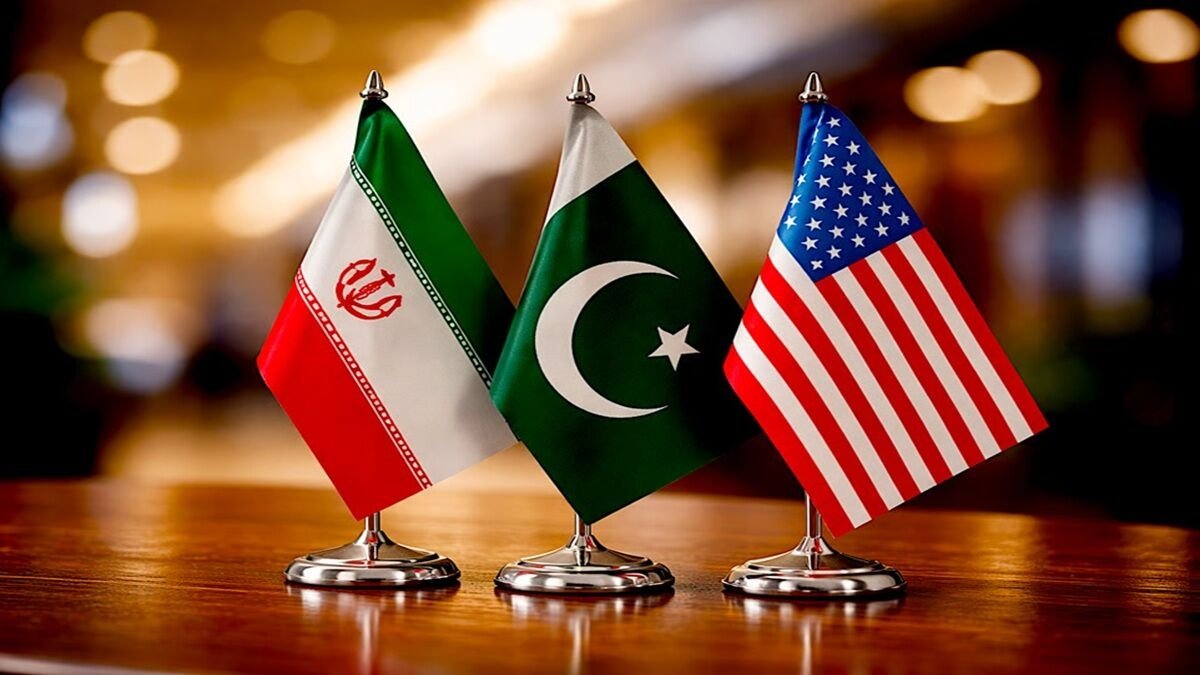
This second report provides a fascinating, “behind-the-scenes” look at the intense diplomatic maneuvers that occurred while the world was bracing for a massive escalation. It highlights a stark contrast between the public threats and the frantic, multi-lateral efforts to secure a pause in hostilities.
Here is a summary and rewrite focusing on these new details:
The Islamabad Handshake: Inside the 90-Minute Miracle
While the public watched a countdown to “civilizational destruction,” a chaotic and unprecedented diplomatic machine was working to halt the gears of war. The ceasefire reached on Tuesday was not merely a result of military leverage, but a high-stakes collaboration involving the new leadership in Tehran, mediators in Pakistan, and a silent push from Beijing.
The Shadow Leader Emerges
For the first time since the war began on February 28, the “buck stopped” with Mojtaba Khamenei. Having succeeded his father, Ali Khamenei, after a fatal airstrike at the war’s onset, Mojtaba has remained largely invisible to avoid assassination. Communicating solely through handwritten notes passed by runners, he reportedly provided the critical “green light” that allowed Iranian negotiators to move toward a deal.
According to Axios, this was the essential breakthrough; without his blessing, the Revolutionary Guard commanders would likely have continued their “defensive operations” regardless of the diplomatic cost.
The “Chaotic” Monday Negotiations
The path to the truce was anything but smooth. While President Trump was attending an Easter celebration at the White House, his special envoy, Steve Witkoff, was reportedly “very angry” over initial Iranian counter-proposals, describing them as a “disaster.”
The day that followed was a masterclass in modern mediation:
-
The Pakistan-Hungary Pipeline: Vice President JD Vance coordinated from Hungary, dealing directly with Pakistani officials.
-
The Middlemen: Pakistani mediators shuttled drafts between Witkoff and Iranian Foreign Minister Abbas Araghchi, while Egyptian and Turkish ministers worked to bridge the widening gaps.
-
The Chinese Influence: Beijing reportedly advised Tehran to seek an “off-ramp,” leveraging its position as Iran’s primary trade partner to ensure the conflict did not spiral into a total regional collapse.
The Final 15 Minutes
Despite the “general consensus” for a deal reached by Tuesday noon, the world remained on edge as President Trump issued his final, most harrowing threat. The tension only broke when Pakistani Prime Minister Shehbaz Sharif published the formal terms on X (formerly Twitter).
Trump’s public acceptance of the offer—followed by a direct call to Pakistani Field Marshal Asim Munir—triggered the stand-down order for US forces just 15 minutes later.
Current Snapshot
| Player | Action Taken |
| US Military | Ordered to stand down 15 minutes after the President’s post. |
| Iran | Guaranteed safe maritime traffic through the Strait of Hormuz. |
| Pakistan | Hosting formal delegations from both sides in Islamabad this Friday. |
| Israel | PM Netanyahu signaled that Lebanon is excluded from this specific pause. |
The Bottom Line: For the moment, the “whole civilization” threat has been shelved. However, with Mojtaba Khamenei still in hiding and Netanyahu signaling continued operations in Lebanon, the Islamabad summit on Friday will be the true test of whether this two-week ceasefire is a genuine peace or a temporary stay of execution.
