

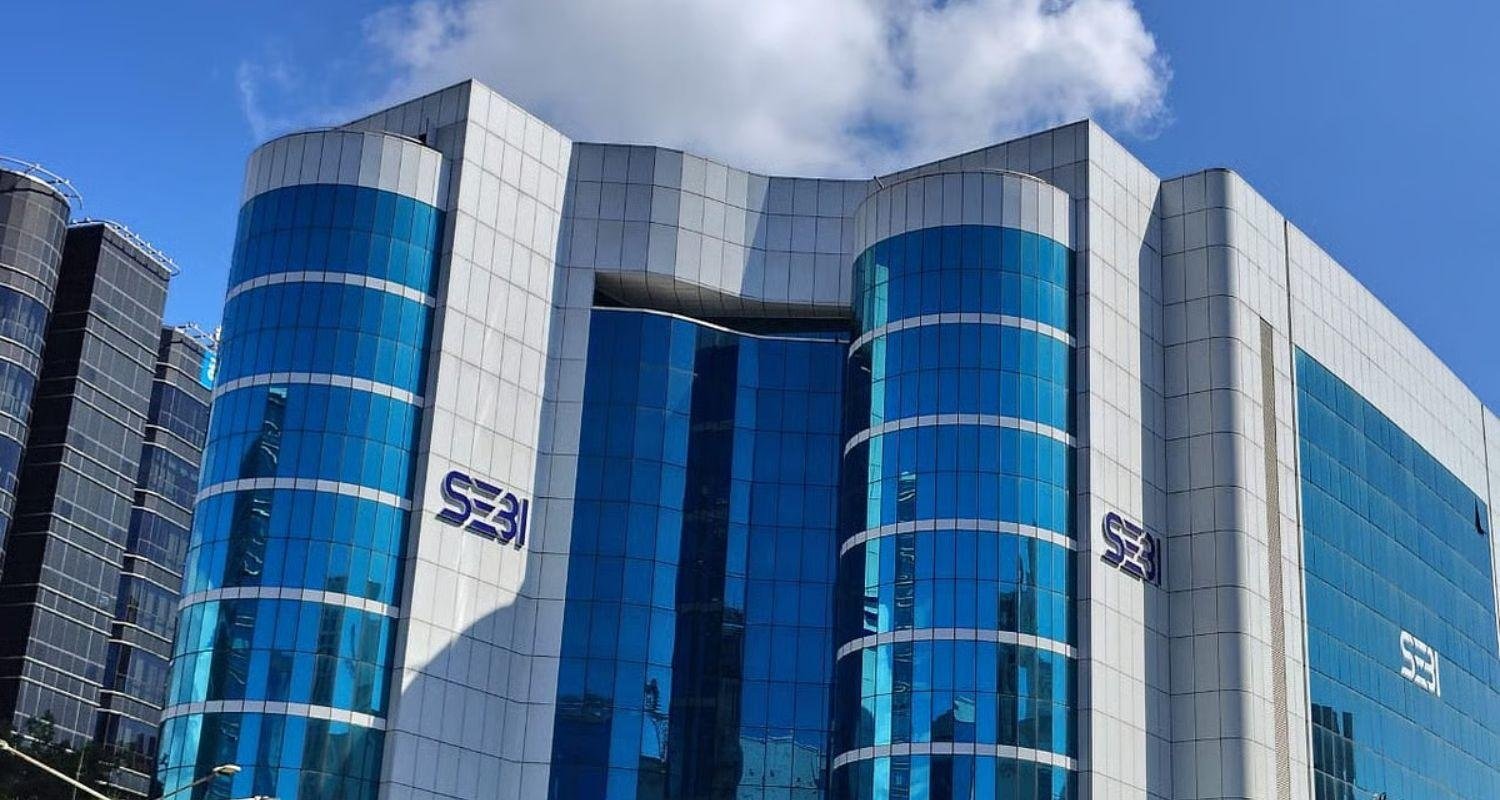
The structural facade surrounding Rajesh Exports—once celebrated as India’s largest gold exporter and a prominent Fortune 500 company—is completely unraveling. A series of regulatory penalties, massive banking defaults, and evidence of fabricated accounting have exposed an intricate web of financial manipulation led by controversial businessman Rajesh Mehta.
A deep dive into recent enforcement actions by the Securities and Exchange Board of India (SEBI), active debt recovery proceedings by Canara Bank, and exposure from public institutions like LIC reveals how deep the rot goes.
1. SEBI Exposes a Massive ₹15 Lakh Crore Mirage
In a damning, 109-page forensic enforcement order, the markets regulator revealed that Rajesh Exports engaged in systematic revenue inflation on an unprecedented scale.
-
The Manipulation: The company artificially inflated its financial accounting books, projecting a staggering ₹15 lakh crore in fabricated revenue over multiple financial cycles.
-
The Objective: This artificial volume expansion was designed to project an image of a high-liquidity, high-volume global gold conglomerate, maintaining an inflated stock valuation to keep attracting institutional and public capital.
2. Canara Bank’s ₹2,458 Crore Default Blueprint
While the company was projecting robust, multi-trillion revenue sheets to the public, it was simultaneously running massive loan defaults with state-run lenders.
Data submitted by Canara Bank to credit rating agency TransUnion CIBIL reveals that Rajesh Exports owes the bank a total of ₹2,458 crore. Interestingly, the banking exposure is meticulously engineered and split into six identical loan entries of ₹409 crore each.
To reclaim these massive non-performing assets (NPAs), Canara Bank is currently fighting a civil recovery suit at the Debt Recovery Tribunal (DRT) in Chennai. The bank has targeted three key directors who served as personal guarantors for these loans:
-
Rajesh Mehta (Promoter/Head)
-
Prashant Mehta
-
S. Paramasivan
3. The Swiss Connection and “Fake Bills”
In a brazen legal counter-maneuver, Rajesh Exports filed a counter-claim inside the DRT against Canara Bank, demanding ₹20,456 crore in damages for alleged commercial losses caused by the lender.
However, the DRT completely dismissed the company’s multi-crore claim after judicial scrutiny exposed a pattern of forgery. The tribunal observed that:
-
Rajesh Exports produced fake trade invoices and fabricated bills to justify its transactional records.
-
The company actively diverted credit facilities secured from Canara Bank out of India, routing the funds directly through its overseas subsidiary gold refinery, Valcambi SA, located in Switzerland.
The Regulatory Blind Spot: Despite the DRT noting as early as 2023 that Rajesh Exports used forged documentation and illicitly funneled funds abroad, Canara Bank has restricted its legal actions to a civil recovery framework. Why the public sector bank has not formally approached the Central Bureau of Investigation (CBI) or the Enforcement Directorate (ED) for a criminal probe remains a gaping, unresolved anomaly.
4. The LIC Investment Paradox
Adding fuel to the fire, SEBI’s extensive investigation highlighted that the state-owned Life Insurance Corporation of India (LIC) holds a substantial 10.8% equity stake in the tainted gold exporter.
Given that public sector insurance funds are tightly bound by strict risk-management frameworks, LIC’s massive exposure to a company utilizing circular trading and fabricated invoicing has raised severe questions regarding the lack of due diligence and potential backroom political patronage that allowed public money to keep propping up a corporate mirage.
