

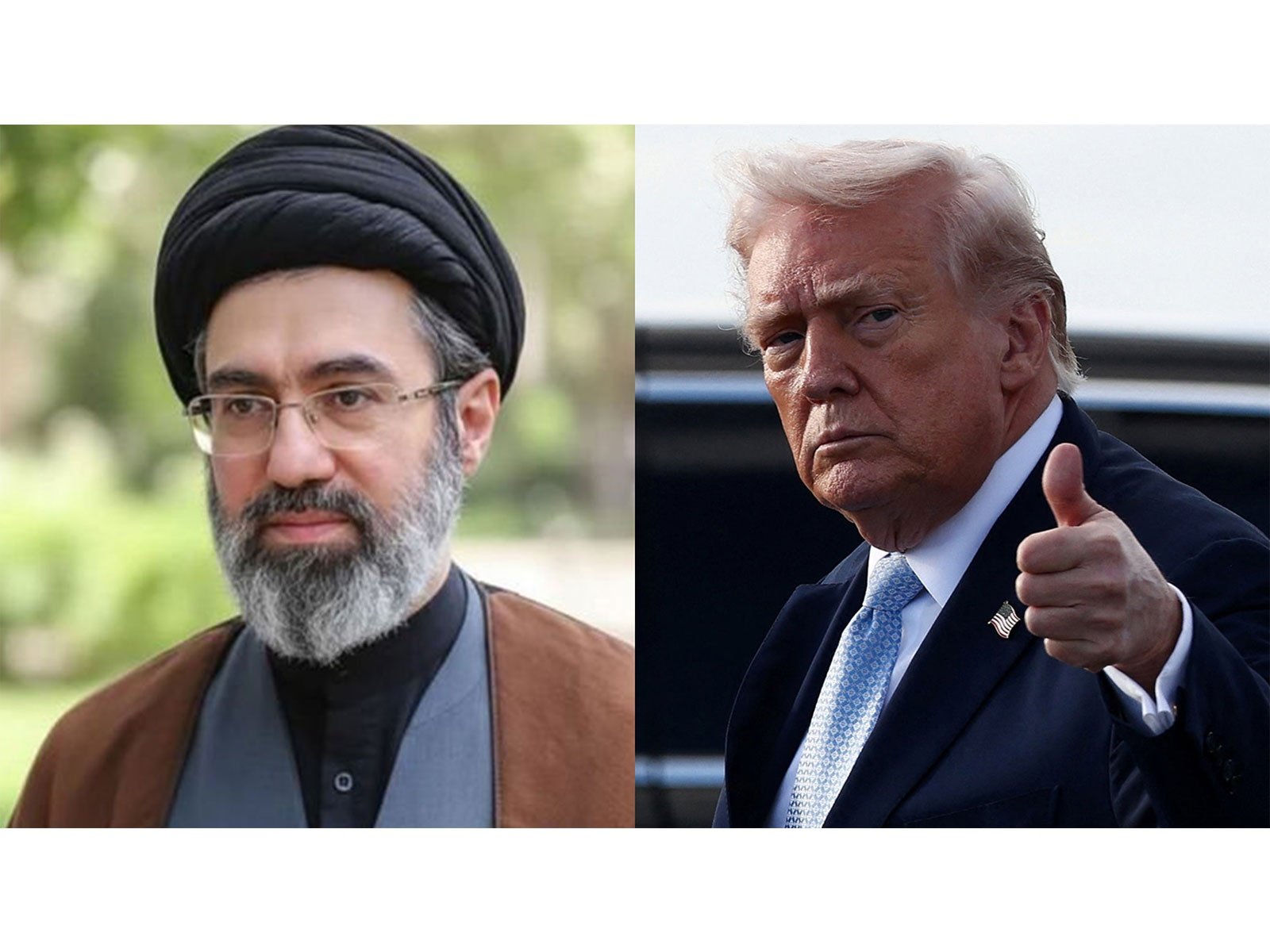
A potential diplomatic breakthrough in the three-month-old Middle East conflict has emerged with a proposed one-page Memorandum of Understanding (MOU). While President Donald Trump has expressed optimism that a deal is “very possible,” he has simultaneously warned of intensified bombing should negotiations fail.
The memo acts as a “thin” framework designed to halt the “hot war” and initiate a 30-day intensive negotiation period to be held in either Islamabad or Geneva.
Key Provisions of the 14-Point Memo
According to leaks from Washington and mediators in Pakistan, the draft contains several high-stakes trade-offs:
For Iran: Nuclear & Maritime Constraints
-
Enrichment Moratorium: Iran would commit to a moratorium on uranium enrichment for a period currently being negotiated (likely between 12 to 15 years).
-
Weaponization Ban: A permanent commitment never to seek nuclear weapons or conduct weaponization activities.
-
Facility Restrictions: A clause prohibiting the operation of underground nuclear facilities.
-
Enhanced Inspections: Agreement to a rigorous inspection regime, including “snap inspections” by UN officials.
-
Material Removal: A key US demand involves Iran removing its highly enriched uranium from the country, potentially transferring it to the US.
-
Maritime Access: Lifting restrictions on transit through the Strait of Hormuz.
For the United States: Sanctions & Assets
-
Sanctions Relief: A commitment to gradually lift economic sanctions imposed on Iran.
-
Release of Funds: The unfreezing of billions of dollars in Iranian assets currently held in global accounts.
-
Reciprocal Transit: Lifting US-led restrictions on maritime traffic in the region.
The Negotiation Landscape
The deal is being spearheaded by US envoys Steve Witkoff and Jared Kushner, who are communicating with Iranian officials both directly and through intermediaries.
| Stance | Key Quote / Sentiment |
| Donald Trump | “If Iran agrees to give what has been agreed to, the war would be over… if not, the bombing would resume at a much higher level.” |
| Marco Rubio | Noted the complexity, stating the US needs a clear diplomatic solution on what Iran is willing to concede at the “front end.” |
| Iran (Parliament) | Speaker Ghalibaf warned that the US is using economic pressure and naval blockades to force a “surrender.” |
| Iran (Foreign Ministry) | Stated the proposal is “under review” and views will be communicated via Pakistan within 48 hours. |
Risks and Uncertainties
Despite the progress, significant hurdles remain:
-
Fractured Leadership: US officials are skeptical about whether the Iranian leadership—split between moderate and hardline factions—can reach a consensus.
-
The “30-Day” Clock: Many terms are contingent on a final agreement being reached within a month of signing the MOU, leaving a narrow window for success.
-
Enforcement: The US seeks a “snap-back” style provision where any Iranian violation would automatically prolong the enrichment moratorium.
Current Status: Negotiators in Washington are expecting a formal response from Tehran on these 14 points within the next 48 hours.
