

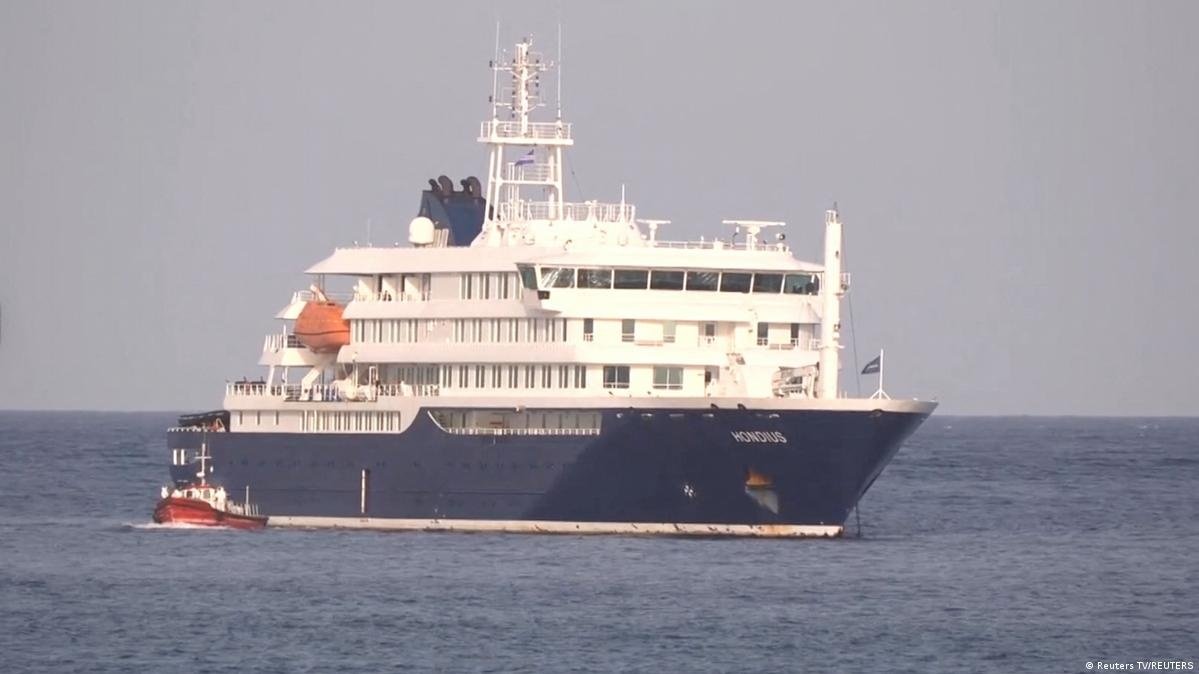
The medical community is on high alert following the confirmation that the Andes virus (ANDV) is the culprit behind the recent fatalities and illnesses aboard the MV Hondius. This development is particularly significant because, of the roughly 38 known hantavirus species, the Andes strain is the only one documented to bypass the typical “rodent-to-human” boundary and spread between people.
Current Status of the Atlantic Outbreak
The crisis originated in April 2026 during the vessel’s transit from Argentina across the South Atlantic.
-
Caseload and Fatalities: As of May 7, 2026, health authorities have identified 8 cases (5 confirmed, 3 suspected) and 3 deaths.
-
The Index Case: The outbreak is traced back to a Dutch couple who likely contracted the virus during a birdwatching expedition in South America before embarking on the cruise on April 1.
-
Geographic Reach: Infected individuals have been evacuated to specialized facilities in South Africa, the Netherlands, and Switzerland.
-
Vessel Location: The ship is currently anchored off Cabo Verde after being denied entry by the Canary Islands.
The Uniqueness of the Andes Strain
Unlike most hantavirus variants, which are “biological dead ends” once they infect a human, the Andes strain possesses rare transmission characteristics.
-
Intimate Transmission: While standard strains require the inhalation of aerosolized rodent waste, the Andes strain can spread through prolonged, intimate contact, such as sharing food, beds, or living quarters.
-
Limited Threat: Health officials maintain that this transmission is extremely rare and does not occur through casual contact or in open, public environments.
-
Geographic Origin: The strain is native to Argentina and Chile, where it is known to occasionally cause localized clusters within families.
Clinical Profile: Symptoms and Risks
Hantavirus is a severe zoonotic disease that progresses rapidly if not caught early.
| Feature | Details |
| Transmission | Inhalation of rodent aerosols (all strains) or intimate contact (Andes only). |
| Early Phase | Fever, chills, and intense muscle aches (thighs, hips, and back). |
| Late Phase | Hantavirus Pulmonary Syndrome (HPS): Severe shortness of breath as lungs fill with fluid. |
| Treatment | No specific antiviral exists; requires intensive supportive care and oxygen. |
| Fatality Rate | High; early hospitalization is the primary factor in survival. |
The Global Response
South African Health Minister Aaron Motsoaledi has initiated contact tracing for 62 individuals who may have been exposed at transit points or medical centers. The WHO has emphasized that while the shipboard cluster is a serious medical event, the risk of a broader pandemic remains low due to the virus’s fragile nature and its requirement for very close contact to spread.
Efforts are currently focused on containment and ensuring that this unique strain does not establish a foothold outside its native South American range.
