

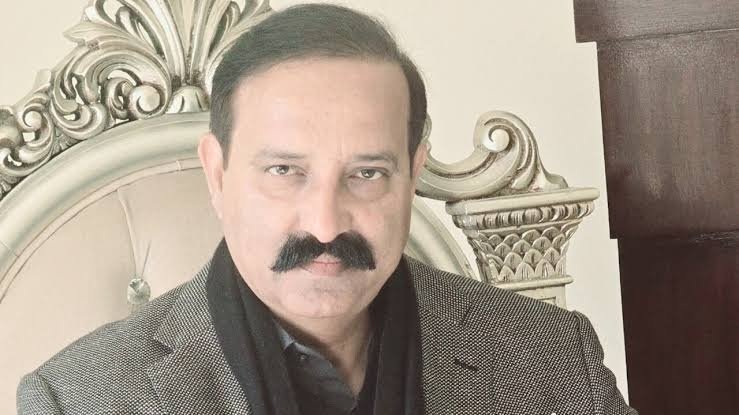
A former minister from Pakistan-occupied Kashmir (PoK) accused of child rape and human trafficking as part of a 1990s Manchester grooming gang has won a parliamentary seat in PoK, according to a report by The Guardian.
Rukhsar Ahmed, 62, secured election to the legislative assembly as a candidate for Pakistani Prime Minister Shehbaz Sharif’s party, despite facing serious criminal allegations and an active police investigation in the United Kingdom.
Arrest and Legal Status in the UK
-
Airport Arrest: Ahmed was arrested on July 18, 2024, at Manchester Airport over allegations of child sexual abuse and trafficking dating back to the 1990s in the Rusholme area of Manchester, where he lived for years.
-
Allegations: Two women came forward claiming Ahmed was involved in raping and trafficking them when they were young girls. Detectives learned of his political background during questioning.
-
Bail Conditions: Released on police bail pending further investigation, Ahmed avoided travel restrictions after a UK judge struck down tougher bail conditions in July 2024.
Campaigning in PoK Despite Skipping Bail
-
“Too Unwell to Fly”: Ahmed failed to answer his UK bail obligations in July, claiming he was too unwell to travel back to Britain.
-
Active Campaigning: Despite his claimed medical condition, Ahmed was actively spotted attending and speaking at public election rallies in Mirpur, PoK.
-
Extradition Threat: Ahmed is expected to report for bail within the next six weeks. If he fails to appear, Greater Manchester Police may issue an arrest warrant or initiate formal extradition proceedings.
Background: UK Grooming Gang Scandal
The charges against Ahmed fall under the broader context of the UK’s “grooming gangs” scandal, which involved organized networks—predominantly composed of men of Pakistani heritage in northern English towns—targeting, grooming, and abusing underage girls over several decades.
A landmark 2014 report by Professor Alexis Jay revealed that over 1,400 children were sexually exploited in Rotherham alone between 1997 and 2013, highlighting widespread institutional failures and delays in police response.
