

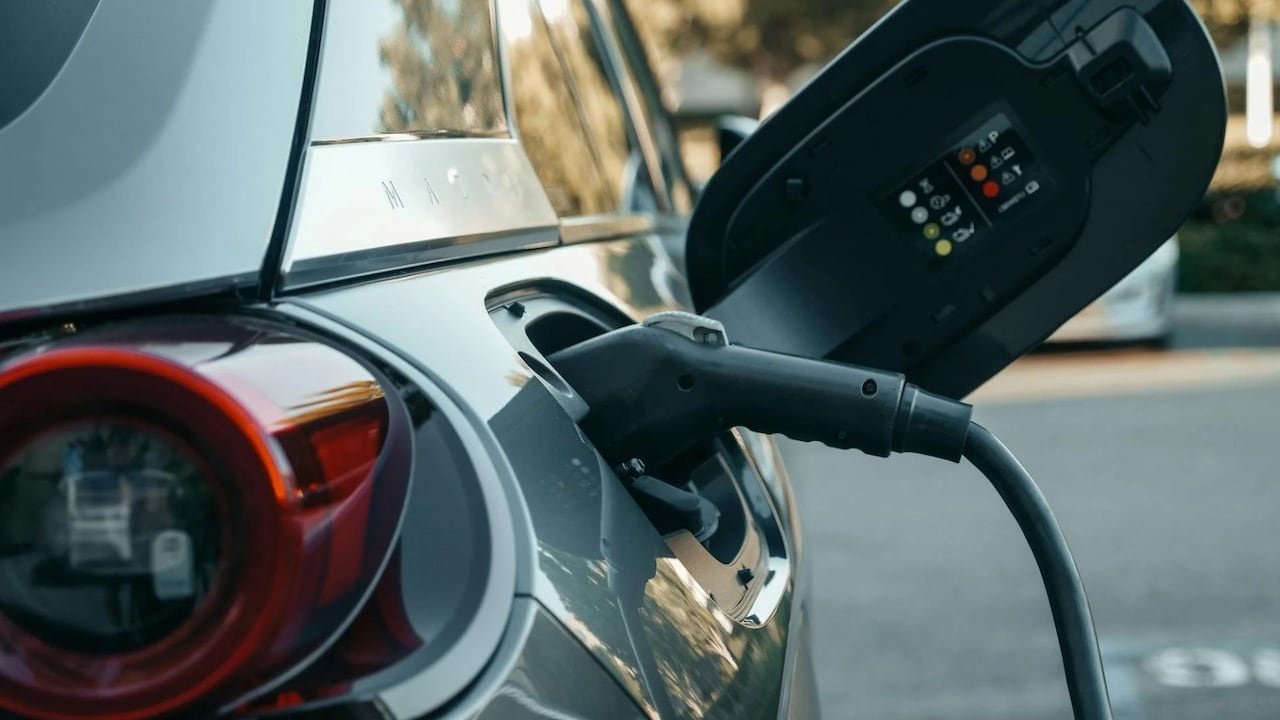
The Municipal Corporation of Delhi (MCD) is launching a major initiative to boost the city’s electric vehicle (EV) infrastructure by building large-scale, dedicated EV charging hubs. Unlike the scattered, standalone chargers currently available, these hubs will be centralized at high-footfall public areas, including MCD-operated parking lots near Metro stations, commercial complexes, and major local markets.
The initiative aims to expand Delhi’s existing network of roughly 470 EV charging and battery-swapping stations to keep pace with rapid EV adoption.
Core Features of the Proposed EV Hubs
-
High Capacity: Each dedicated hub will feature more than 25 charging points at a single location.
-
Mixed Charging Speeds: Facilities will offer a combination of fast chargers for quick top-ups in busy zones and slow chargers optimized for vehicles parked for extended durations.
-
Two-Wheeler Support: Alongside standard plug-in terminals for electric cars, the hubs will incorporate battery-swapping facilities tailored specifically for electric two- and three-wheelers.
-
On-Site Security: Because these large-format hubs require significant capital investment, operators will be required to provide dedicated security measures, including fencing and security guards, to protect the expensive equipment.
Project Execution and Current Status
The MCD is leveraging public sector expertise to roll out the infrastructure efficiently.
-
PSU Collaboration: The civic body invited infrastructure proposals from 10 prominent Public Sector Undertakings (PSUs).
-
Active Bids: Two PSUs have formally submitted detailed plans that are currently under administrative evaluation. One proposal outlines a hub with 30 charging points, while the second outlines a facility with 27 chargers.
By strategically integrating these hubs into locations where drivers naturally park, the city hopes to seamlessly blend EV charging into the daily routines of Delhi’s commuters.
