

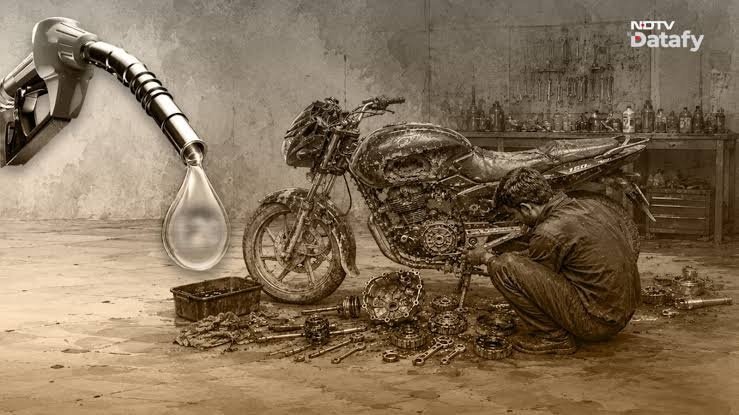
As India accelerates its transition toward E20 petrol (a 20% ethanol blend with gasoline), vehicle owners—particularly those driving older BS-III models—need to be aware of how the higher ethanol content impacts vehicle components.
In a statement to the Rajya Sabha on July 29, 2026, Nitin Gadkari, Union Minister of Road Transport & Highways, confirmed that while E20 blending may cause a minor drop in fuel efficiency, certain rubber parts and gaskets in older vehicles may require replacement during routine servicing.
Which Vehicles Are Affected?
-
Target Group: BS-III vehicles introduced from April 1, 2005, and manufactured prior to 2016.
-
Impact Level: Routine wear and tear on fuel-system components; manageable during regular service schedules.
Parts and Materials Most Vulnerable to E20
According to a study conducted by the Automotive Research Association of India (ARAI), higher ethanol exposure alters the physical properties of elastomers (rubbers) and plastics used in fuel-system components.
1. Key Components at Risk
-
Rubber hoses and fuel pipes
-
Gaskets and O-rings
-
Seals
-
Fuel-pump components
2. Materials & Technical Findings
| Material | Component Usage | Effect of E20 Exposure |
| PVC / NBR Blend | Fuel hoses & seals | 59% drop in elongation (compared to 41% with standard petrol), causing reduced flexibility. |
| Epichlorohydrin | Seals & gaskets | 58% drop in elongation (compared to 46% with standard petrol). |
| PBT (Polybutylene Terephthalate) | Fuel-system plastics | Reduction in tensile strength, making components less resilient under pressure. |
| PA66 (Polyamide 66) | Structural fuel parts | Significant volume expansion, causing material swelling and potential sealing failures. |
Why Do These Changes Cause Damage?
-
Hardening & Brittleness: Loss of flexibility causes rubber components to become brittle over time, leading to cracking and fuel leaks.
-
Reduced Tensile Strength: Weakens structural plastic parts, making them prone to failure under pressure.
-
Swelling & Distortion: Fuel absorption expands materials, disturbing the tight fit of gaskets and O-rings, leading to leaks or pressure losses.
Maintenance Advice for Owners
For owners of BS-III vehicles, replacing affected rubber lines, O-rings, and gaskets with E20-compliant materials during routine service checks is an easy and preventive way to ensure reliable performance.
