
US President Donald Trump has implemented new Section 301 tariffs ranging from 10% to 12.5% on 60 trading partners, citing their failure to adequately prohibit or enforce bans on goods produced using forced labor.
The measure takes effect as the temporary 10% global import levy—introduced following a February Supreme Court ruling that struck down the administration’s earlier “Liberation Day” emergency tariffs—expires.
Breakdown of the New Tariff Rates
The Office of the US Trade Representative (USTR) established two primary tariff brackets based on how trading partners regulate forced-labor imports:
-
12.5% Levy: Applied to nations that lack explicit laws or prohibitions barring the import of goods made with forced labor. This category includes major economies like China, Japan, and the United Kingdom.
-
10% Levy: Reserved for economies that have enacted forced-labor import bans, committed to enforcing them via trade agreements, or established partial frameworks to restrict such goods. India, Canada, Mexico, Sri Lanka, and members of the European Union fall into this category.
Why India Was Placed in the 10% Bracket
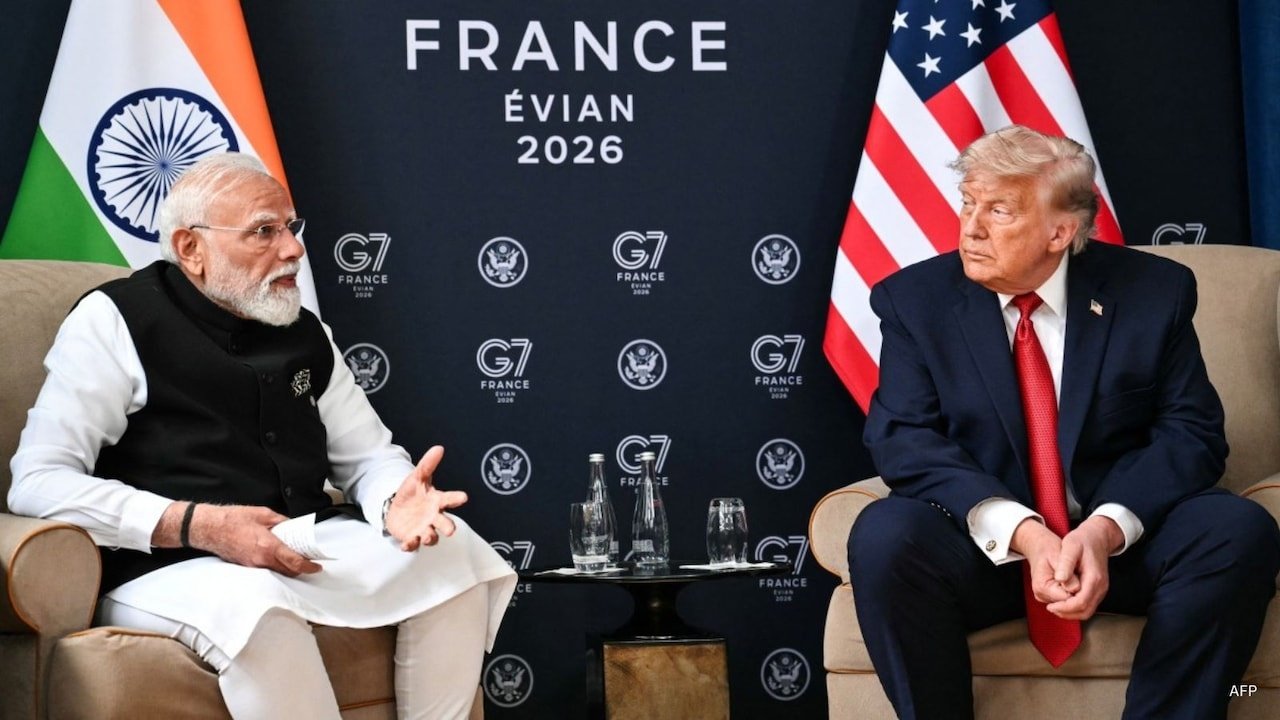
India was initially slated to face the higher 12.5% penalty tariff when the USTR first proposed the measures. However, following bilateral discussions and policy adjustments by New Delhi, the US placed India in the lower 10% category.
Key Factors Behind the Rate Reduction:
-
Foreign Trade Policy Amendment: In response to the proposed US action, India amended its Foreign Trade Policy (FTP) through the Directorate General of Foreign Trade (DGFT). The updated regulations explicitly prohibit the importation of goods manufactured wholly or partly using forced labor and grant authorities power to investigate violations.
-
Constructive Engagement: Constructive trade talks between Washington and New Delhi demonstrated India’s commitment to aligning its import standards with global anti-forced-labor frameworks.
As a result, total US import levies on Indian goods will remain effectively capped at 10%, replacing the expiring temporary levy rather than adding an extra layer on top.
Exemptions and Legal Framework
The Trump administration invoked Section 301 of the Trade Act of 1974, a statutory tool previously used against China that carries greater resistance to legal challenges than emergency powers.
-
Key Exemptions: Specific categories remain exempt from the new levies, including goods covered under the US-Mexico-Canada Agreement (USMCA), crude oil, natural gas, and essential fertilizers.
-
Next Steps: Reports indicate the administration is preparing additional Section 301 investigations targeting nations accused of subsidizing excess manufacturing capacity.
