

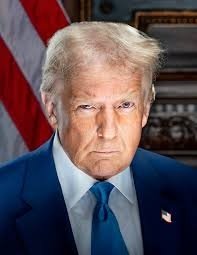
In a dramatic departure from a 165-year-old tradition, the U.S. Treasury announced on Thursday, March 26, 2026, that President Donald J. Trump’s signature will soon appear on all new U.S. paper currency. This marks the first time in history that a sitting president’s signature will be featured on official legal tender.
To accommodate this change, the signature of the U.S. Treasurer will be removed, ending a practice established in 1861.
The Anniversary Connection
The Treasury Department has framed this move as a centerpiece of the United States’ 250th anniversary (Semiquincentennial) celebrations.
-
The Timeline: The first bills to feature the new signatures—those of President Trump and Treasury Secretary Scott Bessent—will be $100 notes, scheduled for printing in June 2026.
-
Phased Rollout: Other denominations ($1, $5, $10, $20, and $50) are expected to follow in subsequent months.
-
The Goal: Treasury Secretary Bessent stated the move recognizes the “historic achievements” of the country and the current administration’s economic policies.
Breaking the 1861 Tradition
Historically, U.S. banknotes have carried two signatures: the Treasurer of the United States and the Secretary of the Treasury.
-
The Precedent: Since the first federal paper money was issued during the Civil War in 1861, the Treasurer’s signature has been a constant fixture.
-
The Last Treasurer: Brandon Beach, the current U.S. Treasurer, will be the last official to have his role represented in this way before the signature is phased out for the Trump-Bessent pairing.
Additional 250th Anniversary Currency
This signature change is part of a broader push to feature the President on American currency for the anniversary year:
-
Commemorative Gold Coin: A 24-carat gold coin featuring Trump’s image was recently approved. It depicts him with clenched fists at the Resolute Desk.
-
Legal Debate: While federal law typically prohibits living presidents from appearing on currency, officials have clarified that the commemorative coin is a “non-circulating” collectible, which allows for a legal loophole used previously only once (for Calvin Coolidge in 1926).
Critical Reactions
The move has triggered a sharp divide:
-
Supporters: View it as a “well-deserved” tribute to the “architect of America’s Golden Age economic revival.”
-
Critics: Argue the move politicizes the U.S. dollar and breaks “institutional detachment,” with some social media users labeling it an “ego move” that could weaken global trust in the dollar as a neutral reserve asset.
