

The geopolitical and economic landscape of the Russia-India energy trade is experiencing a dramatic shift. While Moscow has long been a primary supplier of crude oil to New Delhi, recent compounding pressures—including escalating US tariff threats and widespread disruptions from Ukrainian drone strikes—have flipped traditional trade patterns on their head.
Key Shifts in Energy Dynamics
-
Crude Supplies Plummet: After accounting for over half of India’s crude imports in July 2026, Russian supplies dropped sharply in August. According to S&P Global, exports fell by 59% month-on-month to 810,000 barrels per day (a 38% year-on-year decline).
-
The Refined Fuel Reversal: In an unusual role reversal, Russia turned to India for refined products to make up for domestic shortages. India supplied approximately 120,000 tonnes of gasoline to Moscow in August, accounting for nearly 94% of Russia’s total gasoline imports for the month.
-
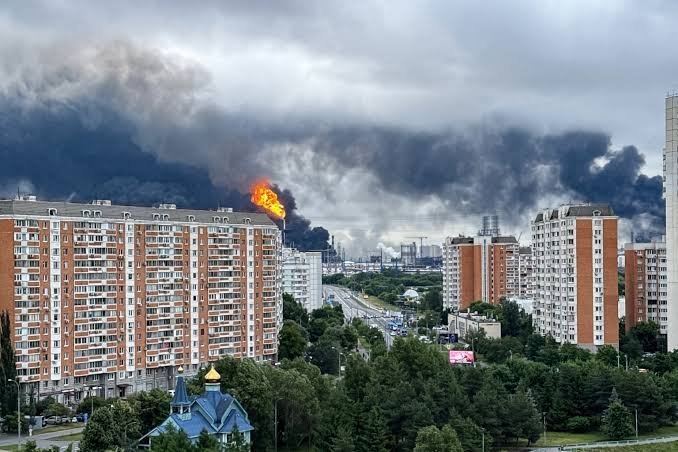
Infrastructure Under Siege: Persistent Ukrainian drone campaigns have targeted more than 40 oil and gas facilities since May 2026, forcing nearly half of Russia’s refining capacity offline by the end of August, according to the Centre for Research on Energy and Clean Air (CREA).
-
External Regulatory Pressures: Compounding Moscow’s domestic infrastructure challenges, the US House has advanced a bill aimed at curbing Russia’s energy exports by threatening tariff sanctions against major buyers like India.
While the volume of gasoline flowing back from India to Russia remains small relative to Moscow’s vast domestic market, these shifting currents expose vulnerabilities in Russia’s energy sector and signal a potential turning point in how energy is traded between New Delhi and Moscow.
