

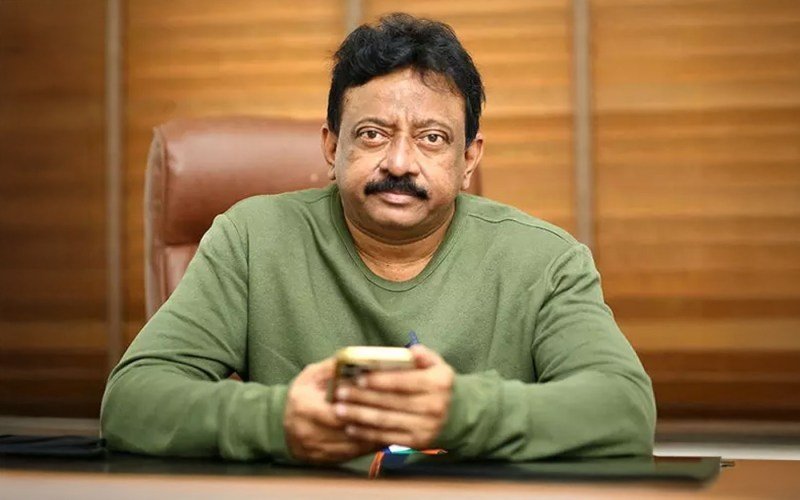
In a detailed conversation with crime writer Hussain Zaidi on April 17, 2026, filmmaker Ram Gopal Varma (RGV) decoded the brutal logic used by the Mumbai underworld during its peak influence over Bollywood in the 1990s.
RGV, whose cinematic career was defined by realistic gangster epics like Satya and Company, explained that the high-profile attacks on figures like Rakesh Roshan and Gulshan Kumar were part of a calculated psychological tactic: “Kill one, extort money from ten.”
The Anatomy of Fear: “Calculated Dominance”
RGV noted that the underworld’s actions were never random. Instead, they were designed to establish a hierarchy of power where the syndicates held the ultimate veto.
-
Targeting the “Untouchables”: Gangsters intentionally targeted A-list stars and powerful producers because they were seen as “larger-than-life.” If a figure like Rakesh Roshan could be touched, it sent a message that no one was safe.
-
The Goal of Control: While money was a motive, RGV emphasized that control over the industry’s mechanics—specifically casting and actor dates—was the true prize.
-
Creating “Examples”: By inflicting violence on those who resisted, gangsters created a cautionary tale that coerced ten other industry leaders into compliance without the need for further violence.
Specific Targets and Retaliation
Rakesh Roshan (January 2000)
The attack on Rakesh Roshan occurred shortly after the massive success of Kaho Naa… Pyaar Hai.
-
The Conflict: Gangsters (allegedly linked to Chhota Shakeel) demanded a share of the international distribution rights and sought to control Hrithik Roshan’s future filming dates.
-
The Stand: Rakesh Roshan refused to yield to the pressure.
-
The Incident: On January 21, 2000, he was shot outside his office. He survived, but the event remains a stark reminder of the era’s volatility.
Gulshan Kumar (August 1997)
The murder of T-Series founder Gulshan Kumar was a watershed moment for the industry.
-
The Defiance: RGV stated that Gulshan Kumar was “not easily intimidated” and had resisted systemic extortion demands.
-
The Reputation Trap: Figures like Abu Salem reportedly saw the murder of such a successful and influential businessman as a way to “build their brand” and reputation within the criminal underworld.
The Underworld’s “Silent” Partnership
RGV highlighted how deeply the industry was entangled with crime syndicates during the 90s:
-
Financing: Many films were allegedly funded by underworld networks, as noted by former police officials.
-
Casting Coercion: Decisions on who appeared in a film were often dictated by phone calls from the Middle East rather than creative merit.
-
Creative Influence: RGV admitted that many of his own stories were born from witnessing this dark synergy between cinema and the streets first-hand.
Note: This discussion surfaced as RGV recently offered his first criticism of Aditya Dhar’s Dhurandhar 2, expressing disagreement with how a specific underworld-inspired character was portrayed in the film.
