

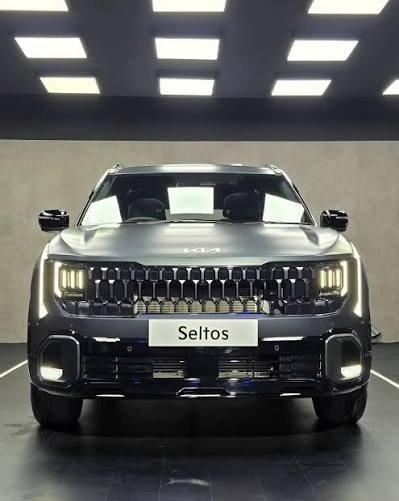
Close on the heels of major structural shifts in the sub-4 metre market, Kia India has executed an aggressive product intervention in the hyper-competitive mid-size SUV segment. On July 1, 2026, the automaker officially launched its new flagship trims—the GTX (O) and X-Line (O)—with prices starting at ₹21.56 lakh (ex-showroom).
By replacing the outgoing GTX (A) and X-Line (A) variants, Kia isn’t just shuffling names; they are executing a deliberate margin-expansion strategy. This move repositions the Seltos as a technology-first flagship, directly targeting the tech-forward premium buyer.
1. The Realignment: Trading Up for Higher Average Selling Prices (ASP)
Automotive profitability hinges closely on shifting the variant mix toward the top tier. Look at how Kia has structurally reset the ceiling of the Seltos lineup:
By discontinuing the older automatic flagships and pricing the new (O) variants at a ₹2.05 lakh premium, Kia is pulling off a textbook premiumization maneuver. While the entry price remains a competitive hook at ₹10.99 lakh to capture footfalls, the top-end realignment ensures that highly profitable consumer upgrades flow straight to the bottom line, helping insulate corporate operating margins from rising input costs.
2. ADAS F+: The Tech Moat
The cornerstone of this ₹2 lakh premium is the debut of ADAS F+, a significantly expanded Level 2 autonomous tech suite that elevates the Seltos from 17 features to 28 advanced driver assistance functions.
Instead of basic highway alerts, the updated system integrates advanced logic designed specifically for chaotic Indian driving conditions:
-
Junction-Crossing Collision Avoidance: Scans perpendicular traffic at intersections, actively applying brakes if a cross-turning vehicle enters the path.
-
Lane-Change (Side and Oncoming) Protection: Prevents side-swipes during high-speed highway lane changes by monitoring blind spots and oncoming traffic simultaneously.
-
Evasive Steering Assist: Actively aids the driver in maneuvering around sudden obstacles when braking alone cannot prevent an impact.
3. Stocking the Feature Armory
To cement the value proposition of a ₹21.5+ lakh mid-size SUV, Kia has bundled several high-margin, factory-fitted premium features that were previously left to the aftermarket:
-
Dual-Camera Dashcam: Fully integrated front and rear cameras controllable via a mobile app. This addresses a massive post-purchase safety demand in India.
-
Windshield-Projected HUD: A true heads-up display that projects navigation and speed directly onto the glass, reducing driver distraction.
-
Kia Connect 2.0: An updated digital architecture supporting voice commands in multiple regional Indian languages and utilizing an updated Digital Key ecosystem.
The Analytical View: Defending the Turf
The mid-size SUV sandbox is facing an unprecedented influx of fresh competition. The Seltos is concurrently battling everything from established market leaders like the Hyundai Creta and Maruti Suzuki Grand Vitara to incoming heavyweights like the Tata Sierra EV and the reborn Renault Duster.
By aggressively raising the technological ceiling, Kia is widening its protective moat. Investors should note that while Maruti Suzuki is focusing on volume-heavy, cost-efficient turbo and CNG solutions at the lower end of the spectrum, Kia is comfortably capturing the high-margin, tech-driven top end. For Kia India, this top-end refresh is a highly calculated gambit to ensure that even if volume growth stabilizes, profitability per unit sold marches steadily upward.
