

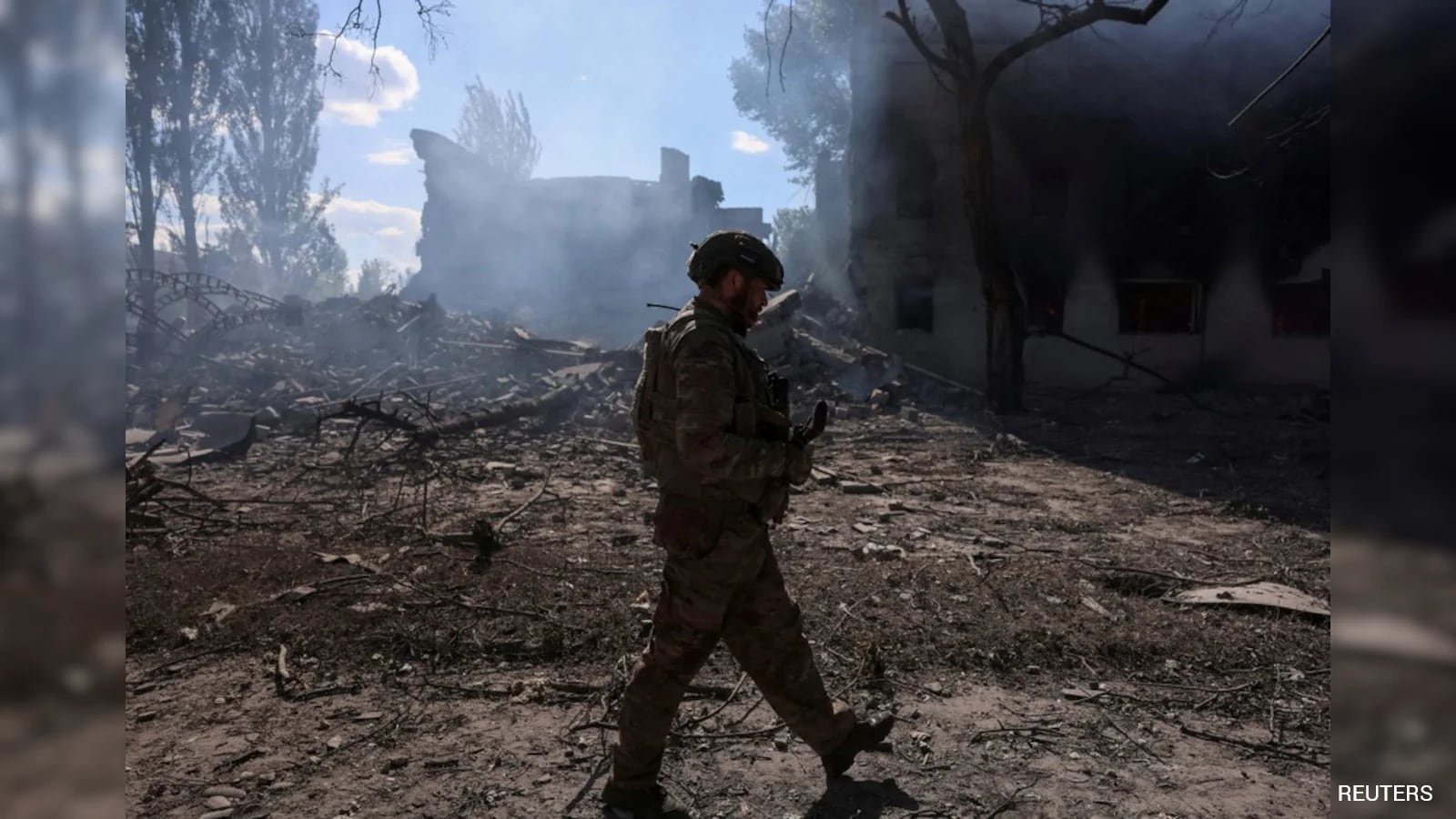
Russian military forces and prison guards have systematically employed sexual violence and torture as a cheap, deliberate “weapon of war” to break Ukrainian soldiers and civilians psychologically, according to an investigation by The Wall Street Journal based on survivor testimony, Ukrainian prosecutors, and United Nations investigators.
While conflict-related sexual violence historically targets female populations, the demographics of reported cases in the Ukrainian war shifted as the conflict settled into a long-term war of attrition. UN investigators have documented roughly 310 cases of alleged conflict-related sexual violence by Russian forces since the 2022 invasion—where 280 victims were male, 26 were female, and four were young girls.
Survivor Testimony and Specific Methods of Abuse
Former detainees released during prisoner exchanges described widespread physical and psychological torture across multiple Russian detention centers:
-
Systematic Rape and Assault: Serhii Boychuk, a 33-year-old Ukrainian soldier held captive for over two years until October 2024, recounted being repeatedly beaten, raped with objects like bottles and sticks, and threatened at knife-point.
-
Genital Electrocution: Survivors described guards attaching wires from old field military telephones directly to their genitals—a widespread practice prison guards routinely referred to as a “call to Putin”.
-
Forced Degradation and Threats: Prisoners reported being forced to parade naked, receiving severe beatings to their lower body, and facing threats of permanent bodily mutilation meant to prevent them from having children.
“They are using sexualized abuse as a weapon of war to humiliate and break the person,” noted Boychuk.
Command Knowledge and Scale of Evidence
Legal experts and investigators emphasize that the uniform nature of the abuse across at least nine separate camps in Russia suggests top-down encouragement or tolerance rather than isolated incidents by rogue soldiers.
former international war crimes prosecutors told The Wall Street Journal that the consistent patterns mean commanders could not reasonably claim ignorance of the torture occurring in their facilities. Former Russian prison personnel also cited directives indicating there were “no restrictions” on violence against Ukrainian detainees.
Documented Cases and Reporting Challenges
| Category | UN Documented Incidents | Ukrainian Prosecutor Office Cases |
| Total Cases Under Investigation | ~310 cases | ~400 cases |
| Identified Male Victims | 280 men | 148 men |
| Female / Minor Victims | 26 women, 4 girls | Remainder of docket |
Ukrainian prosecutors note that the documented numbers represent only a fraction of actual occurrences. Persistent social stigma around sexual violence—especially among male victims—along with Russia’s refusal to grant UN monitors access to occupied regions or internal detention centers, conceals the true extent of these war crimes.
Moscow has consistently denied allegations of sexual abuse or war crimes, dismissing the claims as politically motivated, while continuing to block access for independent international observers.
