

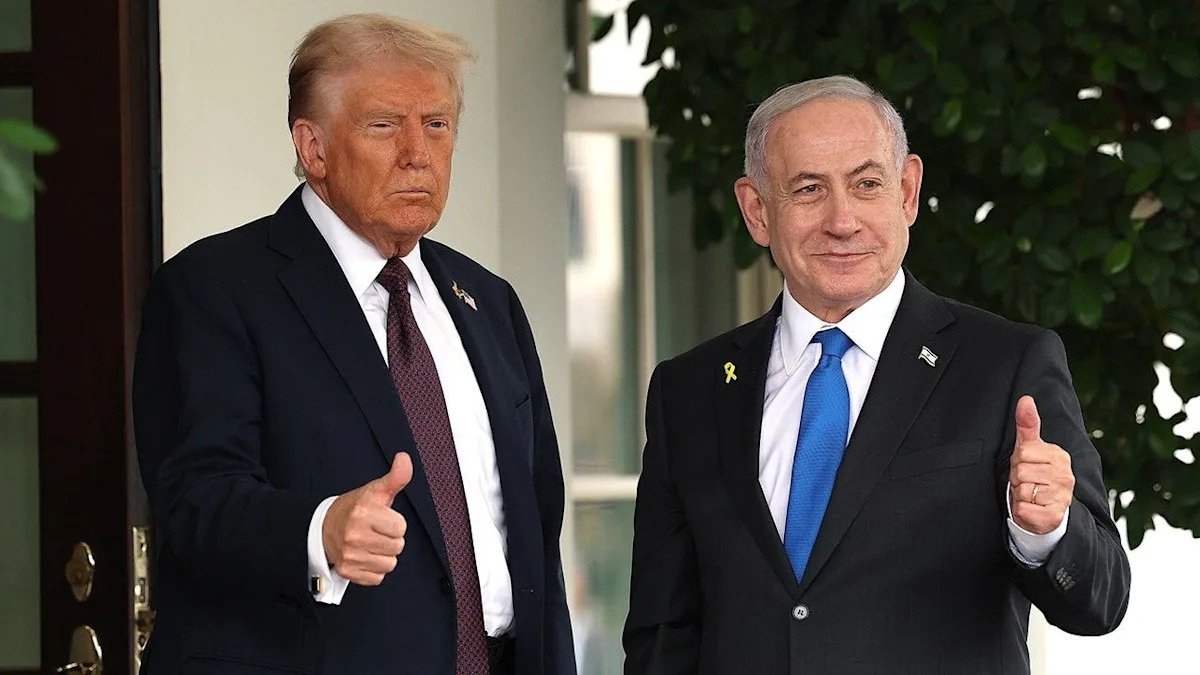
This developing story highlights a major geopolitical pivot, revealing how quickly domestic political pressures can shift wartime alliances. The reported friction between Donald Trump and Benjamin Netanyahu stems from a fundamental conflict between short-term economic stabilization and long-term regional military objectives.
Here is a breakdown of why this divide has opened up and what each leader is trying to achieve.
The Strategic Divide
While the US and Israel entered the conflict with Iran in February in lockstep, their desired end games have radically diverged.
1. Donald Trump’s Motivations
-
The Looming Midterms: With the US congressional elections coming up in November, the Trump administration is under immense domestic pressure.
-
The Energy Crunch: The war—and Iran’s tightening chokehold on the Strait of Hormuz—has caused global oil prices to skyrocket. The economic fallout has forced organizations like the World Bank to slash global growth forecasts. Trump needs to tame petrol prices immediately to protect his party at the polls.
-
The “Venezuela Model”: Trump is looking for a swift, high-leverage diplomatic settlement (a “very strong memorandum of understanding”) rather than getting dragged into an endless Middle Eastern quagmire.
2. Benjamin Netanyahu’s Motivations
-
Domestic Survival: Netanyahu faces his own elections later this year and is dealing with a deeply frustrated Israeli public. Polls show that only 37% of Israelis are satisfied with the war’s results so far.
-
Unfinished Objectives: Despite over two years of constant regional unrest following the October 7, 2023 attacks, Hamas still holds territory in Gaza, Hezbollah continues its rocket fire from Lebanon, and Iran’s nuclear core remains intact. For Netanyahu, stopping now without achieving “total victory” is a major political risk.
Dynamics of the Fallout
The abrupt nature of Trump’s announcement via Truth Social exposes just how strained the personal and diplomatic relationship has become.
-
The Surprise Element: Despite Trump claiming the draft deal was approved by all regional parties—including Israel—Tel Aviv was completely blindsided. Netanyahu’s office was forced to issue a rapid clarification stating that Israel “is not a party to the memorandum of understanding.”
-
Behind-the-Scenes Anger: The public facade of their friendship has cracked. Reports of highly volatile, expletive-laden phone calls show Trump’s growing frustration with Netanyahu’s defiance—particularly after Israel ordered unilateral strikes last week that disrupted US diplomatic maneuvering.
-
The Leverage Play: Trump has heavily protected Netanyahu in his second term by ignoring Democratic arms holds and reversing settler sanctions. Now, Trump is using that political capital as leverage, explicitly reminding Netanyahu of the domestic and legal protection the US has provided him.
What’s Next for the Deal?
While Trump is pushing for a formal signing in Europe over the weekend, the agreement is far from finalized. Iran’s Foreign Ministry has already noted that they “have not reached a final conclusion,” viewing Trump’s announcement more as a sign of US eagerness to exit the conflict than a completed treaty.
Netanyahu is left in a tightening vice: defy a volatile US president who is actively trying to shut down the theater, or accept a ceasefire that the majority of the Israeli electorate views as an incomplete failure.
