

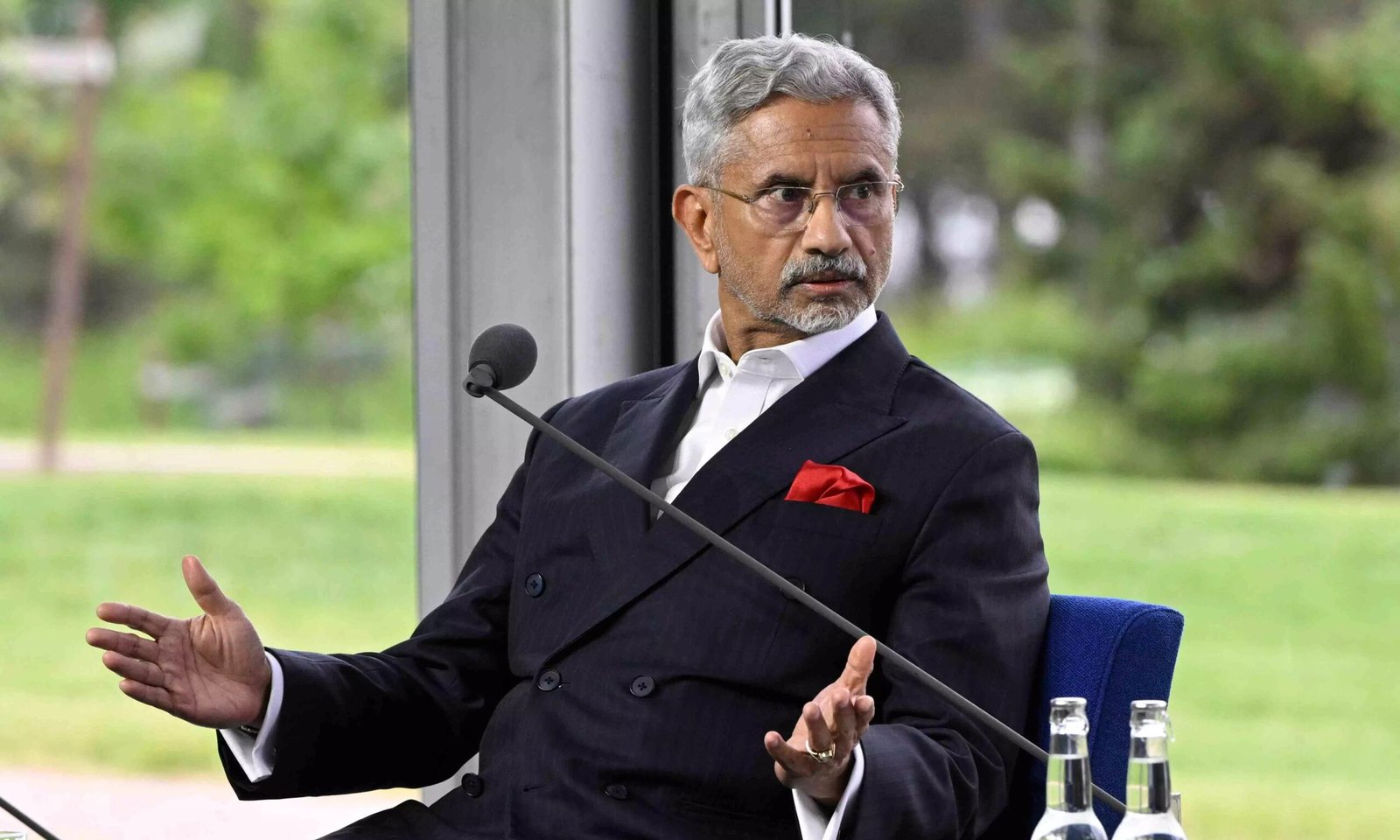
External Affairs Minister S. Jaishankar’s remarks at the Kultaranta Talks in Finland cut right through the usual diplomatic fluff. By calling out the “sanctimony” and transactional nature of Western foreign policy, he highlighted the complex, often contradictory realities of global energy geopolitics.
Here is an analysis of the key points from his address and why India’s stance on Russian oil remains unwavering.
The Core Argument: Market Realities vs. Western Sanctimony
Jaishankar’s critique exposes a fundamental flip-flop in the US approach to global trade and sanctions, framing it as a policy driven by pure convenience: “Do it when suits them, don’t when it doesn’t.”
[2022: Ukraine Conflict Begins] ──► US asks India to buy Russian oil to stabilize global markets.
[2025: Trade Friction]        ──► Trump administration imposes 25% oil-linked tariff penalties.
[2026: Iran Conflict Erupts]  ──► US waives sanctions on Russian crude to prevent an energy crash.
1. The Blatant Shift in the US Stance
As the timeline shows, Washington’s rules shift depending on its immediate economic anxieties. When the war with Iran broke out earlier this year, threatening the vital Strait of Hormuz shipping lanes, the US quickly issued waivers for Russian crude to safeguard “energy-vulnerable” nations. Jaishankar’s point is clear: the US uses sanctions and tariffs as temporary economic valves, not as unyielding moral principles.
2. The Domino Effect of European Buying
When European nations abruptly cut off Russian pipelines in 2022, they didn’t stop consuming energy—they simply outbid developing nations for Middle Eastern oil.
“At that point of time, much of the oil available in the market was from Russia because Europeans were essentially buying up the Middle East oil, which was our traditional supplier.” — S. Jaishankar
By aggressively swooping into the Middle East, Europe forced India’s hand. New Delhi pivoted to Russian crude not out of ideological sympathy, but out of absolute necessity to fuel an economy of 1.4 billion people.
The Geopolitical Double Standards
Jaishankar also took aim at the historical and moral ambiguity of European nations, specifically addressing the criticism that India is “too sympathetic” to Moscow.
-
Commercial Pragmatism: India has maintained a completely consistent policy line. Whether the US is enforcing strict penalties (like last year’s 25% tariff) or offering frantic conflict-driven waivers, India buys energy based strictly on cost and availability.
-
The Weapon Supply Mirror: In a sharp comeback regarding regional security, Jaishankar flipped the script on European criticism by highlighting arms sales:
“No European country has been attacked with Indian weapons. I wish I could say that for Europe weapons vis-à-vis India.”
A Surprising Ally in Helsinki
Interestingly, India’s pragmatic approach found unexpected backing right there in Finland. Finnish Foreign Minister Elina Valtonen actively defended India’s actions during the panel, reminding the audience of the original intent behind Western policies:
“Let us remind ourselves. When we introduced the oil price cap, we did not prohibit the world from buying Russian oil. In India’s defence, it has bought oil under the price cap. That was the intention.”
By operating within the G7 price cap mechanism, India effectively accomplished two things at once: it kept global oil prices from spiking into hyperinflation while securing its own domestic energy grid.
