

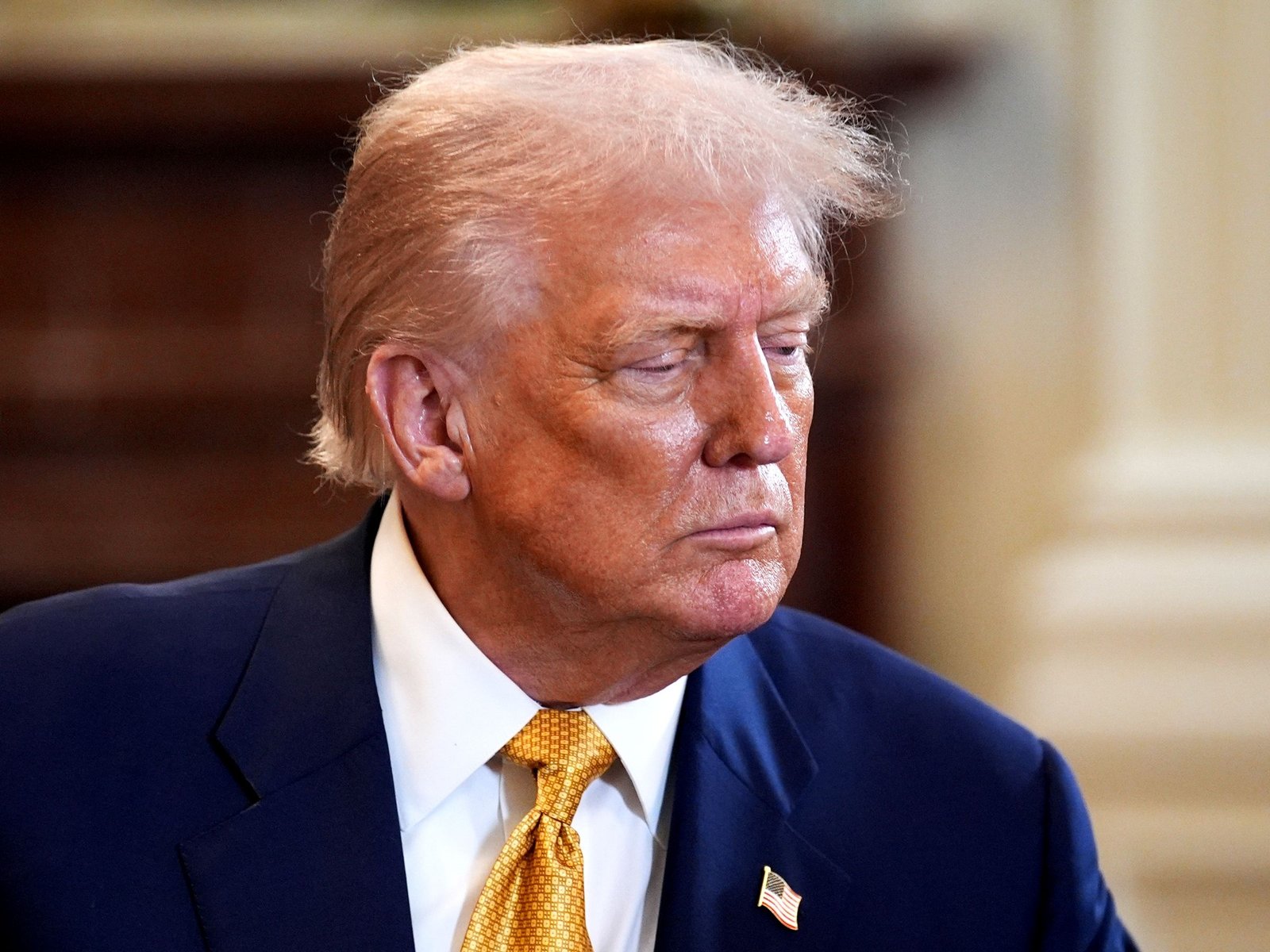
As of April 1, 2026, a significant strategic rift has emerged between Washington and Jerusalem regarding the endgame of the month-long war in Iran. While the conflict has already fundamentally altered the Middle East, the two allies now appear to be pursuing divergent objectives.
The U.S. Position: “Two to Three Weeks”
President Donald Trump signaled a major shift on Tuesday, suggesting that the United States is prepared to wind down Operation Epic Fury—the U.S. military campaign launched on February 28—even without a formal diplomatic agreement.
-
Timeline for Exit: Trump stated that U.S. military strikes could conclude within two to three weeks.
-
No Deal Required: Contrary to earlier demands for a 15-point ceasefire framework, Trump clarified that a signed deal with Tehran is not a prerequisite for withdrawal, stating, “They don’t have to make a deal with me.“
-
Strait of Hormuz: In a notable pivot, Trump suggested that the burden of securing the Strait of Hormuz—through which 20% of global oil flows—should fall on the nations that rely on it. He recently told European allies to “go get your own oil,” expressing frustration over a lack of international military support.
Israel’s Stance: “Operation Roaring Lion”
In contrast, Prime Minister Benjamin Netanyahu used a pre-Passover televised address to reaffirm Israel’s commitment to the total dismantling of the Iranian government.
-
Uncompromising Momentum: Netanyahu declared that Israel would continue to “crush Iran’s terror regime,” asserting that the campaign—dubbed Operation Roaring Lion—is not over.
-
Regional Power: He claimed the war has successfully “changed the face of the Middle East,” positioning Israel as a dominant regional power capable of acting independently to remove existential threats.
Diplomatic Friction and the “Easy War” Narrative
Reports indicate growing internal tension within the Trump administration regarding the origins of the conflict:
-
The Vance-Netanyahu Clash: Vice President JD Vance reportedly held a tense phone call with Netanyahu last week. Sources via Axios suggest Vance rebuked the Prime Minister, accusing him of “selling” Trump on the idea that the war would be an “easy” path to certain regime change.
-
Vance as Negotiator: Vance has emerged as a key figure in ceasefire talks, with some U.S. officials viewing him as the “best option” for reaching a deal with Tehran, despite Israeli skepticism.
The View from Tehran
Iranian President Masoud Pezeshkian has expressed a “necessary will” to end the hostilities. However, he emphasized that Tehran requires ironclad guarantees against future “repeated aggression” before any cessation of its own retaliatory measures, which have recently targeted shipping in the Gulf and tech firms allegedly complicit in U.S.-Israeli strikes.
Note on the Conflict: The war began on February 28, 2026, with coordinated strikes that resulted in the death of Iran’s Supreme Leader, Ayatollah Ali Khamenei. Since then, global energy prices have surged, with premium petrol in India reaching Rs 160 per litre as of today.
